
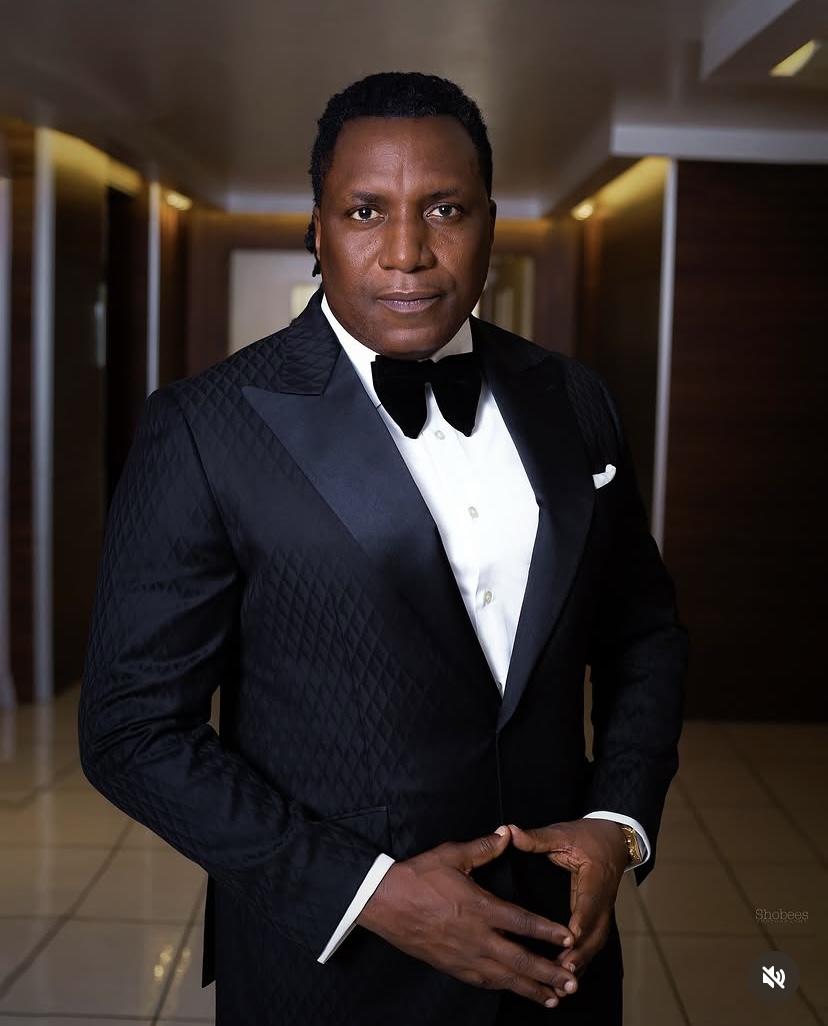





X3M Media CEO Steve Babaeko has urged brands, agencies and policymakers to move beyond superficial cultural references and build marketing strategies rooted in authentic African experiences, warning that the continent risks losing the economic value of its heritage if its custodians are excluded.
Speaking at the 2026 annual summit of the Edge Awards, themed Cultural Heritage & Modern Marketing: Building Brands That Solve Local Problems, Babaeko challenged marketers to rethink how they use culture, describing it as a valuable currency that must be protected, nurtured and fairly rewarded.
Reflecting on his early years as a copywriter, Babaeko recalled a time when advertising professionals considered work that looked “international” the highest standard of achievement. He said agencies often used foreign-looking models, scripts that sounded imported and locations designed to resemble other cities.
“We were talented people. We were working very hard. But we were doing something that we didn’t even know we were doing. We were simply erasing ourselves,” he said.
According to him, the global rise of Afrobeats, Nollywood and African fashion demonstrates that international recognition has come not from imitating other cultures, but from embracing local identity.
“The world did not come to us because we finally looked international. The world came to us because we finally sounded like ourselves,” he said.
However, Babaeko warned that the growing use of African cultural elements in advertising could become counterproductive when brands rely on familiar symbols without understanding their meaning.
He described campaigns that simply add talking drums, Ankara outfits and popular phrases as “costume”, arguing that audiences, particularly young people, can quickly recognise when a brand’s cultural expression lacks authenticity.
ALSO WATCH MARKETING EDGE ONTV
“Authenticity is not texture, it is truth,” he said, explaining that marketers must focus on the real experiences and problems beneath cultural symbols rather than treating heritage as decoration.
Babaeko also raised concerns about cultural inflation, warning that repeatedly using the same symbols and expressions can strip them of meaning. He urged agencies to invest in deeper research and explore Nigeria’s diverse communities, languages and traditions.
He further cautioned that international businesses could capture the value of African heritage while the communities that preserve it remain economically excluded.
“If the custodians of our heritage stay poor while everybody else profits from it, that heritage will die,” he said.
To address this, he called for partnerships that credit and compensate cultural custodians, stronger government protection for traditional knowledge, greater investment in African marketing research and collaboration to ensure African stories and languages are properly represented in artificial intelligence systems.
He also urged agencies to leave their boardrooms and engage directly with communities, saying: “Culture is not something you Google. It is something you live and listen to.”
Babaeko concluded by challenging marketers to examine whether their campaigns reflect genuine cultural understanding, offer something beyond familiar symbols and ensure that the people who sustain the heritage share in the value it creates.
“Our heritage is not a relic in a museum. It is capital. It is alive,” he said.



Comment
No comments found.