



Charles Ebuebu, Director-General, National Broadcasting Commission (NBC), has said broadcast digitisation will only have succeeded when Nigerian broadcasters can demonstrate the audience they reach, verify the advertising they deliver and use credible evidence to attract investment.
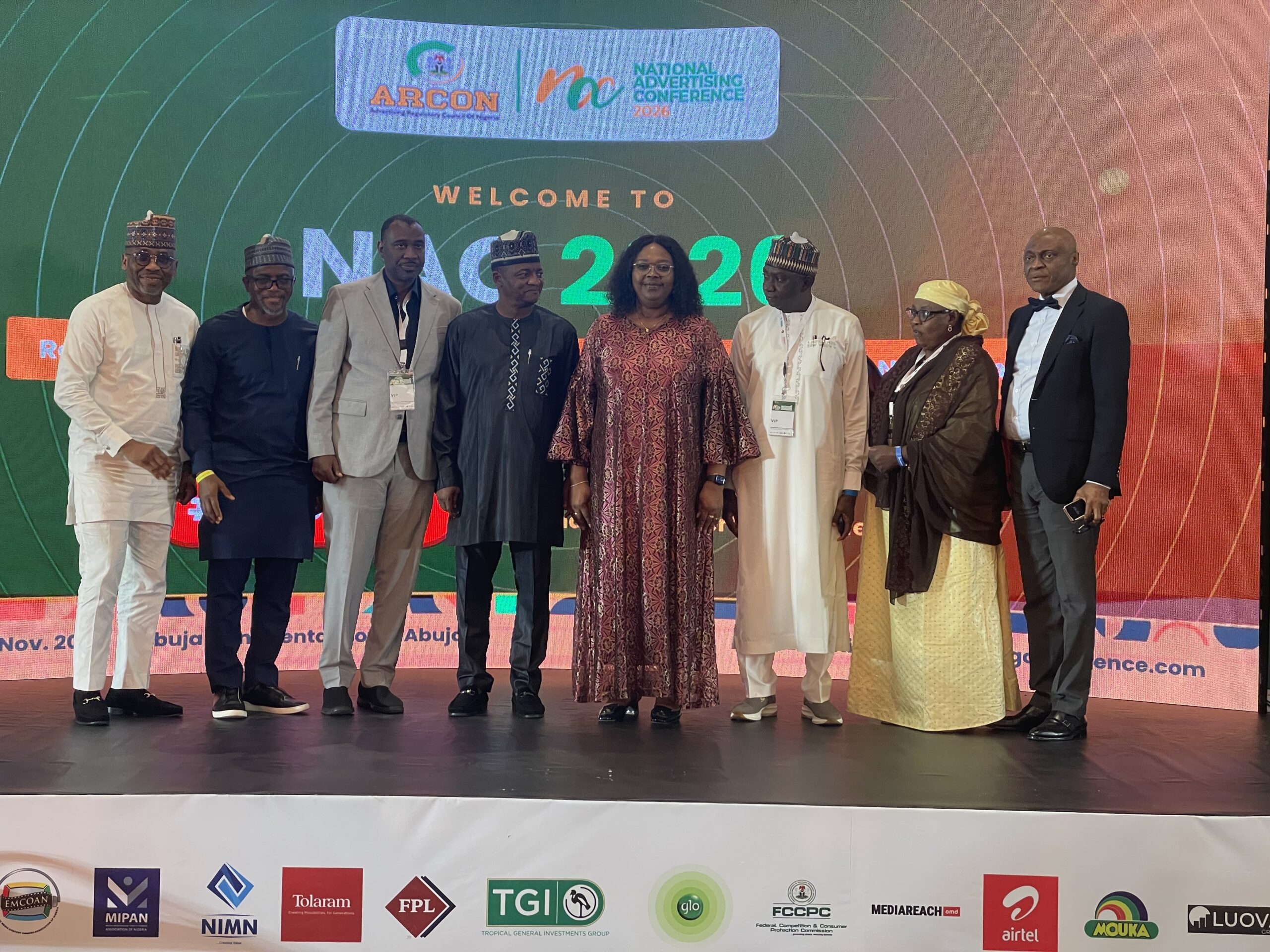
Ebuebu said this while delivering a goodwill message at the National Advertising Conference NAC 2026, titled “From Reach to Results: How Broadcast Digitisation Can Unlock the Next Frontier of Nigeria’s Advertising Market.”
He commended the conference organising committee for bringing together leaders whose decisions will shape the future of Nigeria’s media and marketing communications industry, and described the theme as timely.
According to him, “Digitisation must deliver more than clearer pictures, wider signal distribution or new devices. It must help broadcasters demonstrate audience value, strengthen advertiser confidence and attract investment in quality Nigerian content.”
The NBC boss noted that Nigeria’s media environment spans terrestrial and satellite broadcasting, IPTV, streaming platforms, broadcaster applications, connected television and mobile video, and that these are complementary layers in a national system.
He said geography and uneven broadband access mean the transition must not shut out rural communities or households with limited connectivity.
“A hybrid approach is essential to inclusion and national reach,” he stated.
On audience data, Ebuebu said digital transmission alone does not give the market what it needs. “
Digital transmission alone does not produce reliable audience intelligence. The market needs credible, comparable and independently governed measurement,” he said.
Broadcasters, he added, must show who they reach and when, while advertisers and agencies must be able to plan, verify and evaluate campaigns against transparent standards. The framework, he said, must reflect Nigeria’s regional, linguistic and demographic diversity. “Technology supplies data; sound methodology and independent assurance give it value.”
He said the Commission will help create the enabling conditions for the transformation through “predictable and proportionate regulation that supports innovation while protecting audiences, children, privacy, fair competition and broadcast standards.”
That, he said, calls for coordination with BON, the Advertising Regulatory Council of Nigeria (ARCON), the Nigerian Communications Commission (NCC), data protection authorities and the wider industry. “No single institution can build this market alone,” he said.
Ebuebu also set out what he expects from each group of stakeholders. Broadcasters, he said, should strengthen their content and operational data. Advertisers and agencies should support common measurement standards and recognise credible local media. Technology partners should develop secure, interoperable solutions for operators of every size. All of them, he said, must collaborate transparently and respect their institutional responsibilities.
He framed the measure of progress as a question.
“The test is straightforward: can a Nigerian broadcaster demonstrate the audience it reaches, verify the advertising it delivers and use credible evidence to attract investment in content and services?” he asked. “When that becomes possible across platforms and the country, digitisation will have moved from reach to results.”
The NBC, he said, remains committed to working with the industry towards that objective.




Comment
No comments found.