
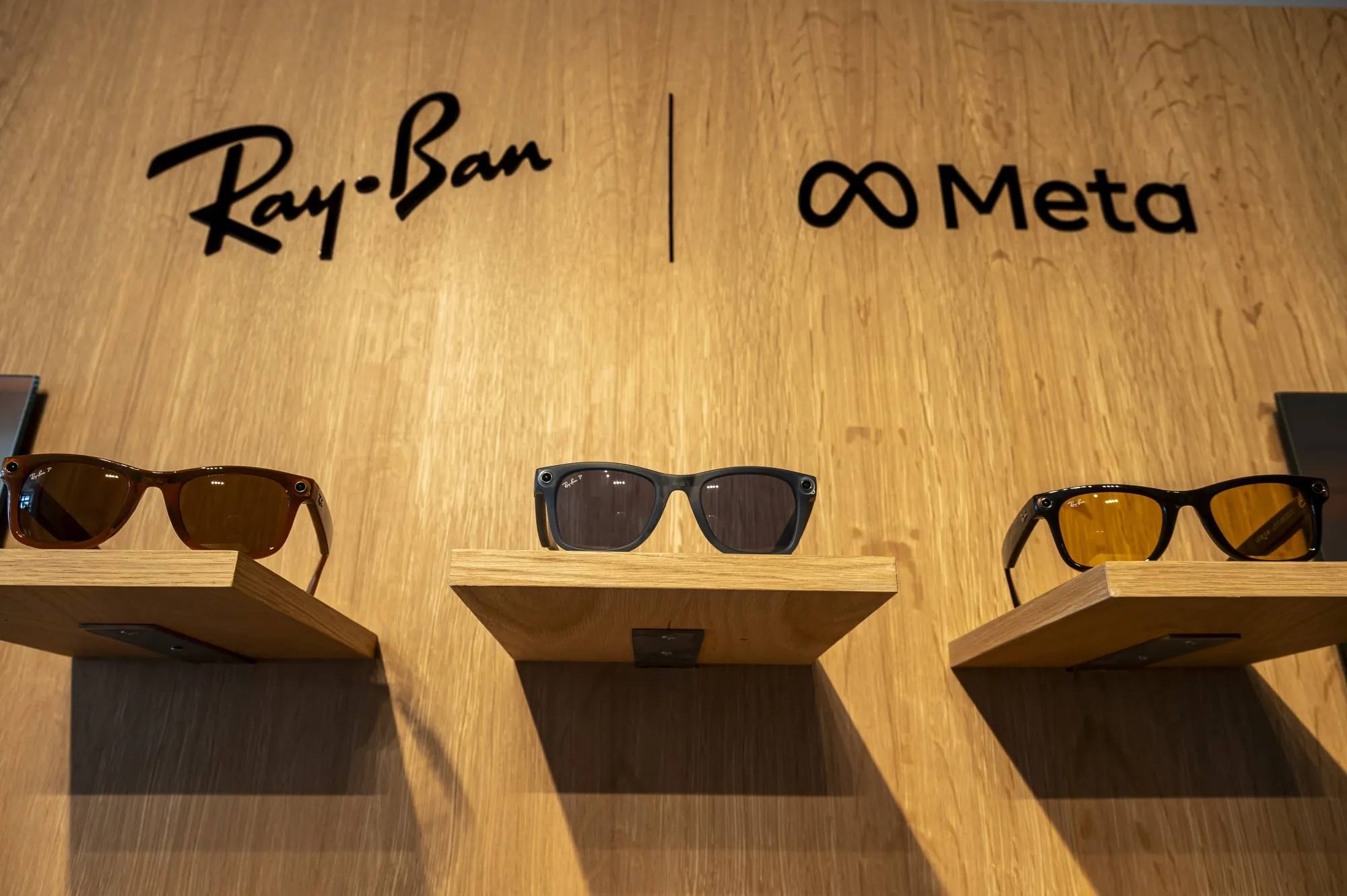


Most product launch disasters happen because nobody wants the product. Meta’s Ray-Ban Display glasses have the opposite problem.
When Meta and EssilorLuxottica launched the Ray-Ban Display smart glasses in the United States in autumn 2025 at $799, the response was immediate and overwhelming. Waitlists stretched well into 2026. Demand outpaced supply so dramatically that Meta was forced to pause its planned international rollout, shelving early 2026 launches across the United Kingdom, France, Italy and Canada to focus entirely on fulfilling American orders it could not fill quickly enough.
In a blog post shared at CES 2026, Meta confirmed the delay without setting new target dates for international markets. “Since launching last fall, we’ve seen an overwhelming amount of interest, and as a result, product waitlists now extend well into 2026,” the company said. “Because of this unprecedented demand and limited inventory, we’ve decided to pause our planned international expansion.”
The product itself is genuinely impressive. The Ray-Ban Display glasses integrate a micro-display, an AI assistant powered by Meta’s new Muse Spark model, camera capabilities, and gesture-based controls through a wrist-worn Neural Band, all in a design that resembles conventional sunglasses rather than the clunky headsets that have historically made wearable technology a hard sell to mainstream consumers. New features unveiled at CES 2026 include a teleprompter mode for reading prepared remarks and expanded pedestrian navigation support across multiple U.S. cities. The glasses are not a niche device for early adopters. They are a consumer product, and consumers want them.
Europe, however, faces an additional hurdle beyond supply. Bloomberg reported in March 2026 that Meta’s EU rollout has been hampered not only by inventory constraints but also by battery regulations and artificial intelligence governance rules that the Ray-Ban Display product has yet to satisfy. Meta’s manufacturing partner, EssilorLuxottica, has announced plans to increase production capacity, but regulatory approval timelines do not move at the same pace as consumer demand.
The story is a masterclass in a problem that most product marketing teams do not plan for: not failure, but success on a scale the organisation was not built to handle. Meta underestimated demand for a product it spent years developing, and the consequence is a global consumer audience that wants the product, cannot get it, and is watching competitors prepare to enter the same market.
For Nigerian marketing and brand professionals, the Ray-Ban Display offers a lesson that extends far beyond consumer electronics. Demand generation and supply readiness are two sides of the same brief. A campaign that works too well, creating demand the organisation cannot immediately fulfil, does not just leave money on the table. It leaves consumers with an opportunity to look elsewhere.
Meta succeeded in making people want the product. It simply could not make enough of it.
ALSO WATCH: MARKETING EDGE ONTV




Comment
No comments found.