
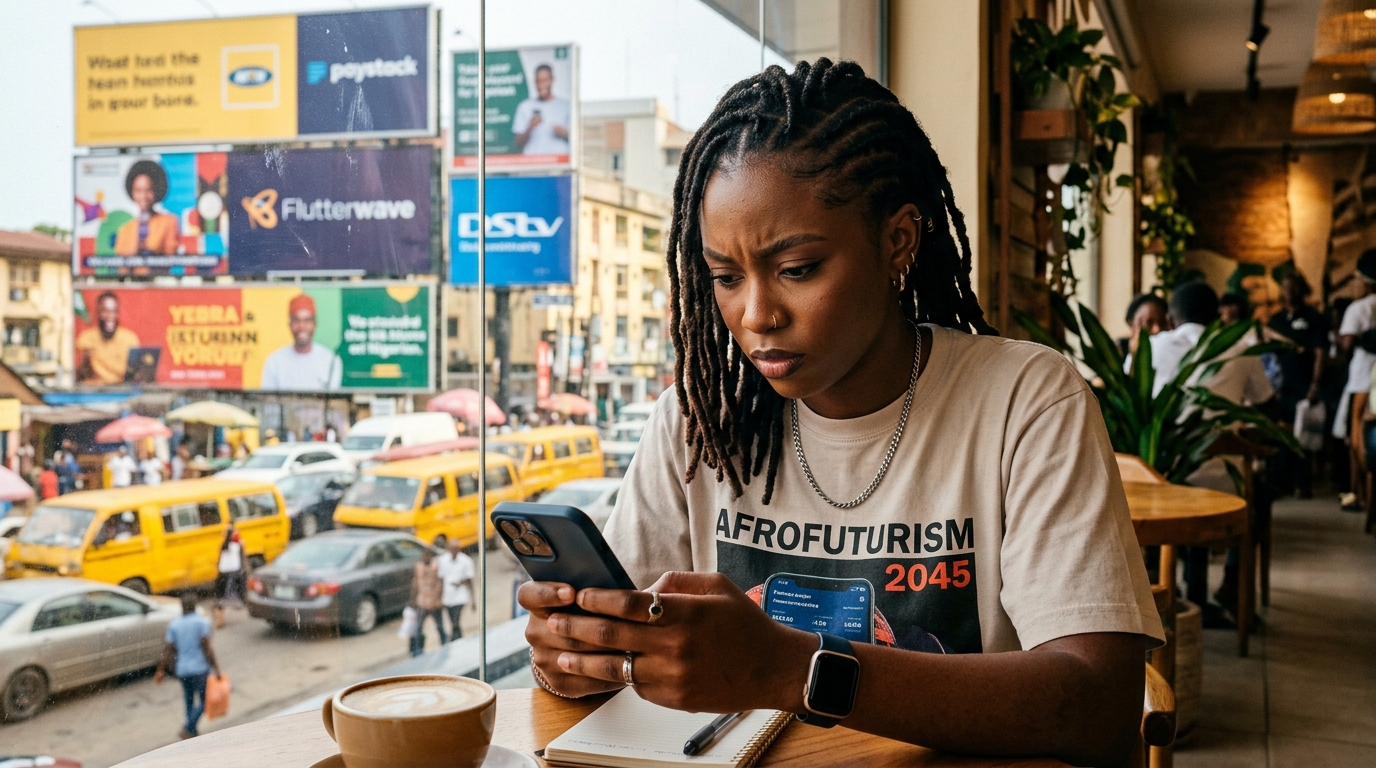


The myth that Gen Z has a short attention span is one of the most expensive lies in modern marketing. It has convinced brands to chop their ads into six-second clips, flood feeds with disposable content, and chase trends they do not understand, all in pursuit of a generation that is supposedly too distracted to care.
Here is the truth. Gen Z watched all three hours of a Travis Scott concert film on YouTube. They read 40-page Reddit threads about anime lore. They binge entire seasons of shows overnight. They memorise song lyrics, dissect brand controversies, and build parasocial relationships with creators whose content they have followed for years.
This is not a generation with a short attention span. It is a generation with a zero-tolerance policy for irrelevance.
In Nigeria, where Gen Z accounts for 25.8 per cent of a population of over 238 million people, and where their spending power is growing faster than any brand has fully accounted for, this distinction is not semantic. It is strategic.
Research from X3M Intelligence released in May 2026 found that Nigerian Gen X consumers are not the loud, trend-chasing, influencer-driven demographic that most brand briefs describe. They are curated, intentional, and increasingly sophisticated in their definition of status, self-expression, and social experience. A generation that brands keep trying to reach with noise is quietly building its own culture, and ignoring the brands that do now speak it fluently.
The data backs this up. Nigerian Gen Z is mobile-first, socially fluent across TikTok, Instagram, and YouTube, and deeply influenced by creators they trust rather than celebrities they are told to admire. Sixty-one per cent of Gen Z globally prefer brands that collaborate with creators over celebrity endorsements. In Nigeria, where peer influence and community validation are embedded in how young people make decisions, that number almost certainly runs higher.
But here is what most Nigerian brands are still getting wrong. They are chasing the format rather than earning the relevance. They are making Reels when they should be building relationships. They are paying influencers to post when they should be giving communities something worth talking about.
Gen Z does not scroll past your content because their attention span is broken. They scroll past it because it was not made for them; it was made for a demographic profile in a strategy document that nobody under 25 has ever read.
The brands winning Nigerian Gen Z and Gen Z generally right now understand one thing that the others do not: relevance cannot be engineered through format. It has to be earned through genuine cultural understanding, knowing not just what this generation watches, but what it believes, what it resents, what makes it feel seen.
Stop blaming the audience. Start interrogating the brief.
ALSO WATCH: MARKETING EDGE ONTV



Comment
No comments found.