


Every brand wants to be fast. React to trends in real time. Launch campaigns in 24 hours. Catch moments before anyone else does. Speed is supposed to be the competitive advantage.
But somewhere between the obsession with velocity and the actual work of reaching people, marketing has lost something fundamental: cultural intelligence.
Cultural intelligence requires time, observation, patience, and the willingness to understand a culture from the inside rather than analyse it from the outside. It requires people who live within communities, not just study them. It requires long-term relationships, not transactions.
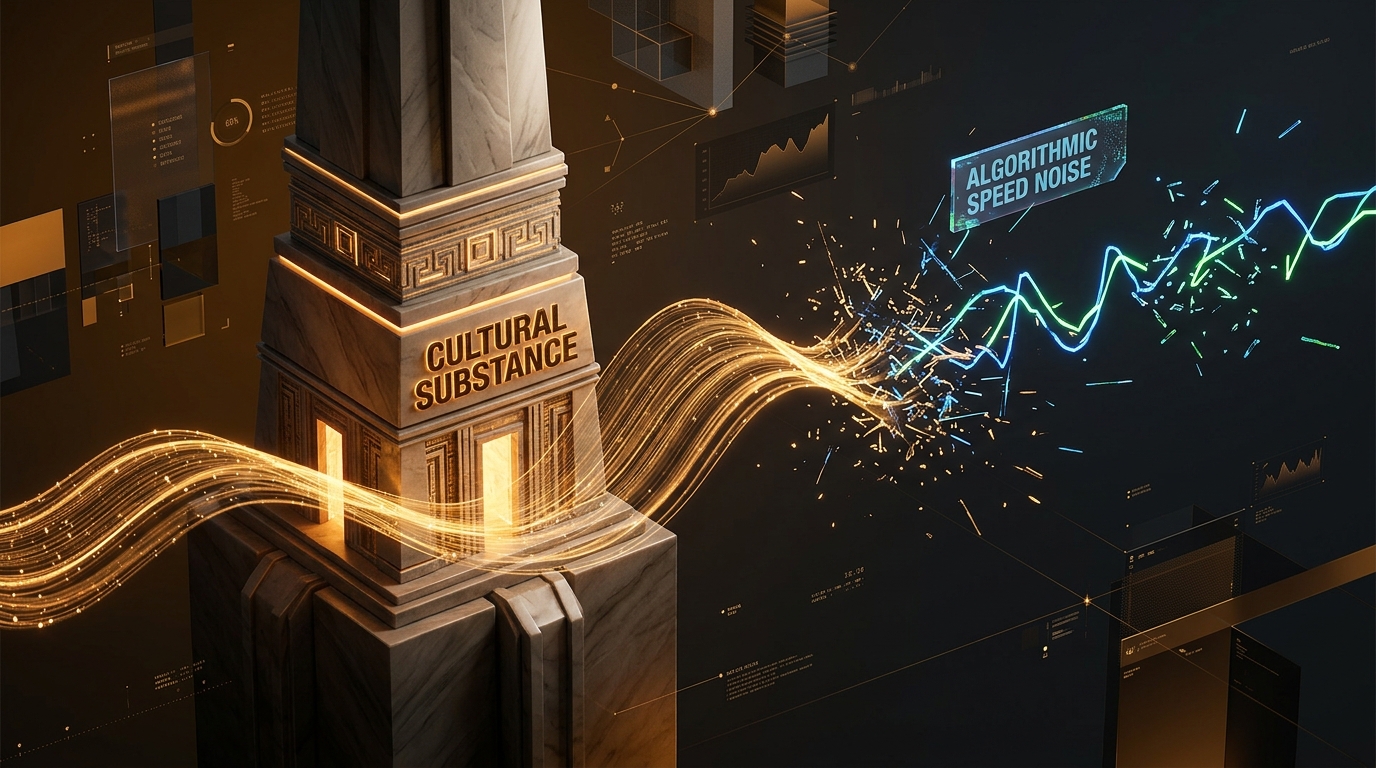
Speed creates noise. It generates campaigns that feel designed by algorithms. It creates brand activations that miss the mark because they are built on data from three months ago rather than insights gained through lived experience. It produces influencer partnerships that fail because the influencer does not genuinely believe in the brand.
Cultural intelligence creates influence. It generates work that feels authentic because it is built by people who genuinely understand the culture. It creates campaigns that endure because they are rooted in something real. It builds brand loyalty because audiences recognise genuine participation rather than performative posturing.
The performative trap
Every brand is performing culture now. Brands that have no business being in hip-hop are launching hip-hop campaigns. Brands with no connection to gaming are creating gaming activations. Brands that have never participated in a community are suddenly acting as though they are part of it.
The problem is not that they are trying. The problem is that they are trying too quickly.
Fast cultural participation reads as performative. Audiences can sense when a brand is genuinely embedded within a culture versus when it is parachuting in for a campaign. The difference is not in the execution. It is in the foundation.
When a brand has spent years building relationships within a community, when it has genuine advocates within that culture, and when its work reflects real understanding rather than external interpretation, campaigns feel authentic.
When a brand spots a trending moment and launches a response within hours, when the campaign is developed by people who do not truly know the community, and when the messaging reflects data analysis rather than lived experience, campaigns feel hollow.
The choice ahead
Real cultural intelligence requires spending time within communities, building relationships with people who possess genuine credibility, understanding the history and context that shape how a community thinks, and being willing to say no to moments that do not align with authentic participation.
None of this is fast. None of it fits neatly into a campaign timeline. None of it generates quarterly metrics that easily justify the investment.
But it is the only way to create work that genuinely influences culture rather than merely riding on top of it.
The marketing industry is at a crossroads. On one side is speed: real-time responses, agile workflows, and rapid deployment. On the other side is cultural intelligence: embedded presence, long-term relationships, and deep understanding.
Most brands want both. They cannot have both simultaneously.
Speed without cultural intelligence creates noise. Campaigns that fade within weeks. Brand moments that people quickly forget. Work that feels designed by algorithms rather than people.
Cultural intelligence, combined with thoughtful execution, creates influence. Work that lasts. Brand loyalty rooted in something real. The kind of participation in culture that genuinely shapes how people think and feel.
The choice is not really between speed and depth. It is between noise and influence. Every brand should know which one it truly wants to create.
ALSO WATCH:MARKETING EDGE ONTV




Comment
No comments found.