
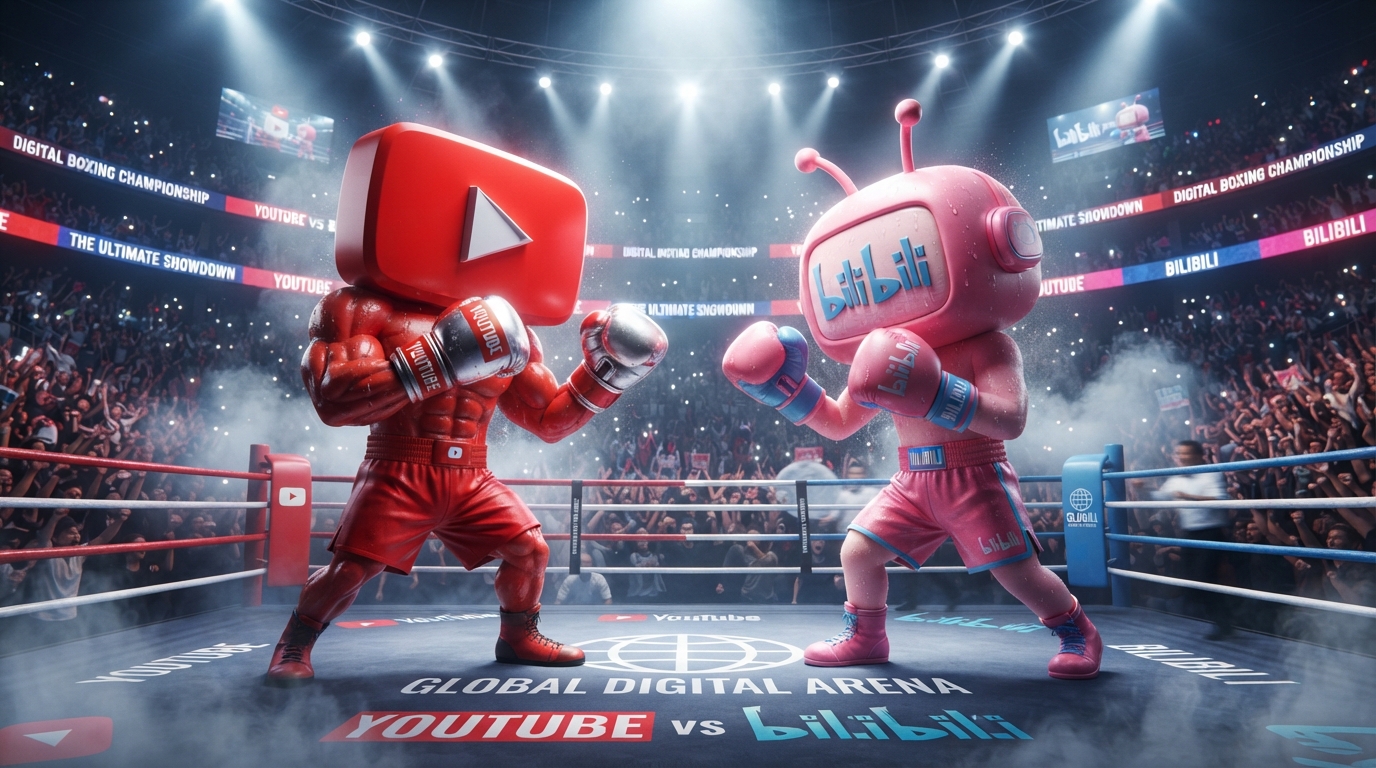


Bilibili, the Chinese video platform built around anime fandom, gaming culture, and the distinct aesthetic sensibilities of Chinese internet youth, is making its most aggressive global push yet. The company has relaunched its international app, removed identity-verification barriers that previously blocked overseas users from full access, and is preparing an English-language website to accompany the expansion. Furthermore, Bilibili is actively recruiting teams in Los Angeles, London, Tokyo, and São Paulo; signalling that this is not a passive international release but a deliberate, resourced campaign to compete for creators and viewers outside China.
The platform already commands significant scale. Bilibili has more than 376 million monthly active users; a number that rivals mid-tier global platforms and dwarfs most regional competitors. Additionally, the company is reportedly courting major international creators and building tools specifically designed for global content production and cross-border sponsorship arrangements.
However, the strategic challenge Bilibili faces is categorically different from the one faced by most platforms attempting international expansion. YouTube succeeded globally in part because it carried no particular cultural identity, it was a canvas, not a community. Bilibili is the opposite. Its brand equity, its interface design, its creator culture, and its most loyal users are all products of a very specific Chinese internet subculture, one built around bullet-point comment systems called danmu, a passionate anime and gaming community, and a tonality that is instantly recognisable to its existing users and entirely opaque to outsiders.
TikTok navigated a version of this tension by stripping its algorithm of cultural specificity; letting local content dominate local feeds regardless of origin. Consequently, TikTok in Nigeria feels different from Seoul. Whether Bilibili can or will make the same architectural concession is the central question its global expansion raises.
Moreover, the risk runs in both directions. Adapting too aggressively for international audiences risks alienating the core community that built the platform’s value. Adapting too little risks building an international product that feels like a foreign cultural artefact rather than a genuine platform home.
YouTube took two decades to become what it is. Bilibili is attempting to compress that timeline in a market that is already saturated, already loyally distributed, and already deeply habituated to the platforms it uses.
The ambition is real, but the tension is realer.
ALSO WATCH: MARKETING EDGE ONTV




Comment
No comments found.