
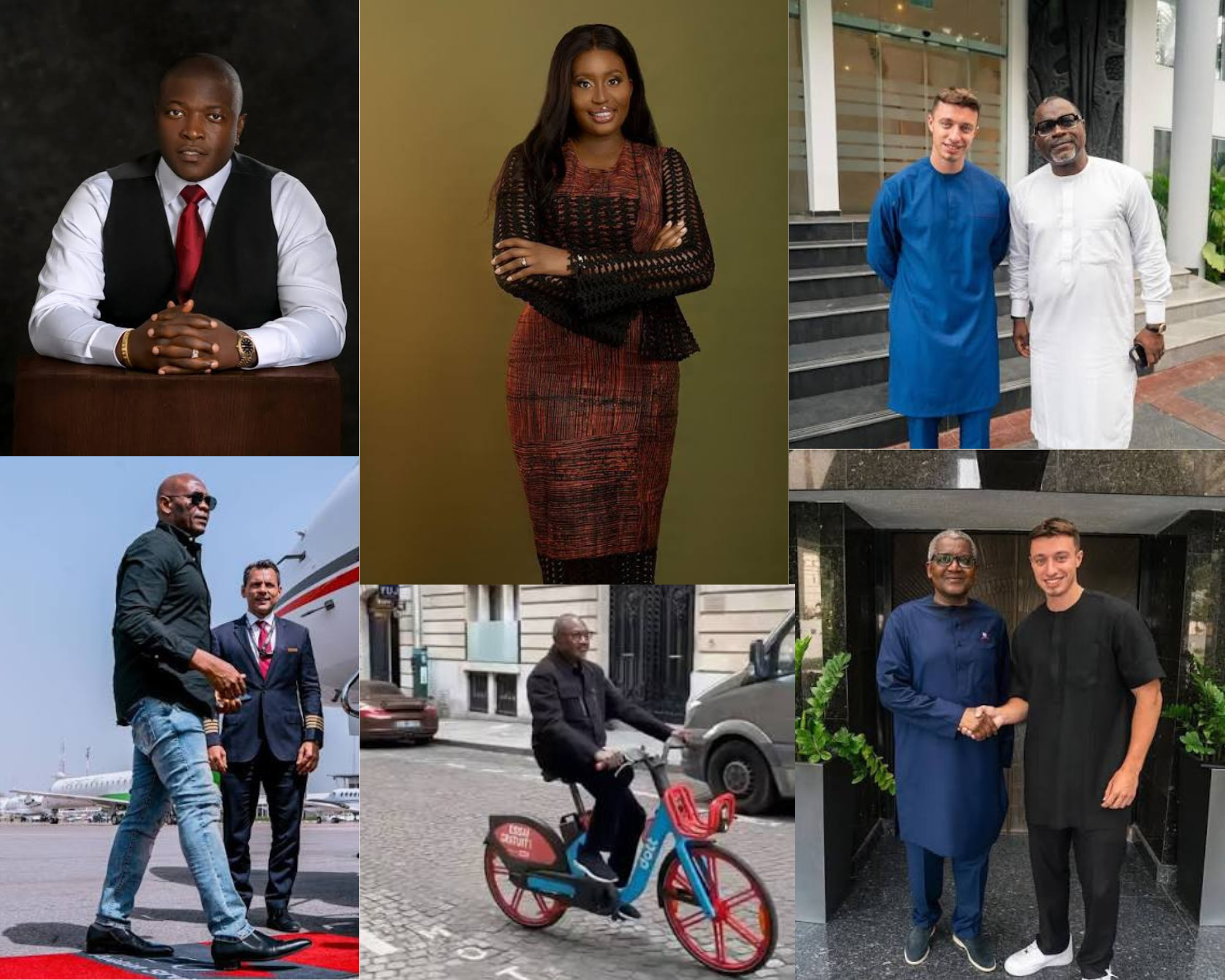


Africa’s corporate titans are ditching exclusive boardrooms for Instagram screens as a viral street-interview trend sweeps through Lagos.
U.S. media creator James Dumoulin recently stormed Nigeria’s commercial capital with his popular digital show, “The School of Hard Knocks”.
His viral videos capture rare, candid chats with ultra-wealthy elites. So far, he’s done interviews with Aliko Dangote, Tony Elumelu, Kola Karim, Kennedy Okonkwo, Adesuwa Rhodes, and many others.
Parallel to this, energy tycoon Femi Otedola sparked major conversations by posting clips of himself riding a bicycle through global cities like Paris and Singapore. When critics challenged him to try that in Nigeria, Otedola clapped back by filming himself cycling along the heavily guarded Eko Atlantic coastline. This unprecedented digital access signals a massive shift in how Nigeria’s top 0.1% control their public image.
For brand managers, this strategic migration to social media reveals crucial lessons about modern corporate communication.
Historically, Nigerian business magnates maintained a mystique of absolute privacy. However, the modern digital landscape penalises distant corporate figures. By answering raw, unscripted questions on the streets or casually addressing online critics, these billionaires successfully humanise their immense wealth. They trade rigid corporate speak for inspiring stories of grit, risk, and everyday hobbies.
Consequently, this casual approach transforms cold corporate entities into relatable, trusted personalities.
This transformation targets a vital segment of the domestic market. Nigeria boasts one of the youngest populations globally, with over 70% of citizens under the age of 30. Forward-thinking executives clearly recognise that future consumers, investors, and talent live online.
Traditional billboards and television advertisements no longer guarantee audience attention. Therefore, titans use short-form video content to meet the next generation exactly where they look for inspiration.
Beyond consumer reach, this media-savvy individual builds a robust defensive asset. Public goodwill serves as a powerful insurance policy in volatile economic markets. When billionaires share free business insights online, they build immense social capital.
Even playful responses to online criticism, like Otedola’s coastal bike ride, turn potential PR liabilities into viral moments of engagement. This proactive transparency actively counters public scepticism regarding wealth accumulation. If a corporate crisis hits, a deeply connected online community will likely defend a brand that previously poured knowledge into them.
Ultimately, this trend stretches far beyond the local market. Local visibility is no longer the final destination for Nigerian conglomerates. Appearing on international digital platforms projects an image of modern, progressive leadership to the world.
This transparency attracts foreign investors who value open corporate governance. As a result, a strong personal brand acts as digital diplomacy, making local companies far more competitive on the global stage.


Comment
No comments found.