
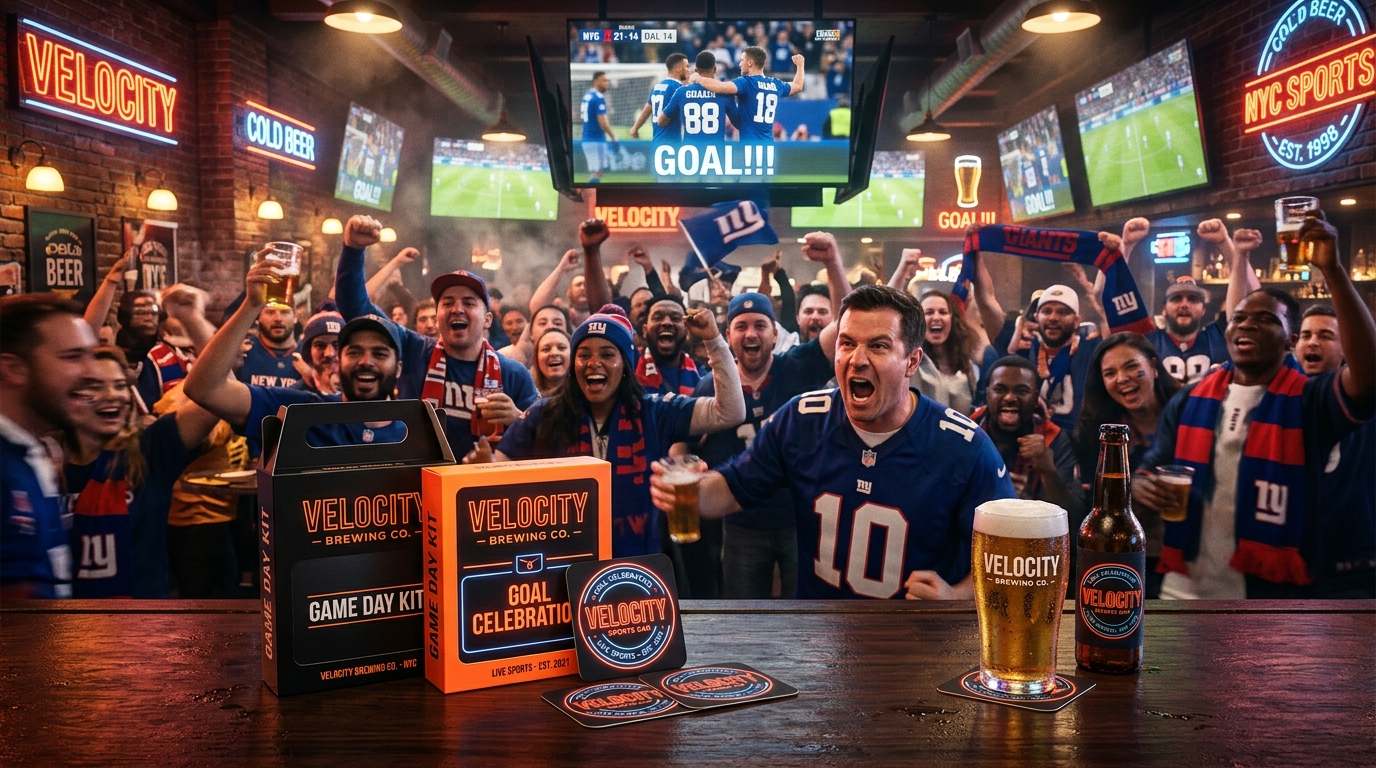


The 2026 FIFA World Cup is underway. Billions across the world are ready to watch, while millions will be gathering. Intimacy spikes are real. Yet condom brands remain invisible. Not because consumers do not need them. Not because the moment does not exist. But because three barriers stand in the way: cultural taboo, strict advertising restrictions, and zero sponsorship rights from FIFA.
These barriers are real. But they are not insurmountable. Here is how condom brands can still own this moment.
The Barriers are Real
Cultural Taboo: In many markets, discussing condom use openly remains taboo. Religious sensitivities. Conservative audiences. Government pushback. Brands cannot simply run traditional advertising during prime-time football matches without facing backlash.
Strict Advertising Restrictions: Most broadcasters and platforms restrict sexual health product advertising. Time slots. Content guidelines. Placement limitations. A condom brand cannot sponsor halftime shows or run ads during the main broadcast the way Coca-Cola can.
No FIFA Sponsorship Rights. FIFA controls official sponsorship categories. There is no “Sexual Health” tier. Condom brands cannot buy their way into the tournament through official channels. They are locked out by design.
So, what do they do?
The Solution: Moment Marketing Outside Official Channels
Condom brands do not need FIFA sponsorship to own the World Cup moment. They need a strategy.
Activate Where Consumers Actually Are (Not On Broadcast): The match happens on screen. The moment happens everywhere else.
Bas. Watch parties. Hotels. Post-match celebrations. Street festivals. These are where intimacy actually spikes. A condom brand that partners with venues, provides sampling, runs activations in these spaces, and reaches consumers at the exact moment they need the product.
This avoids broadcast restrictions entirely. It is venue-based activation, not television advertising. Legal. Effective. Direct.
Use Digital and Influencer Channels (Not Traditional Media): Broadcast advertising is restricted. Digital is not. A brand that runs campaigns on social media, TikTok, Instagram, and YouTube reaches younger audiences directly, the exact demographic that watches the World Cup and needs this product. Influencer partnerships. Creator collaborations. Memes. Humour. The content does not need to be clinical or corporate.
In 2014, Durex’s #DontFakeIt campaign went viral on social. That is where the power was. Not on television. Online.
Partner With Retailers and E-Commerce (Not Official Sponsors): FIFA controls sponsorship. FIFA does not control retail.
A condom brand can partner with convenience stores, pharmacies, and e-commerce platforms to run limited-edition products, bundle offers, or in-store activations tied to the World Cup. “World Cup Bundle.” “Tournament Edition.” It is commercial. It is legal. It reaches consumers exactly where they shop.
Use Grassroots and Community Partnerships (Not Corporate Channels): Sexual health organisations. Youth groups. Community centres. These partners have credibility that condom brands can leverage.
A campaign that positions condom use as responsible, celebratory, and part of healthy sexual culture, through community partners, removes the taboo by changing the framing. It is not about the product. It is about health and responsibility.
Embrace Humour and Irreverence (Not Corporate Speak): The cultural taboo exists because condom marketing is usually clinical or awkward. A brand that leans into humour, acknowledges the World Cup moment directly, and speaks to consumers like adults removes the taboo itself.
#DontFakeIt worked because it was cheeky, not preachy. It acknowledged what everyone was thinking. That confidence is what cuts through taboo.
The Brands That Could Execute This
Durex. Trojan. Okamoto. Manix. Lifestyles. Crown. Mates. Skyn. EXS. Pasante. Sagami. Prime. Contex.
All of them have the budget, the insight, and the product. The only thing missing is the willingness to operate outside official sponsorship channels and embrace moment marketing where it actually happens.
What Happens Next
The 2026 FIFA World Cup will be forgotten in four years. But the brand that owns the unspoken moment, the one that condom brands actually understand better than anyone else, will have built loyalty that lasts far longer than any sponsorship deal.
And this strategy works beyond FIFA. Champions League. Premier League. Copa America. African Cup of Nations. Every major football tournament creates the same moment. Every tournament is an opportunity to build this positioning.
The barriers are real. The solution is to stop fighting them and start working around them.
ALSO WATCH:MARKETING EDGE ONTV




Comment
No comments found.