
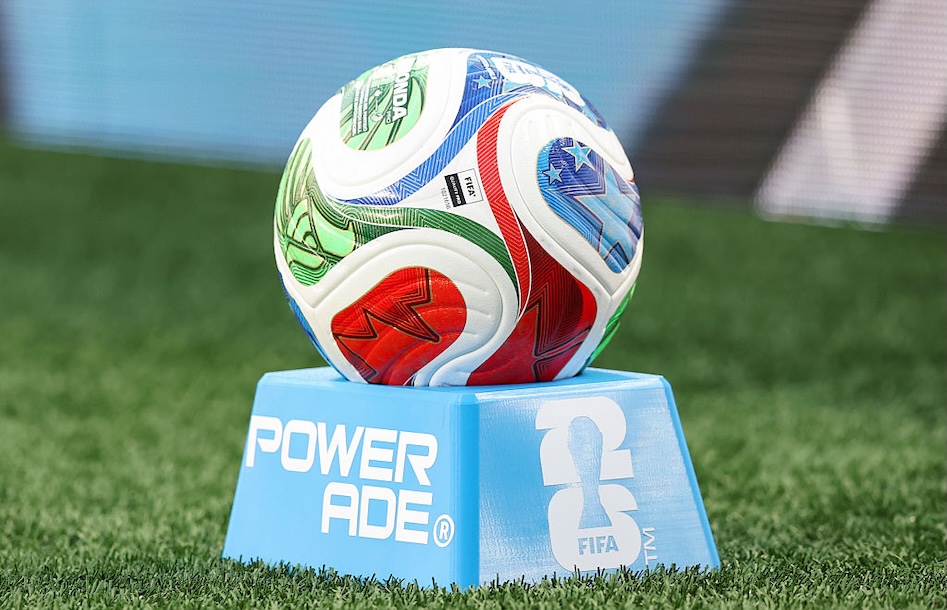


Coca-Cola has credited part of Powerade’s strong second-quarter performance to its high-profile sponsorship of hydration breaks during the 2026 FIFA World Cup, demonstrating how strategic sports marketing translated into measurable business results.
The beverage giant said the mandatory hydration breaks introduced during World Cup matches significantly increased Powerade’s visibility, helping drive stronger consumer engagement and sales throughout the tournament. The company reported that Powerade was one of its fastest-growing brands during the quarter, contributing to stronger-than-expected financial results.
Speaking during the company’s second-quarter earnings call, Coca-Cola executives said the additional exposure created by the in-match breaks gave the sports drink a unique branding opportunity at one of the world’s biggest sporting events.
Chief Financial Officer John Murphy acknowledged that while the hydration breaks generated debate among football fans, they proved valuable from a marketing perspective.
“I’m not sure whether these hydration breaks are going to be a permanent feature of the football world, but we were not unhappy with them during the World Cup,” Murphy said.
ALSO WATCH MARKETING EDGE ONTV
Beyond Powerade, Coca-Cola said the tournament also boosted sales across its wider beverage portfolio. Global unit case volume increased by 5%, while Powerade recorded volume growth of 8%, underlining the commercial impact of the company’s World Cup activation strategy. The strong performance prompted Coca-Cola to raise its full-year financial outlook, projecting organic revenue growth of about 5% and earnings-per-share growth of 9–10% for 2026.
The hydration breaks, introduced midway through each half of every World Cup match, were designed by FIFA to support player welfare in high temperatures. However, they also created additional commercial inventory for broadcasters and sponsors, offering brands extended visibility during live matches.
While the breaks attracted criticism from some players, coaches and supporters for disrupting the flow of games, Coca-Cola’s results suggest the initiative delivered significant commercial value. Marketing analysts estimate the breaks generated millions of additional brand impressions for Powerade while reinforcing its positioning as a performance hydration brand.
The development highlights the growing role of integrated sports sponsorships in modern marketing. Rather than relying solely on traditional advertising, brands are increasingly embedding themselves into the live sporting experience, creating memorable moments that influence both consumer perception and purchasing behaviour.
For Coca-Cola, the World Cup campaign underscores how carefully executed sponsorship strategies can extend beyond brand awareness to deliver measurable business outcomes, reinforcing the value of sports marketing as a driver of both visibility and revenue.



Comment
No comments found.