
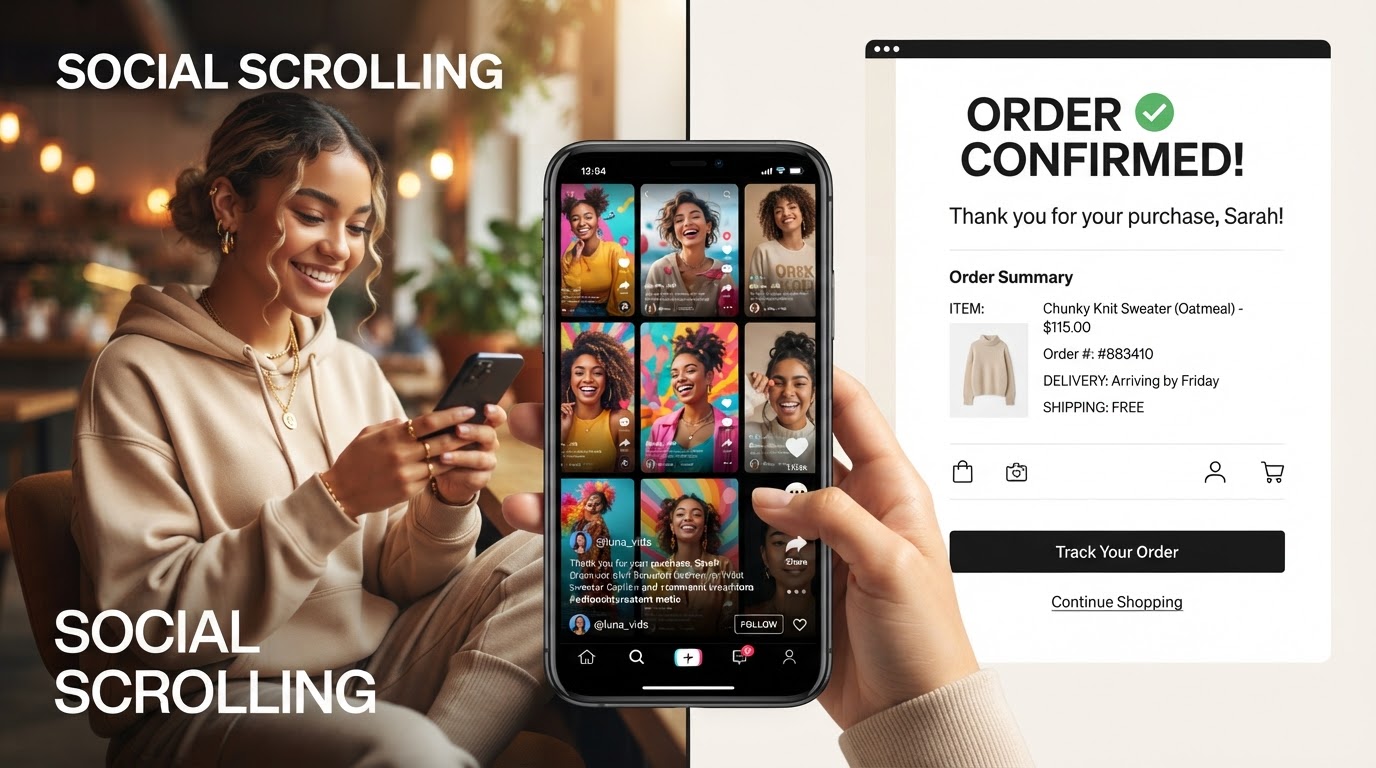


A brand can dominate a consumer’s social media feed, attract thousands of views, generate conversations and still fail to convince that consumer to make a purchase.
This is one of the more interesting contradictions in modern marketing. Social media has made it easier for brands to reach younger audiences, introduce products and influence conversations. Yet, being visible does not necessarily mean being trusted, and being trusted does not automatically translate into a sale.
For Gen Z, whose digital experiences are deeply connected to platforms such as TikTok, Instagram and YouTube, social media plays an important role in discovering products, exploring trends and becoming familiar with brands. But the journey from seeing something online to spending money on it involves a different level of consideration.
A product appearing in a creator’s video may generate curiosity. An engaging advertisement may create interest. A trending product may even produce a sense of urgency. But when the consumer begins to consider whether the product is worth buying, the questions become more practical.
Is the product genuine? Does it deliver what the brand promises? Are other customers satisfied? Is the price justified? Can the company be trusted to deliver?
These questions expose the gap between visibility and credibility.
For marketers, the distinction is important because social media metrics can sometimes create an inflated impression of campaign effectiveness. Views, likes, shares, comments and follower growth indicate different forms of audience attention, but they do not independently establish purchasing confidence.
A campaign can perform exceptionally well in terms of engagement while producing limited commercial results. Equally, a smaller campaign with a more relevant audience and a credible message may generate stronger purchasing interest.
The difference often lies in what happens after discovery.
Consumers increasingly encounter brands through multiple voices. They may discover a product through an influencer, investigate it through customer reviews, compare prices across different platforms and seek recommendations from friends before deciding. The brand is therefore not the only participant shaping its reputation.
This creates a more demanding environment for businesses. Influencer partnerships, for instance, can introduce products to large audiences, but reach alone does not guarantee credibility. When a recommendation feels disconnected from the creator’s usual content or appears driven entirely by commercial interest, audiences may question its authenticity.
The same applies to brand advertising. Attractive visuals and persuasive copy can secure attention, but consumers eventually expect the product experience to match the promise. A business that invests heavily in social media visibility while neglecting customer service, product quality, delivery and after-sales support risks creating an expectation it cannot sustain.
For brands operating in Nigeria’s increasingly competitive digital marketplace, this distinction has practical consequences. Consumers may encounter a product on Instagram, move to WhatsApp to make enquires, search for independent reviews and complete payment through a fintech application. Every interaction contributes to their perception of the business.
A weak experience at any stage can undermine the confidence created by an otherwise successful campaign.
The implication is that brands need to reconsider what they consider successful social media marketing. Engagement remains useful, but it should be assessed alongside measures such as qualified enquiries, website visits, conversion rates, repeat purchases, customer retention and recommendation.
More importantly, businesses must ensure that their marketing promises are supported by the quality of their products and the consistency of their customer experience.
The objective should not simply be to make consumers notice a brand. It should be to give them enough reasons to believe in it.
Social media can introduce a brand to millions of people, but it cannot independently guarantee their confidence. In a marketplace where consumers have more opportunities to compare, question and verify what they see, attention may open the door, but trust is what makes the relationship commercially valuable.
ALSO WATCH: MARKETING EDGE ONTV



Comment
No comments found.