


Nigeria’s planned transition into a fully digital broadcasting era has continued to generate conversations as fresh concerns now emerge over the structure, affordability and transparency of the country’s FreeTV ecosystem ahead of the nationwide launch of the Digital Switch Over (DSO) project.
Although the Federal Government recently declared the long-awaited DSO initiative ready for full deployment, industry stakeholders are increasingly questioning whether the platform genuinely reflects the original vision of affordable and accessible television services for ordinary Nigerians.
Although, the Minister of Information and National Orientation, Mohammed Idris, had announced that the digital broadcasting platform would officially launch on June 17, 2026.
According to him, the system, powered by NIGCOMSAT technology, is expected to improve picture quality, expand free-to-air television access, strengthen audience measurement systems and introduce as many as 100 channels nationwide.
Furthermore, the government projected that the initiative would stimulate stronger industry competition while simultaneously accelerating local content development and unlocking fresh advertising opportunities within Nigeria’s media ecosystem.
ALSO WATCH:MARKETING EDGE ONTV
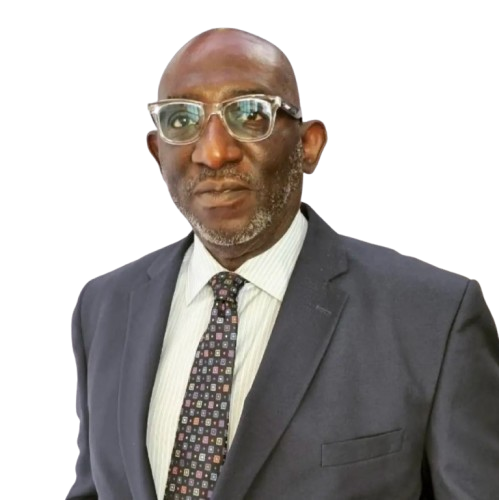
However, despite those promises, media technology entrepreneur and Founder of IBST Media Limited, Remi Ogunpitan, has now raised critical questions regarding the true meaning of “free” within Nigeria’s evolving digital television structure.
Ogunpitan made the remarks on his [lLinkedIn handle, while reacting to the Federal Government’s renewed push toward the nationwide implementation of the DSO project.
Reacting to the development, he argued that while FreeTV may not impose conventional monthly subscription charges, millions of Nigerians still confront multiple indirect expenses that could ultimately limit accessibility for low-income households.
According to him, consumers must still contend with the financial burden of mobile data, electricity costs, smartphones, smart television devices, decoders, satellite dishes, installation charges and periodic renewals
Consequently, he warned that those recurring expenses could continue to create significant access barriers for citizens already facing mounting economic hardship.
More importantly, the media expert stressed that the larger issue extends beyond affordability and now centers heavily on transparency and governance within the FreeTV ecosystem.
He questioned the ownership structure behind the platform, asking whether FreeTV operates strictly as a government-owned public broadcasting service, a public-private partnership arrangement or a commercial enterprise leveraging public infrastructure and taxpayer-backed investments.
ALSO WATCH:WAKE-KEEP OF PA EZEKIEL OYEYIPO FADOLAPO
Additionally, he demanded greater clarity regarding operational control across the ecosystem, particularly concerning advertising revenues, audience data management, carriage frameworks and overall platform administration.
At the same time, he also sought explanations about the specific responsibilities and influence of regulatory agencies and industry players, including the National Broadcasting Commission, NIGCOMSAT, signal distributors and private sector collaborators operating within the DSO framework.
According to him, if Nigeria’s Digital Switch Over project was originally conceived as a national public access infrastructure designed to democratise television broadcasting, then Nigerians deserve open and comprehensive answers concerning ownership, affordability, governance and whether the platform truly prioritises public interest over commercial gain.
ALSO WATCH:MARKETING EDGE ONTV WITH YBO AS GUEST
As discussions around the June rollout continue to intensify, industry observers believe the concerns being raised could significantly shape public perception of Nigeria’s digital broadcasting future while also increasing pressure on authorities to provide greater accountability and operational clarity before the nationwide launch proceeds fully.



Comment
No comments found.