

After navigating months of economic pressure, fluctuating operating costs and cautious spending patterns, businesses across Nigeria’s Integrated Marketing Communications (IMC) industry are beginning to see signs of renewed momentum as the second half of 2026 unfold.
From advertising agencies and media independents to public relations firms, experiential marketing companies and outdoor advertising operators, industry players say client confidence is gradually returning, marketing budgets are becoming less restrictive and spending decisions are increasingly driven by growth ambitions rather than survival concerns.
This renewed optimism comes as brands continue to compete aggressively for consumer attention in a challenging marketplace. Consequently, many companies have resumed marketing investments that were either delayed or scaled back during periods of economic uncertainty.
Furthermore, with festive season campaigns approaching and political activities expected to intensify ahead of Nigeria’s 2027 general elections, industry stakeholders anticipate stronger advertising activity across multiple communication channels in the coming months. Among the strongest beneficiaries of this anticipated increase in spending could be the outdoor advertising sector.
However, industry leaders caution that while political campaigns traditionally create opportunities for billboard operators and outdoor media owners, lessons from previous election cycles have made operators more selective and commercially disciplined in their approach to political advertising.
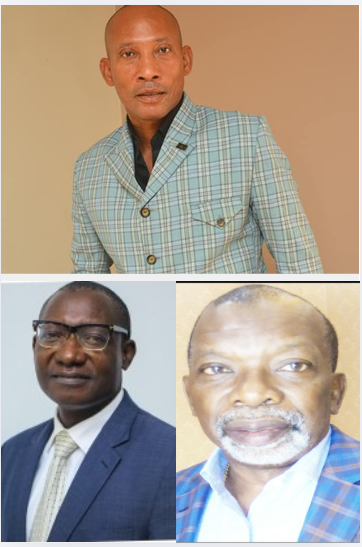
Speaking on the outlook for the industry, Chief George Onwujiariri, rpa, the MD/CEO of Mario Sanctus Ltd, an Outdoor Advertising Association of Nigeria (OAAN) member, observed that the economy is showing encouraging signs of stability despite the gradual build up of political activities ahead of the elections.
According to him, advertisers and agencies are displaying greater confidence than they did in previous quarters, leading to more open marketing budgets and stronger demand for premium outdoor advertising locations.
“The economy is beginning to stabilise despite the heating up of political activities. Advertisers and agencies are no longer as cautious as they were before.Budgets are becoming more open and good advertising sites are selling. We expect the second half of the year to outperform the first half,” he said.
Nevertheless, Onwujiariri noted that many outdoor advertising operators now approach political campaigns with greater caution due to unresolved payment challenges experienced during previous election cycles.
He explained that a significant campaign debt issue within the industry left many operators exposed, prompting media owners to adopt stricter commercial safeguards.
As a result, many outdoor advertising companies now insist on advance payments before committing inventory to political campaigns.
Even so, he believes election related advertising will still contribute additional revenue streams for outdoor operators as campaign activities gather momentum, although commercial brands will continue to compete for visibility across the same platforms.
Similarly, Eki Adzufeh, Chief Executive Officer and Administrator of Alphabet Media Academy Limited, described industry performance in the first half of the year as relatively encouraging despite prevailing market challenges.
According to him, most organisations entered the year with clear strategies, projections and business objectives.
While performance reviews remain ongoing, he believes the industry has recorded reasonable progress and retains the flexibility to adjust where necessary in order to achieve annual targets.
“I think it has not been bad. There may be areas that require adjustment, but generally there is room to improve performance and achieve planned objectives,” Adzufeh stated.
Significantly, he expects the third quarter to create fresh business opportunities, driven by a combination of seasonal campaigns, festive marketing activities and increased political engagement.
He noted that while political campaigns often create additional revenue opportunities for communication practitioners, brands may need to exercise strategic discipline in their advertising investments once election activities begin to dominate public discourse.
According to Adzufeh, many marketers may prioritise maintenance campaigns rather than aggressive brand promotion during peak political periods because voter focused messaging could dominate traditional media channels and consumer attention.
Even so, he believes the festive season will provide another significant boost for advertising activities, with affinity campaigns, consumer promotions, experiential activations and visibility driven initiatives expected to increase substantially towards the end of the year.
Offering a broader perspective on the economy and the future of the communications industry, Aderemi Adetayo, Chief Executive Officer of Moving Media, expressed cautious optimism despite the difficult operating environment confronting businesses.
Adetayo acknowledged that rising costs and economic pressures continue to affect companies, consumers and marketing professionals alike. However, he argued that Nigeria’s long term fundamentals remain strong and continue to attract investor interest.
According to him, the country possesses the population scale, market potential and economic opportunities required to support sustained business growth once current challenges begin to ease.
“What we are experiencing today is part of a difficult phase that we must navigate. The economic headwinds are affecting everyone, including clients, agencies and professionals.
However, I believe there is light at the end of the tunnel. We must remain focused because opportunities are emerging, including growing interest from international businesses looking at Nigeria as a manufacturing and investment destination,” he said.
Again, the views of Onwujiariri, Adzufeh and Adetayo point to an industry that is gradually moving from caution to confidence.While economic realities continue to shape spending decisions, many stakeholders expect advertising investments to strengthen during the remainder of 2026.
More importantly, as political campaigns gather pace ahead of the 2027 elections and festive season activities drive consumer engagement, industry operators foresee increased demand for media space, brand activations, public relations services and outdoor advertising inventory.
For outdoor media owners in particular, the coming months could present a delicate balancing act. On one hand, election related campaigns may unlock new revenue opportunities. On the other hand, operators are likely to maintain stricter commercial controls to avoid repeating past experiences.
In conclusion, industry stakeholders agree that businesses that combine strategic planning, financial discipline and innovative audience engagement approaches will be best positioned to benefit from the opportunities expected to emerge between now and the 2027 election cycle.




Comment
No comments found.