
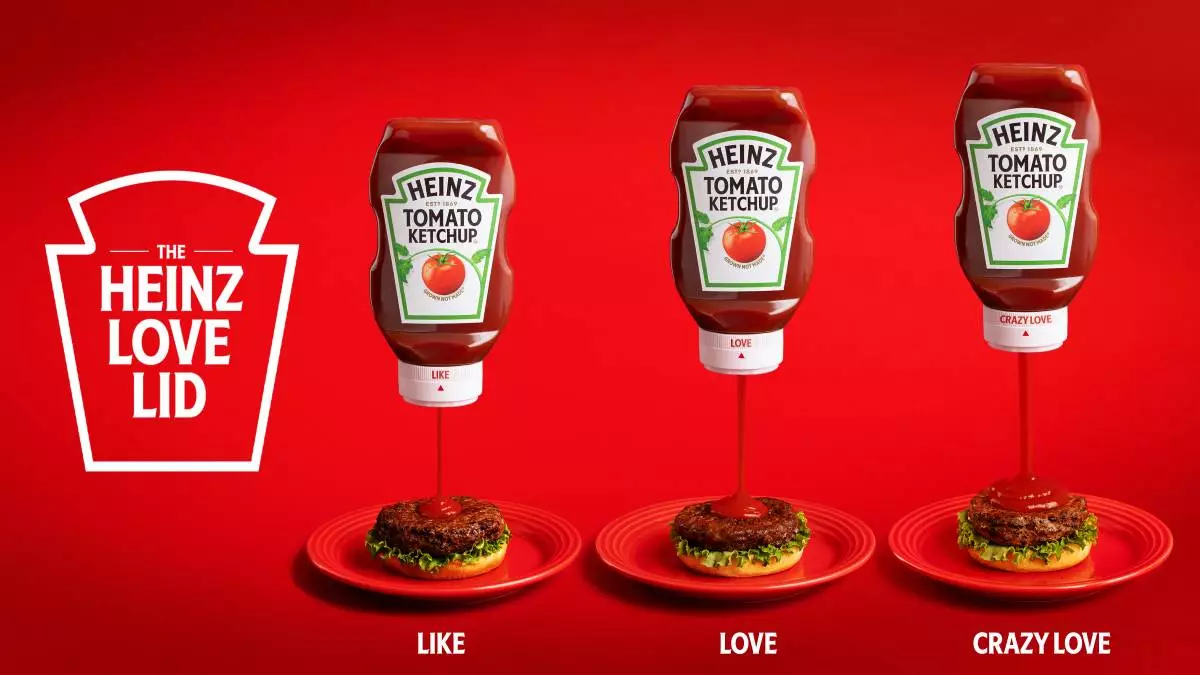


Heinz the brand is winning everywhere, while, Kraft Heinz’s overall sales are declining. The difference between those two realities is $700 million invested in marketing.
Kraft Heinz CEO Steve Cahillane confirmed on the company’s latest earnings call that net sales declined 1.3 per cent, driven primarily by weakness in US retail. However, the company’s decision to aggressively invest in brand support for its highest-potential brands is already delivering measurable results, and Heinz is leading the way.
The brand is increasing sales in every region and across all categories including ketchup, mayonnaise, pasta sauces, and soups. Furthermore, Kraft Heinz now reports that 36 per cent of its revenues come from brands that are holding or gaining market share; up significantly from 21 per cent just one year ago. The company attributes that shift directly to its decision to increase marketing investment rather than cut it during a period of broader sales pressure.
Cahillane announced that Kraft Heinz is committing an additional $100 million, on top of a previously announced $600 million, to bolster innovation and marketing for its highest-potential brands. Heinz and Philadelphia cream cheese have both been singled out for what the company calls “more brand heat.” Moreover, Cahillane cited Heinz’s “It Has to Be Heinz” campaign as a direct driver of strengthening brand equity across markets.
Alongside the financial results, Heinz launched the Love Lid; a direct-to-consumer ketchup cap that gives users three pour settings: Like, Love, and Crazy Love, each controlling the width and intensity of the ketchup stream. The product is available in limited markets and represents a deliberate test of consumer purchase behaviour and demand.
Andrea Egido, Global Marketing Manager for Heinz, explained the data-driven rationale behind the innovation. “Our social listening identified more than 1,500 engagements around ketchup quantity debates over the past year alone,” she said. Additionally, consumer research confirmed that the majority of Americans surveyed put ketchup on as many foods as possible, making portion control a genuine and emotionally charged consumer concern.
Consequently, the Love Lid is not merely a product innovation. It is a brand conversation starter designed to generate engagement, surface real consumer behaviour data, and create the kind of cultural moment that advertising budgets alone cannot manufacture.
For Nigerian marketing and brand professionals navigating budget conversations with sceptical CFOs, the Kraft Heinz results carry a lesson that is both simple and commercially documented. When overall business performance is under pressure, the instinct is frequently to cut marketing expenditure as a cost management measure. Kraft Heinz has just demonstrated with audited financial results that the opposite approach; investing in brand during a slump, is what drives the performance recovery that cost-cutting cannot achieve.
Nigeria’s FMCG sector is navigating its own pressures; food inflation, currency volatility, shifting consumer spending patterns driven by the salary cycle. Nevertheless, the brands that maintain and increase their marketing investment during those pressures are the ones that emerge from them with stronger market positions and higher revenue share. The brands that cut are the ones that find themselves rebuilding from a weaker base when conditions improve.
ALSO WATCH: MARKETING EDGE ONTV


Comment
No comments found.