
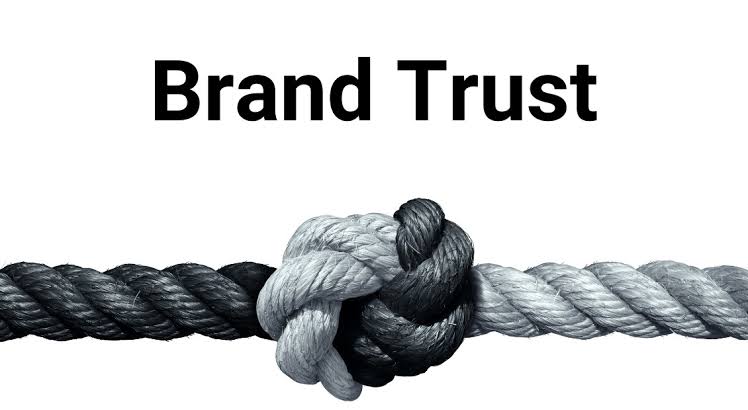


Brands must back their promises with honest communication, consistent product quality and responsible business practices to earn consumer confidence, industry experts have said, warning that misleading claims, poor product delivery and a refusal to accept mistakes can erode customer loyalty and damage brand reputation.
As consumers become more discerning about the products they buy and the companies they support, businesses face growing pressure to demonstrate that their advertising claims reflect reality. Beyond attractive campaigns and persuasive messages, customers want products that perform as promised, accurate information about what they are buying and brands willing to take responsibility when things go wrong.
For businesses competing for consumer attention and spending, trust has become a vital part of building lasting relationships. Although advertising can generate awareness and influence purchasing decisions, sustained patronage depends on whether consumers receive the experience a brand promises. Industry experts maintain that transparency, accountability, authenticity and compliance with established rules must therefore remain central to brand management.
ALSO WATCH:MARKETING EDGE ONTV HOSTS AYODEJI TOBUN
Olusesan Ogunyooye, Head of Marketing at AXA Mansard, emphasised that transparency and accountability are essential to maintaining consumer confidence, arguing that brands must acknowledge their mistakes, learn from them and take responsibility instead of misleading customers or dismissing their concerns.
According to Ogunyooye, making mistakes is a normal part of business, but how a company responds can determine whether it retains the confidence of its customers. He maintained that brands should be willing to admit when they have fallen short and demonstrate a genuine commitment to correcting the problem.
For him, the willingness to own up to an error can make a significant difference in how consumers perceive a business. Customers may be prepared to forgive a brand that openly acknowledges its shortcomings, but they are less likely to tolerate a company that attempts to distort the facts or make them question their own experiences.
Ogunyooye’s position highlights the importance of honest engagement when brands face criticism. Rather than attempting to conceal failures or defend every decision, businesses need to communicate openly, recognise legitimate concerns and take practical steps to address them. Such responses can help preserve relationships that might otherwise deteriorate because of mistrust.
Sam, Brand Manager at Diva, placed consistency between a brand’s promises and the consumer’s actual experience at the centre of trust-building, saying businesses must ensure that what they communicate in their campaigns matches what customers receive when they purchase and use their products.
He explained that a brand cannot make a particular promise in its advertising and then deliver an entirely different experience at the point of use. When a company presents a product as offering a specific benefit, consumers should be able to experience that benefit rather than discover that the product falls short of the claims made about it.
ALSO WATCH: MARKETING EDGE ONTV COVERAGE ON OMNICOM AFRICAN CONFERENCE
For Sam, brand manager, Diva, this alignment between communication and performance represents a critical moment in the relationship between a brand and its customers. Advertising may attract attention and encourage trial, but the product experience determines whether the promise holds up. When brands consistently deliver what they claim, they give consumers a reason to believe their messages and return for future purchases.
Conversely, a gap between claims and performance can weaken credibility, particularly when customers repeatedly encounter disappointing experiences. Sam’s argument reinforces the view that brand trust cannot be sustained by promotional activity alone; businesses must earn it through the quality and consistency of their delivery.
Udeme Ufot, MFR, Group Managing Director of SO&U, identified integrity and authenticity as fundamental to building strong brand equity, maintaining that companies must remain true to their identities, avoid false claims and ensure that their actions reflect the promises they make.
Ufot argued that a brand cannot establish genuine trust while engaging in practices that contradict its stated values. Businesses that sell fake products, misrepresent what they offer or make claims they cannot substantiate undermine the very credibility they need to build lasting consumer relationships.
He stressed that brand equity grows when companies consistently deliver on their promises and communicate in ways that align with their brand attributes and established identity. Rather than presenting an image that their products or conduct cannot support, businesses must ensure that their public claims reflect what they genuinely offer.
He explained that, this calls for a clear relationship between a brand’s identity, its communication and its performance. According to him, when those elements work together, consumers have a stronger basis for believing the brand and associating it with reliability. Adding further, he maintained that, where they conflict, even an attractive brand image can lose its value because customers have little reason to trust the message.
Bunmi Oke, Chief Executive Officer of Ladybird Limited Advertising and a former President of the Association of Advertising Agencies of Nigeria (AAAN), called for brands to balance creative expression with regulatory compliance, truthful product information and a proper understanding of consumer needs.
ALSO WATCH:MARKETING EDGE ONTV HOSTS GEORGE ISITUA-ONUKWU
Oke explained that creativity must operate within established rules, comparing a brand to a motorist who needs the appropriate licence and registration and must drive on the correct side of the road. Just as a driver cannot disregard traffic regulations simply because they wish to reach a destination, she said, brands cannot use creative freedom as a justification for ignoring the rules governing their activities.
She maintained that responsible brand management requires companies to understand their target audiences, provide appropriate products and ensure that their marketing messages accurately represent what they sell. Regulatory compliance, in this regard, is not separate from building consumer trust; it helps establish the standards that protect customers and guide responsible business conduct.
The Ladybird Advertising Lead Consultant also stressed that product claims must correspond with reality. If a package states that a product weighs 25g, 100g or 200g, the contents should reflect the stated quantity. Likewise, ingredients listed on a label must accurately describe what is inside the product, while its colour and other advertised characteristics should match what consumers receive.
Such details may appear basic, but they influence whether customers believe a brand’s claims. A discrepancy between a product’s description and its actual contents can raise questions about the company’s honesty and its willingness to respect consumers. For Oke, brands must therefore ensure that every promise, from product quantity to ingredient information, stands up to scrutiny.
She noted that some companies make deliberate efforts to protect their reputations because consumers often rely on established brand equity when choosing between competing products. That confidence places a responsibility on businesses to preserve the standards and expectations associated with their names rather than take customer loyalty for granted.
Beyond truthful claims and regulatory compliance, Oke urged businesses to remain attentive to changing consumer needs, including affordability. Brands, she explained, must understand the circumstances of their target audiences and consider product sizes and price points that allow consumers to make purchases within their budgets.
Providing smaller packs, where appropriate, can help brands respond to affordability concerns without losing sight of the needs they set out to meet. Such decisions demonstrate that consumer understanding must extend beyond advertising messages to the practical realities that shape purchasing behaviour.
She further maintained that businesses must be organised, honest about what they can deliver and disciplined in keeping their promises. Even when brands pursue bold creative ideas, they must respect the rules of the game and ensure that their activities do not compromise consumer confidence.
The perspectives shared by the four industry professionals point to a common principle: trust develops when a brand’s words, actions and actual performance remain consistent. Transparency enables businesses to communicate honestly, accountability requires them to take responsibility for mistakes, authenticity keeps their promises aligned with their identities, while compliance helps protect consumers from misleading practices.
For brands, the challenge is to translate these principles into everyday decisions, from the claims made in advertisements and the information printed on packaging to product performance, customer engagement and responses to complaints. Consumers ultimately judge businesses not only by what they say about themselves, but also by what they experience when they interact with them.
Indeed, they unitedly agreed that, brands that consistently honour their promises, communicate truthfully and correct their mistakes have a stronger basis for earning repeat patronage and sustaining consumer relationships. Those that disregard these responsibilities risk turning the very promises designed to attract customers into reasons for them to lose confidence.
WATCH ALSO:HIGHLIGHTS OF 2026 EDGE AWARDS


Comment
No comments found.