
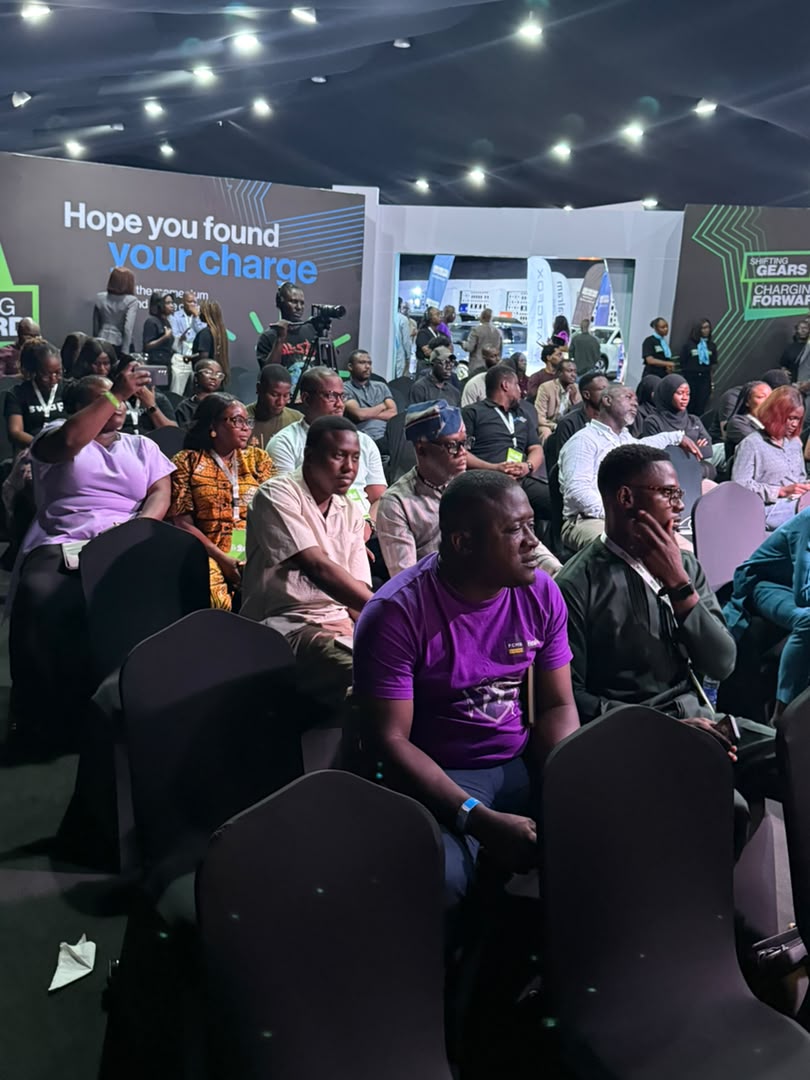



Electric mobility could significantly reduce the cost of operating vehicles in Nigeria, improve earnings for commercial drivers and create new investment opportunities across the transport value chain.
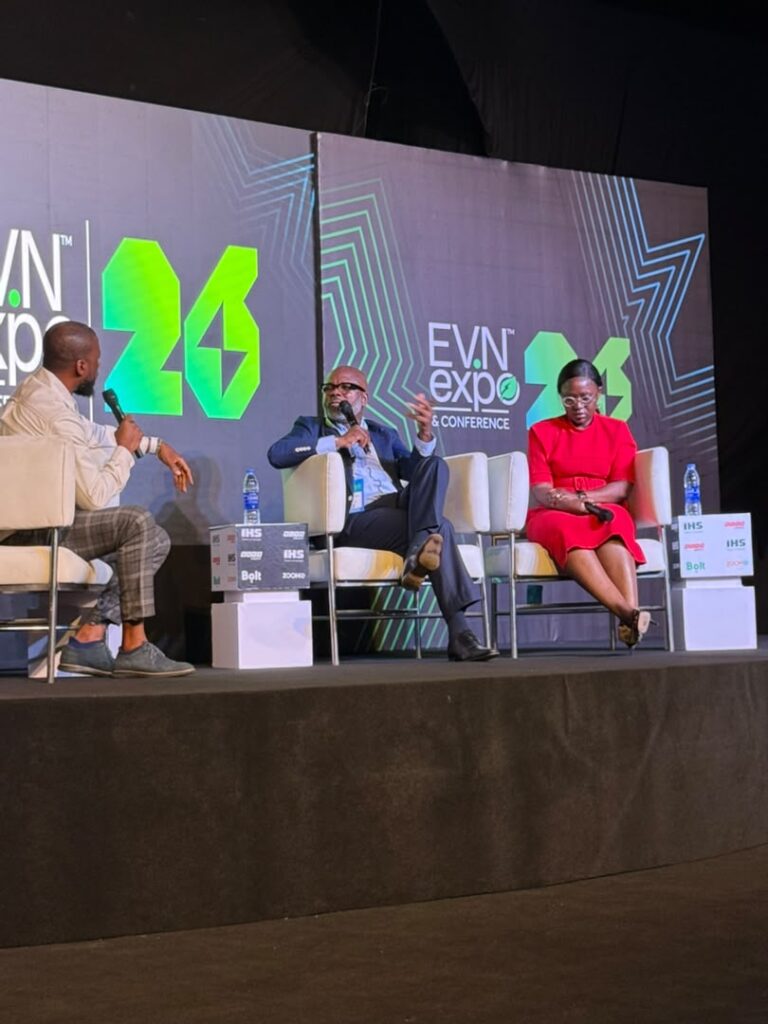
This formed the crux of discussions by industry stakeholders at the EV Nigeria Expo and Conference 2026, held at the Balmoral Event Center, Victoria Island, Lagos.
Presenting a comparison of electric and petrol-powered vehicles, Onyinye Madubuko, a business analyst at Bolt Nigeria , said drivers using electric vehicles could save as much as ₦60,000 weekly on energy costs, strengthening the economic case for adopting cleaner transport alternatives.
In a presentation titled “The Driver Economics Case”, Madubuko illustrated the difference between two drivers covering the same distance and number of trips.
While the electric vehicle driver spent approximately ₦87,000 weekly on energy, the petrol vehicle driver incurred about ₦147,000 over the same period.
She explained that although electric vehicles often require higher initial investment, their lower energy and maintenance costs could improve drivers’ net earnings over time.
However, she stressed that wider adoption would depend on access to affordable financing, reliable charging infrastructure and consistent government policies.
The discussion also examined how electric mobility could deliver operational benefits for organisations running vehicle fleets.
During a fireside session titled “Keeping an Electric Fleet on the Road: The Metro Electric Case Study, with Bank of Industry”, Eniola Akinsete of the Bank of Industry shared the institution’s experience with electric buses for staff transportation.
According to Akinsete, the Bank began its transition with six electric buses in Lagos before expanding their deployment across different routes.
She described the running costs as very low and identified reduced exhaust emissions and environmental responsibility among the benefits of the switch.
She also highlighted opportunities for financing charging infrastructure and electric vehicle assembly plants, noting that the Bank’s interest in the sector aligns with its broader focus on supporting manufacturing and industrial development.
Akinsete advised businesses considering the transition to look beyond the initial purchase price and assess the long-term operational benefits.
She urged fleet operators to select service providers capable of supporting their vehicles throughout their lifespan, rather than focusing solely on the supply of equipment.
Providing the service-provider perspective, Gbenga Obadina of Metro Electric said the company had supplied more than 250 electric vehicles into the market and deployed megawatt-capacity charging stations across the country.
He disclosed that Metro Electric supplied four charging stations to the Bank of Industry and continues to maintain them, stressing that dependable technical support remains essential to keeping electric fleets operational.
Obadina urged organisations to examine the experience, technical capacity, certifications, engineering personnel and after-sales support of prospective service providers before committing to electric mobility investments.
The session was moderated by Obiora Okafor.
Beyond cars and corporate fleets,Kunmi Demuren, Co-Founder & Chief Executive Officer at GreenApple HK Limited, drew attention to the potential of electric motorcycles and tricycles to transform Nigeria’s commercial transport sector.
In his presentation, “The Keke and Okada Question”, Demuren referenced an estimated 10 million motorcycles and tricycles operating across the country, describing the segment as a significant opportunity for electric mobility adoption.
He compared the energy costs of petrol-powered and electric motorcycles, explaining that while 10 litres of petrol could power a motorcycle for approximately 140 kilometres at a cost of about ₦13,000, the equivalent electric energy could cost less than ₦5,000.
Demuren also pointed to the maintenance savings available to riders, noting that electric motorcycles eliminate several recurring expenses associated with petrol engines, including engine oil, filters and spark plugs. He said conventional motorcycle maintenance could cost riders more than ₦20,000 weekly.
As part of its electric mobility operations, Zooming has completed 100,000 battery swaps and established 10 battery-swapping locations across Lagos, comprising four on the Island and six on the Mainland.
He identified battery swapping, vehicle retrofitting and battery-as-a-service models as practical ways to lower adoption barriers.
According to him, this is particularly for commercial riders whose earnings depend on daily operations.
He also emphasised the need for financing arrangements that reflect their income patterns and allow them to meet repayment obligations without undermining their livelihoods.
Demuren further noted that investment in the sector would depend on demonstrating commercially viable business models capable of delivering returns while managing risk.
He called for diversified energy sources to support the expansion of electric mobility.
Beyond the presentations and discussions, the conference brought together a wider community of industry experts, investors, policymakers, engineers and clean-energy professionals.
Also, it reflected the growing breadth of Nigeria’s electric mobility ecosystem.
Among those in attendance and participating in the event were Barr. Ismaeel Ahmed, OON, Executive Chairman of the Presidential Initiative on Compressed Natural Gas and Electric Vehicles (Pi-CNG/EV); Jade Akinmoladun, Principal, Investments at Consonance Investment Managers; Yusuf Oladipupo Bilesanmi, Founder and Group CEO of Eja-Ice Limited; Akeem Adeshina, Chief Commercial Officer of IHS Nigeria; and Olumide “Ash” Ashade of Delta40 Venture Studio, which focuses on early-stage climate technology and energy investments.
Other industry figures included Adedayo, Co-Founder and CEO of ZOOMe Energy Ecosystem Limited, which operates in battery swapping and electric vehicle infrastructure; Olufela Olatoye-Sosan, Chief Operating Officer of Metropolitan Electric Limited; Engr. Simon Theophylus Yusuf, a renewable energy and engineering specialist with more than 17 years of experience; and Engr. Olusegun M. Adesayo, FNSE, an engineering and infrastructure professional.
The gathering also featured Obiora Okafor, an electric mobility industry speaker; Allen Bi, International Sales Director at Eenovance; Aaron Noviski, Global Head of Renewable Energy Marketing and Sales at ZubGo Projects & Consulting Ltd; Essentia Essien, Managing Director of ZubGo Projects & Consulting Ltd; and Paul Udah, President of the Students Representative Council at African Leadership University, among several others.
The two-day EV Nigeria Expo and Conference 2026, held on November 25 and 26 at the Balmoral Convention Centre, Victoria Island, Lagos, was organised by Future Drive Africa and Imaginarium.
The event brought together stakeholders across government, industry, investment and commercial transport to examine the opportunities and challenges shaping Nigeria’s electric mobility ecosystem.
The 2026 edition built on the inaugural event in 2025, which attracted more than 600 participants, nine clean energy and e-mobility exhibitors, 15 institutional investors in its Deal Room and three government agencies.
With discussions spanning driver economics, fleet operations, infrastructure, financing and the electrification of commercial motorcycles and tricycles, the conference placed the business case for electric mobility at the centre of conversations about the future of transportation in Nigeria.


Comment
No comments found.