




It was an evening of infectious laughter, cultural celebration, nostalgia, glamour and entertainment royalty, as veteran comedian Gbenga Adeyinka, popularly known as Gbenga Adeyinka the First, brought Lagos to a spectacular standstill with the grand finale of the 2026 edition of Laffmattazz with Gbenga Adeyinka and Friends, held on Sunday, November 15, at the Balmoral Convention Centre, Federal Palace Hotel, Victoria Island, Lagos.
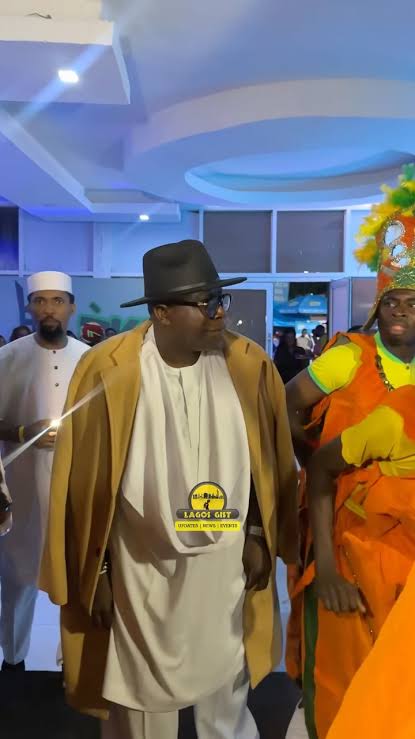
Gbenga Adeyinka
Beyond the spectacular performances, celebrity appearances, music, fashion and political colour that characterised the evening, however, was a much bigger story: the remarkable journey of a man whose over three decades in entertainment have helped move comedy from an art that once struggled for recognition, acceptance, sponsorship and premium performance platforms to a respected entertainment business commanding corporate investment, political attention, royal presence and the patronage of influential Nigerians.
Indeed, watching Adeyinka make a grand, almost royal entrance, accompanied by a traditional-sounding band and a distinctly Lagos musical signature, one could hardly miss the symbolism of how far the Nigerian comedy industry has travelled. That a comedian could command such an elaborate reception, attract the attention of political officeholders, corporate organisations, influential personalities and entertainment royalty speaks volumes about the status the art form has acquired.
Yet, such recognition did not come overnight. Behind the flamboyance, confidence, polished delivery and commanding stage presence lies a journey that would have demanded uncommon courage, persistence, ingenuity and an extraordinary belief in an art form that was not always accorded the respect it enjoys today.
Rewind to the early years of Nigerian stand-up comedy, and the picture was considerably different. Comedy had yet to acquire the corporate backing, premium entertainment platforms, institutional recognition and commercial appeal that now define the industry. For many practitioners, securing invitations to prestigious events, convincing event organisers to pay for their performances and attracting sponsors for independently organised comedy shows would have been difficult battles.
Furthermore, comedians had to contend with a society that did not always regard comedy as a serious profession or a sustainable career. What many now celebrate as a lucrative entertainment business was, for its early practitioners, an uncertain creative pursuit that required considerable personal sacrifice, relentless self-promotion and the willingness to keep going even when the financial rewards and public recognition were far from guaranteed.
Against that background, Adeyinka’s consistency, rugged determination, creative versatility and resilience deserve particular commendation. Rather than merely pursuing comedy as a means of entertainment, he invested years in developing a recognisable identity, building audiences, creating platforms and expanding the possibilities of what a comedian could achieve.
Through Laffmattazz, he demonstrated that comedy could become more than an occasional performance inserted into musical concerts, social gatherings or corporate events. It could stand independently as a major entertainment property, attract substantial audiences, secure corporate partnerships and provide a platform for other creative talents to showcase their abilities.
Significantly, the evolution of Laffmattazz into an established comedy brand also reflects the commercial possibilities that Adeyinka and other pioneers helped create for the industry. Today, brands increasingly recognise comedy as an effective vehicle for audience engagement, cultural connection, experiential marketing and consumer interaction. Corporate organisations now associate with comedy shows, comedians secure premium performance engagements, and audiences are willing to pay for entertainment experiences that once struggled to attract comparable attention.
More than the financial rewards, however, the transformation is evident in the social standing of the profession. The sight of governors, political officeholders, traditional institutions, business executives and other high-profile personalities making time to attend comedy events, sometimes securing tickets ahead of the occasion, illustrates the remarkable distance the industry has travelled.
Indeed, the presence of such personalities at Laffmattazz was a reminder that comedy has acquired a cultural influence that extends beyond the stage. It has become a meeting point for entertainment, business, politics, marketing, lifestyle and social engagement.
Equally commendable is Adeyinka’s contribution to nurturing other talents and creating opportunities for emerging comedians. His journey has not been exclusively about building a personal brand; it has also involved providing a platform through which other entertainers can develop, gain visibility and connect with wider audiences. His willingness to share the stage, celebrate fellow practitioners and encourage younger talents reflects a mentorship spirit that remains important to the industry’s continued growth.
Notably, the transformation of Nigerian comedy into the vibrant, commercially attractive and increasingly sophisticated industry it has become today cannot be attributed to one individual alone. Several pioneers and practitioners have contributed their talents, creativity and years of sacrifice. Nevertheless, Adeyinka’s consistency, enterprise and determination have earned him a distinctive place in that evolution.
At the 2026 grand finale, that sense of appreciation was particularly evident as he acknowledged the presence of Ali Baba, widely regarded as one of the foremost pioneers of modern Nigerian stand-up comedy. His recognition of the comedy veteran reinforced the importance of remembering those whose contributions helped establish the foundations upon which today’s generation continues to build.
Beyond celebrating his career and the wider comedy industry, Adeyinka also used the occasion to reconnect with a city that played a significant role in shaping his professional journey.
This year’s edition, themed Laffmattazz with Gbenga and Friends: Lagos – The Next Chapter, was deliberately dedicated to Lagos, the city whose audiences, entertainment spaces and cultural diversity provided some of the stages and experiences that helped nurture his craft. The finale, tagged Lagos Gets the Last Laugh, therefore carried an unmistakable message of gratitude, recognition and renewed connection.
In a particularly nostalgic moment, Adeyinka invited members of the audience to mention Lagos locations and neighbourhoods according to the letters of the alphabet, turning the exercise into an entertaining celebration of the city’s geography, identity and shared memories.
There was something deeply symbolic about the gesture. Having built a substantial part of his career in Lagos, he returned to celebrate the city and acknowledge the role it played in his journey. As the popular local saying goes, a chicken does not forget the person who sheltered it during the rainy season. Adeyinka’s decision to dedicate the edition to Lagos was a fitting expression of appreciation for the environment that helped nurture his career.
Adding a political dimension to the evening was the presence of Dr Kadri Obafemi Hamzat, Lagos State Deputy Governor and 2027 governorship aspirant, alongside Princess Damilola Sonayon-James, his selected deputy governorship running mate. Their attendance brought another layer of political engagement to an event that already blended entertainment, culture, business and social interaction.
Meanwhile, the 2026 edition also demonstrated how far comedy entertainment has evolved as a platform for brand partnerships and experiential marketing. The presence of numerous corporate brands and sponsors reinforced the commercial attractiveness of Laffmattazz, with FirstBank serving as the lead sponsor and official tour partner.
For an entertainment property that has grown through years of consistency, audience cultivation and creative reinvention, such corporate participation represents a significant development. It also illustrates how comedy has become an increasingly valuable channel through which businesses can connect with consumers in an atmosphere of shared enjoyment and cultural relevance.
Just as a good cook invests time, patience and attention in selecting ingredients and preparing a memorable meal, Adeyinka’s longevity in the entertainment business reflects years of deliberate cultivation, experimentation, relationship-building and creative refinement. His ability to combine comedy with music, fashion, culture, audience participation and brand engagement has helped give Laffmattazz an identity beyond conventional stand-up performances.
Notably, the Lagos finale also marked the conclusion of a tour that had travelled through Ibadan, Akure, Calgary, London, Ontario, Toronto and Abeokuta, extending the Laffmattazz experience to audiences across Nigeria and the international Nigerian community.
The event further coincided with the 15th anniversary year of Laffmattazz and more than three decades of Adeyinka’s career in entertainment, making the occasion as much a celebration of endurance as it was an evening of laughter.
For Adeyinka, the applause, grand entrance, corporate recognition, influential guests and commanding audience response represented more than the success of another comedy show. They offered a glimpse into the possibilities created by years of commitment to a craft that has undergone a remarkable transformation.
No doubt,, his journey provides an important reminder that industries do not become prestigious overnight. Behind every respected profession are individuals who dared to pursue their passion when recognition was limited, opportunities were uncertain and the rewards were not guaranteed. Through persistence, creativity, enterprise and a willingness to create opportunities for others, Adeyinka has helped demonstrate that comedy can command respect, create wealth, influence culture and open doors across different sectors of society.
Also, perhaps, one of the most rewarding parts of his journey is that the art he has spent decades nurturing now enjoys a level of acceptance, commercial value and public recognition that earlier generations of comedians could only have hoped to see.


Comment
No comments found.