


The technology works perfectly. That’s the problem.
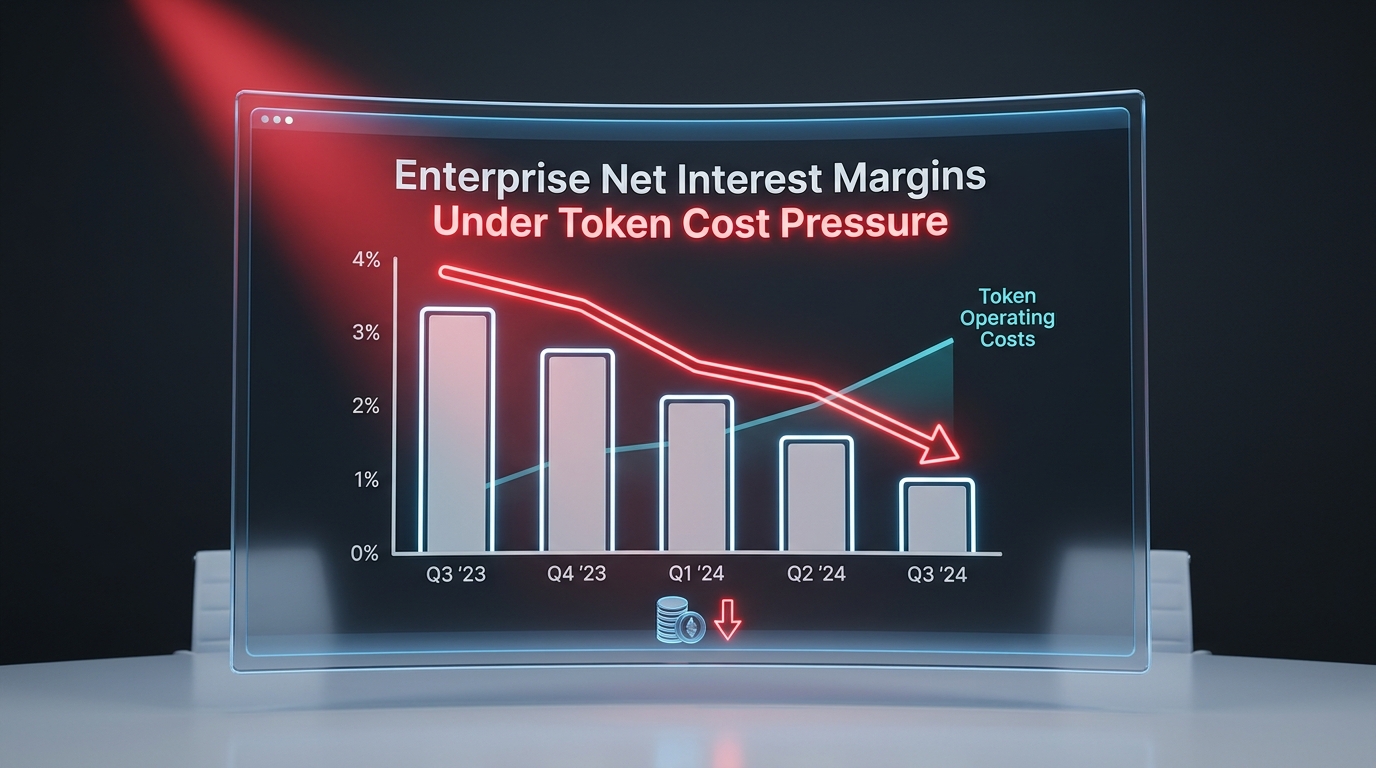
Microsoft deployed Claude Code to thousands of engineers, watched adoption climb to 84-95 per cent within weeks, then cancelled most licences by June when per-engineer monthly costs reached $500-$2,000. The company didn’t pull back because the tool failed. It pulled back because success itself became unsustainable.
Uber’s story proves this wasn’t isolated. The company burned through its entire planned 2026 AI coding budget by April, four months into the fiscal year. Individual engineers spent between $500-$2,000 monthly on tokens. Chief Technology Officer Praveen Neppalli Naga publicly disclosed the uncomfortable maths: the company had exhausted its annual allocation before spring ended. Yet 70 per cent of code committed at Uber now originated from AI assistance, and one in ten backend updates shipped with zero human intervention. The technology delivered exactly what it promised. The bill arrived before the year did.
These aren’t isolated budget miscalculations. They’re symptoms of fundamental economics breaking down across AI infrastructure.
The unsustainable loop
Tech giants have constructed what appears to be a profitable ecosystem, masking underlying insolvency. The structure works like this: Microsoft invests billions in Anthropic and OpenAI. Anthropic and OpenAI spend that capital on cloud computing infrastructure, primarily from Microsoft’s Azure and Amazon’s AWS. Microsoft and Amazon book that spending as customer revenue. Stock markets reward them for “record profits”. The loop completes when investors see growth rates, valuations climb, and new funding rounds occur at higher valuations, enabling continued spending.
This functions perfectly until spending exceeds incoming capital. That moment is arriving.
OpenAI generates approximately $25 billion in annual revenue whilst spending roughly $50 billion, a gap covered by investor capital that continues to arrive. Anthropic’s annualised revenue reached $19 billion, approaching OpenAI’s figures, yet its economics remain similarly unsustainable without sustained investor backing. The companies aren’t hiding this. Disclosure documents explicitly state burn rates. Wall Street reads them and continues funding anyway because growth trajectories appear unstoppable.
The problem is that growth trajectories built on burning capital aren’t growth. They’re the consumption of finite resources on a predetermined schedule.
The adoption paradox
Here’s the cruel irony: the technology works so well that adoption rates prove the economics impossible.
When engineers voluntarily use Claude Code at 95 per cent adoption rates, they generate token costs that exceed what enterprises can sustainably fund. When Uber engineers generate 70 per cent AI-written code, the company demonstrates capability whilst proving it cannot afford that capability.
Gartner placed generative AI in the “trough of disillusionment”, predicting 25 per cent of 2026 AI budgets will slip into 2027 as proofs of concept die during procurement. Only 28 per cent of AI infrastructure projects fully deliver against their business cases. The gap between technical capability and economic viability is widening, not narrowing.
Who survives?
The companies that built their own infrastructure, Microsoft with GitHub Copilot, Amazon with internal tools, and Google with Gemini, possess a structural advantage. They can redirect engineers from expensive external APIs towards cheaper internal alternatives, accepting some capability reduction in exchange for sustainability.
Companies without infrastructure advantages face harder choices: continue burning capital and hope valuations remain elevated enough to support fundraising; curtail AI tool usage despite productivity benefits; or accept that current AI economics require tools that cost more than the human employees they are meant to assist.
The AI boom has delivered exactly what venture capital funded: exponential adoption curves and unsustainable unit economics.
Now comes the part venture capital does not fund: the reckoning.
The technology works. The question is whether anyone can afford it.
The answer to that question will determine which companies own the next decade, and which ones simply helped finance it before collapsing.
ALSO WATCH:MARKETING EDGE ONTV




Comment
No comments found.