


For years, brands have competed for consumer attention. Now, they may increasingly have to compete for the attention of something else: artificial intelligence agents making decisions on behalf of consumers.
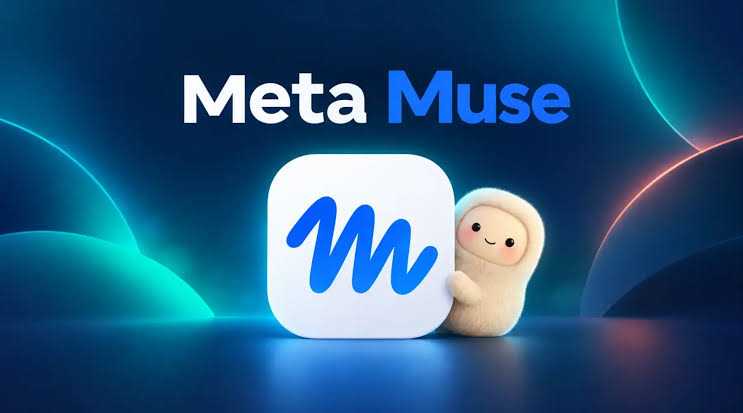
Meta has launched Muse, a personal AI agent designed to move beyond answering questions to actually completing tasks. The agent can send emails, book travel, fill out forms, make purchases and work across connected applications. It can also remember user preferences and continue working in the background, returning when it needs approval or when circumstances change.
While the technology is currently rolling out in the United States, its implications extend far beyond the product itself. For marketers, Muse represents another step towards a future where consumers may not personally conduct every search, comparison or transaction.
Traditional marketing is built around influencing people. Brands invest in advertising, social media, search visibility, influencers and experiences designed to move consumers from awareness to consideration and, ultimately, purchase.
AI agents could introduce another layer into that journey. If an agent can compare products, evaluate options, check prices, complete forms and make purchases, brands may first need to convince the agent that their offering is relevant before it reaches the consumer.
That changes the meaning of discoverability.
For years, marketers have focused on making brands visible to humans. The next challenge could be making brands understandable and trustworthy to AI systems. Product information, pricing, availability, reviews, policies, delivery options and customer experience could become increasingly important as AI agents make decisions on behalf of users.
In that environment, a beautiful campaign may still attract attention, but accurate information and a dependable customer experience could determine whether a brand makes it onto an AI-generated shortlist. Right there is another significant shift.
Personalisation has traditionally meant recommending what a consumer might like. Agentic AI takes that a step further by acting on those preferences. Meta says Muse can remember details about users and use them to carry out tasks, including turning a saved Instagram recipe into a grocery list.
That means AI is moving from helping consumers make decisions to potentially executing those decisions for them.
For marketers, this makes trust even more critical. If an AI agent is going to interact with a brand, make a purchase or communicate with it on a consumer’s behalf, reliability cannot be separated from brand reputation.
Muse is currently US-only, but its development points towards a broader shift in digital behaviour. Meta has also said the agent will come to its AI glasses, while its integration with WhatsApp places it within an ecosystem already deeply embedded in everyday communication.
For brands, the lesson is clear: the future of marketing may not simply be about winning human attention. It may also be about becoming the brand an AI agent trusts enough to recommend, select and transact with.
The brands preparing for that shift will not just optimise for clicks and impressions. They will optimise for relevance, credibility, data, experience and trust.
Because when AI starts shopping for consumers, marketers may have to learn how to market to the machine standing between the consumer and the brand.
ALSO WATCH: MARKETING EDGE ONTV


Comment
No comments found.