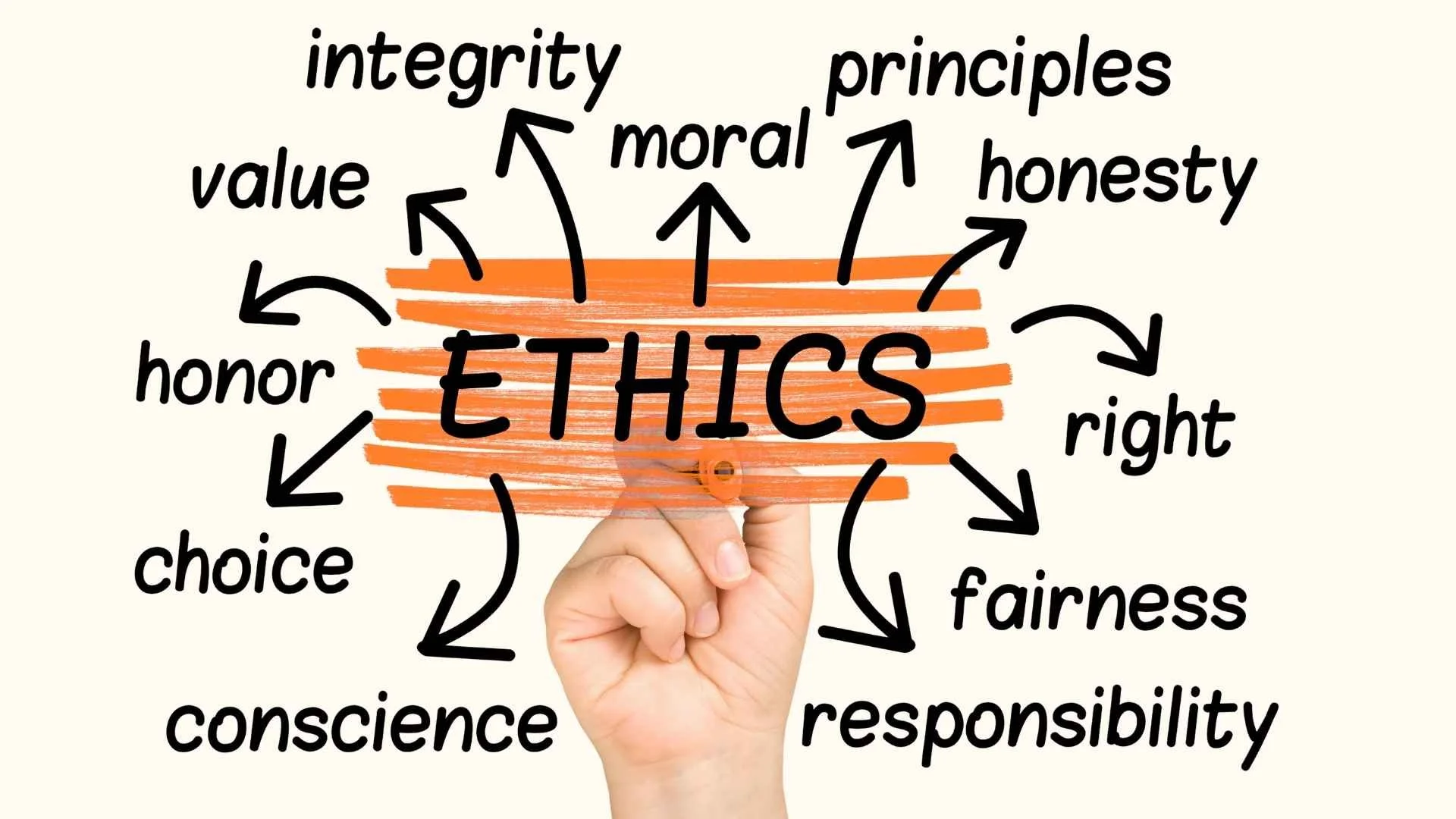


Ethical consumption is rapidly moving from a niche preference to a mainstream purchasing driver, as consumers increasingly demand greater transparency, sustainability, and social responsibility from the brands they support.
However, consumers around the world are increasingly rewarding brands that demonstrate a commitment to sustainability, ethical sourcing, and social responsibility, a trend that is driving strong growth in the global ethical labels market.
According to a report by IMARC Group, the market was valued at USD 1.19 trillion in 2025 and is expected to reach USD 1.91 trillion by 2034, expanding at a compound annual growth rate of 5.22 percent between 2026 and 2034.
Again, the report notes that growing awareness of environmental protection, fair trade practices, animal welfare, and responsible production is reshaping buying habits. Consequently, consumers are paying closer attention to certifications and labels that verify a product’s ethical credentials.
Furthermore, businesses across the food and beverage, fashion, beauty, and personal care sectors are increasingly adopting ethical labels to strengthen consumer trust and differentiate their offerings in a competitive marketplace. At the same time, governments and regulatory bodies are encouraging greater transparency and sustainability, further accelerating adoption.
In essence, IMARC Group also highlights the growing influence of Millennials and Generation Z, who are increasingly choosing brands that reflect their values. In addition, social media and digital platforms are amplifying consumer awareness and placing greater pressure on companies to demonstrate accountability.
ALSO WATCH:MARKETING EDGE ONTV WITH YBO
Meanwhile, technological advancements such as blockchain and artificial intelligence are improving supply chain transparency, enabling brands to verify ethical claims and build stronger relationships with consumers.
Regionally, Asia Pacific remains the largest market, supported by rising incomes, a growing middle class, and increasing demand for sustainable products in countries such as China, India, and Japan.
Although, across North America and Europe also continue to record strong demand, driven by environmentally conscious consumers and supportive regulatory frameworks.
Also, the report identifies food products as the leading category within the ethical labels market, while halal certification remains the dominant label type globally due to growing demand for products that meet recognised quality, safety, and lifestyle standards.
Meanwhile, according to IMARC Group, the continued shift toward values driven consumption is expected to keep ethical labeling at the forefront of brand strategy, as consumers increasingly seek products that align with their environmental and social expectations.
ALSO WATCH:MARKETING EDGE ONTV WITH DEMILADE



Comment
No comments found.