
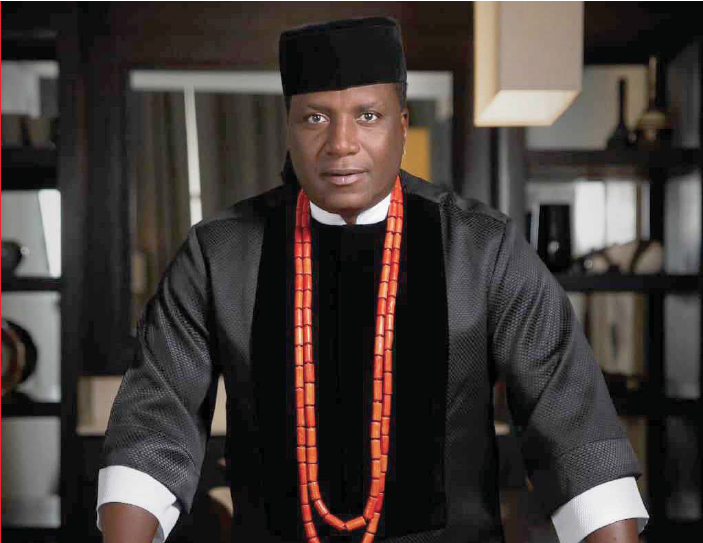


The Pitcher Festival of Creativity has elevated Nigerian creative leader, Steve Babaeko, CEO/CCO, X3M Ideas and Vice President, Area Director for Africa, IAA to serve as Entertainment Jury President for its 2026 edition, reinforcing the festival’s commitment to amplifying African storytelling across film, audio, music, sport, live experiences and media promotion.
By placing Babaeko at the centre of one of its most culturally influential categories, the festival is not only recognising his creative authority but also signalling a deliberate shift toward stronger African participation in shaping entertainment-led brand narratives globally.
Across more than two decades in marketing communications, the X3M Ideas founder has consistently positioned creativity as a strategic growth engine rather than a decorative output. Consequently, his appointment reflects a career built on cultural intelligence, bold experimentation and a sustained push to ensure African creativity travels confidently across borders.
Importantly, Babaeko has long argued that storytelling from the continent must move beyond visibility and step into influence. Through this lens, his new role at Pitcher Festival becomes more than a jury assignment. Instead, it becomes a platform to champion work that entertains audiences while also shaping conversations, identities and commercial outcomes.
Throughout his professional journey, he has repeatedly demonstrated a belief that creativity must sit at the intersection of culture, strategy and economic value. That conviction explains why he continues to advocate for stronger collaboration between African creators and global institutions. It also explains why he consistently encourages agencies to translate cultural authenticity into exportable creative capital.
Over time, Babaeko has come to understand that African storytelling already possesses global relevance. However, he insists that relevance must now convert into structured opportunity. Therefore, he continues to push creatives to think beyond local applause and instead pursue international competitiveness anchored in originality and discipline.
His advocacy extends even further. He frequently challenges outdated narratives that frame Africa within dependency conversations rather than growth conversations. Instead, he promotes a forward-facing partnership model between regions such as the United Kingdom and Africa, one shaped by trade, culture and shared innovation rather than inherited vocabulary from earlier eras. According to him, the future of both regions depends less on memory and more on mutual ambition.
Equally significant is his long-standing argument that culture often succeeds where policy moves slowly. By highlighting the global rise of Afrobeats and the expanding reach of African film, fashion and digital expression, he continues to demonstrate how creative industries already function as bridges between markets long before formal agreements emerge.
At the same time, Babaeko consistently urges Nigerian creatives to protect their cultural advantage. He believes strongly that professionals must remain unapologetically local in identity while simultaneously becoming confidently global in execution. In his view, the continent’s cultural depth remains its strongest competitive edge in the international marketplace.
His leadership philosophy also emphasises adaptability. As technology rapidly reshapes communication ecosystems, he continues to encourage agencies and brands to evolve quickly, experiment boldly and respond strategically to change rather than resist it.
Indeed, that mindset has helped position him as one of the continent’s most respected voices on creativity, innovation and resilience in modern brand building.
Not surprisingly, the Pitcher Festival’s decision to appoint him Entertainment Jury President aligns closely with its broader vision of celebrating work that resonates emotionally, travels culturally and performs commercially.
With Babaeko guiding the category, expectations are rising that African entertainment-driven campaigns will gain sharper global visibility and stronger professional recognition.
His appointment therefore reflects more than personal achievement. It signals a wider transition already underway across the creative economy, one in which African professionals are no longer simply participating in global conversations but actively shaping them.




Comment
No comments found.