
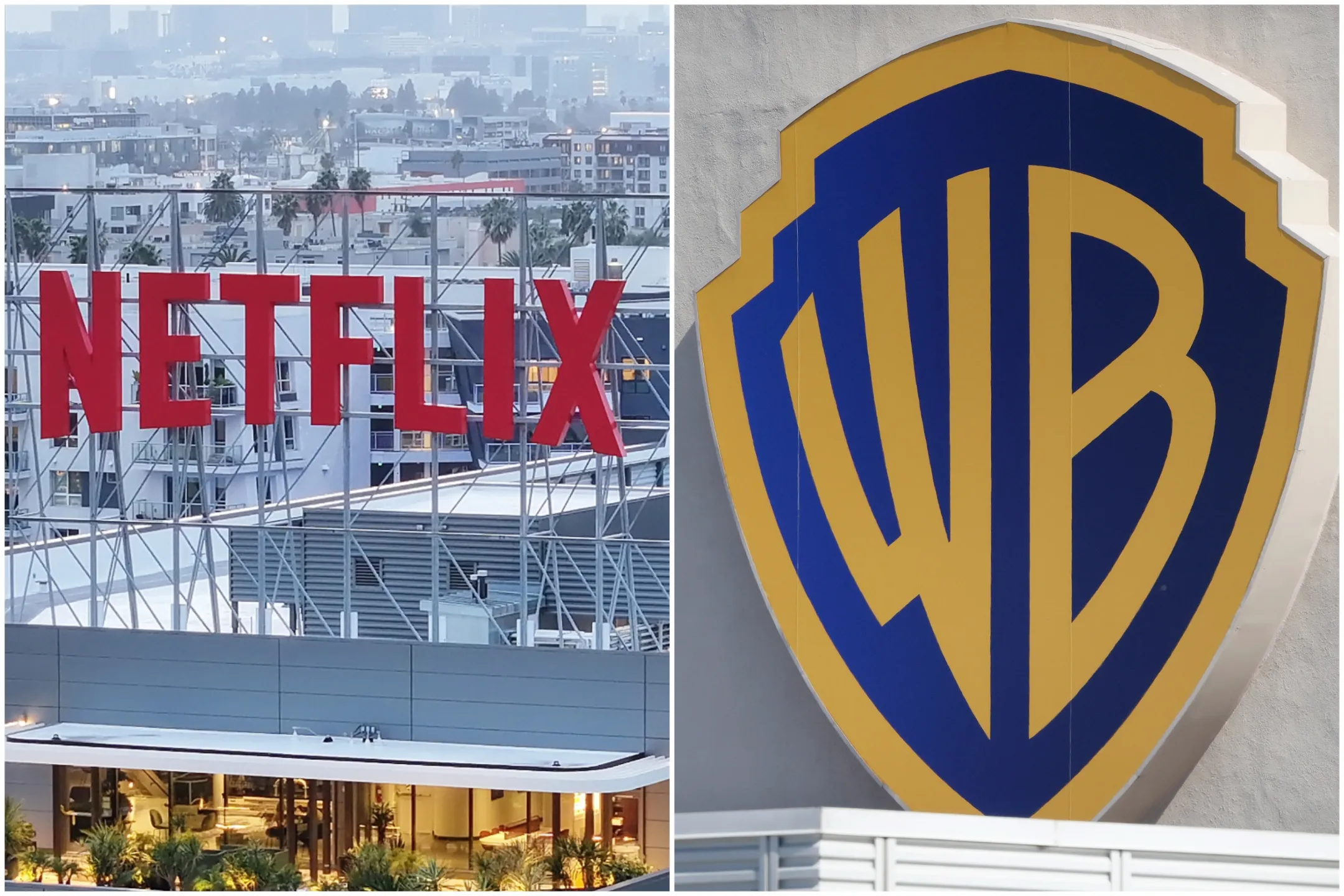


Netflix withdrew from the bidding war to acquire Warner Bros Discovery’s studio and streaming assets in February 2026 after Paramount Skydance offered a superior $31 per share proposal compared to Netflix’s $27.75 per share deal. Paramount agreed to pay the $2.8 billion breakup fee that WBD would have owed Netflix for the existing agreement. Rather than pursuing content acquisition through merger, Netflix announced it expects to generate $3 billion in advertising revenue during 2026, doubling the $1.5 billion achieved in 2025, whilst positioning the advertising segment as a key driver of future growth rather than content library expansion through acquisition.
The strategic pivot reveals a fundamental recalculation about how streaming platforms create value. The traditional model assumed content ownership drove subscriber acquisition which generated subscription revenue. New model recognises advertising monetisation can generate comparable or superior revenue per user whilst simultaneously lowering the barrier to entry through a cheaper ad-supported tier that accelerates subscriber acquisition. Netflix’s ad-supported plan now captures over 60 per cent of new sign-ups in markets where the tier is available, demonstrating that price-sensitive consumers prefer subsidised subscription cost over a premium ad-free experience.
The advertiser base expansion validates the commercial viability of the advertising strategy. Netflix grew its advertiser count by more than 70 per cent year-over-year in 2025 to exceed 4,000 advertisers. Co-CEO Gregory Peters stated: “That expansion is a key indicator of the health of the business.” The metric matters because advertiser diversity prevents revenue concentration risk whilst demonstrating that brands across categories view Netflix inventory as valuable enough to justify spending rather than merely experimental budget allocation testing new platforms.
The decision to abandon the WBD acquisition demonstrates confidence that the advertising revenue growth trajectory exceeds the value that content library expansion would deliver. Co-CEO Ted Sarandos described the WBD deal as “nice-to-have, not a need-to-have,” positioning withdrawal as a strategic choice rather than a competitive loss. The framing matters because it redefines Netflix’s growth strategy from horizontal expansion acquiring competitors’ content libraries to vertical integration building an advertising infrastructure that monetises existing content more effectively.
The financial performance supporting the advertising focus shows the business model transformation is succeeding. Netflix reported Q1 2026 revenue of $12.3 billion, up 16 per cent year-over-year, driven by a combination of subscriber growth, price increases, and advertising tier expansion. Full-year revenue guidance projects $50.7 billion to $51.7 billion. Within that total revenue, advertising’s $3 billion represents approximately 6 per cent. But trajectory matters more than current proportion—advertising doubled from 2025 to 2026 whilst subscription revenue grew more modestly.
The 190 million monthly active viewers on the ad-supported tier provide the scale that advertisers demand. Premium content attracts audiences that advertising-supported platforms struggle to reach through user-generated content or licensed programming. Netflix’s reputation as a provider of premium video content amid a “sea of video inventory of questionable quality” according to industry analysts creates pricing power for advertising inventory that competitors cannot match without comparable content investment.
For Nigerian marketers evaluating streaming advertising opportunities, Netflix’s strategic shift demonstrates that platform scale and content quality matter more than geographic market size. Whilst the ad-supported tier launched in 12 countries including the United States and the United Kingdom, expansion to additional markets depends on advertising infrastructure maturity rather than subscriber base size. The delay signals that Netflix prioritises revenue per ad-supported user over total ad-supported subscriber count.
The longer-term projection reveals advertising ambition extending beyond near-term revenue targets. Research firm Omdia projects Netflix will reach $8 billion in annual advertising revenue by 2030. The forecast assumes continued growth in ad-tier adoption, improved fill rates, increased advertising format availability, enhanced targeting and measurement capabilities, and rising CPMs as inventory scarcity increases relative to advertiser demand.
Co-CEO Peters acknowledged ad-supported subscribers currently generate less revenue per user than ad-free subscribers, framing the gap as “an opportunity rather than a problem” because narrowing the differential represents upside potential as advertising monetisation improves. The calculation assumes Netflix can increase revenue per ad-supported user through better inventory monetisation faster than it loses revenue from subscribers downgrading from premium tiers.
The strategic contrast with competitors reveals different approaches to advertising integration. Amazon shifted Prime Video subscribers onto ad-supported plans by default, prioritising rapid advertising revenue growth over subscriber satisfaction. Netflix maintained subscriber choice, accepting slower ad-tier adoption to preserve goodwill. The patience reflects confidence that superior content drives acquisition whilst advertising infrastructure improves monetisation without forcing migration that risks cancellations.
For streaming platforms evaluating growth strategies, Netflix’s decision to abandon content acquisition whilst doubling advertising investment demonstrates that owning distribution infrastructure and audience relationships matters more than owning content libraries when advertising provides an alternative monetisation mechanism that subscription-only models cannot access. The $2.8 billion breakup fee from the failed WBD deal provides additional capital for content investment and technology development, proving that walking away from an acquisition sometimes generates more value than completing it.
ALSO WATCH:MARKETING EDGE ONTV



Comment