


Workers’ Day arrived with brands reminding Nigerians that rest still feels like something you must justify before enjoying. Eight campaigns revealed which brands understood the assignment and which simply showed up.
Nigerian Breweries played it safe with “Cheers to every role, every effort,” showing beer pouring while workers appeared in the background. The execution worked because it was inoffensive. Celebrating everyone excluded nobody. But generic inclusivity created forgettable creative. When every profession gets equal acknowledgement, no worker feels specifically seen. The beer visual connected product to celebration without forcing a metaphor. Competent, but lacking insight.

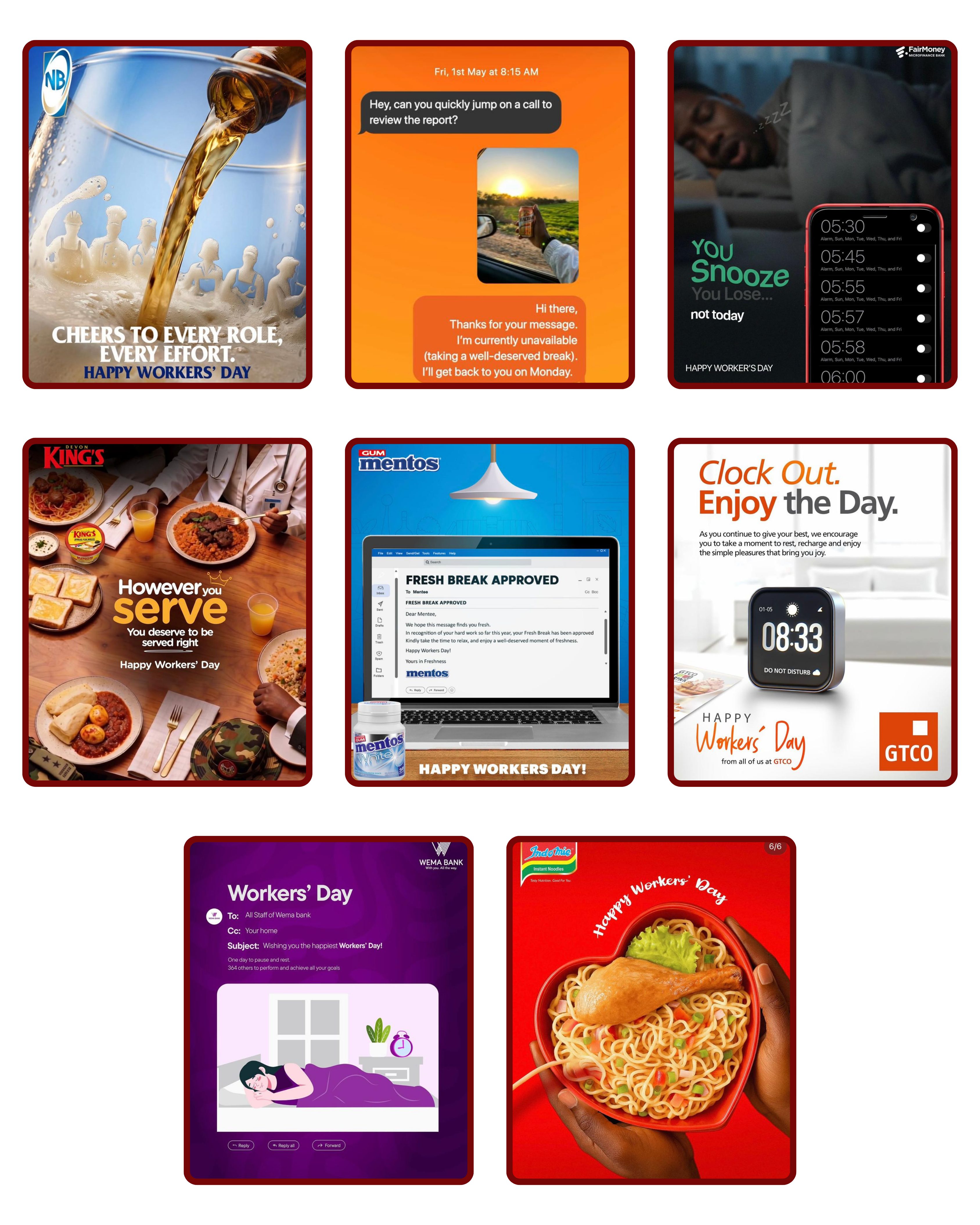
Maltina created an auto-reply message: “Hi there, thanks for your message. I’m currently unavailable (taking a well-deserved break). I’ll get back to you on Monday.” The AR filter positioned Maltina as a tool enabling workers to set boundaries. It worked because it provided utility. Workers could use the filter to signal they were offline while embedding the brand into the rest narrative. The “well-deserved break” language granted permission many workers need. It was the most strategic execution because it functioned as both campaign and tool.
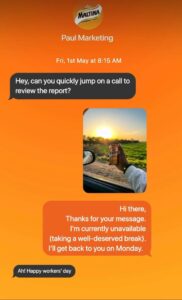
FairMoney declared “You snooze, you lose… not today,” alongside a phone screen showing alarms from 05:30 to 06:00. The creative inverted hustle culture messaging typically associated with financial services. Acknowledging that sleeping past 6am does not equal failure showed cultural awareness. The alarm visual grounded the message in behaviour. You could literally sleep later. It worked because it named a real anxiety.
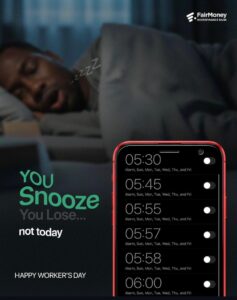
Devon King’s announced “However you serve, you deserve to be served right,” with a breakfast spread. The role reversal worked because service workers understand labour intimately. When a brand that serves customers reframed consumption as self-care, it created permission. The breakfast angle was strategic. Many Nigerians cook for families on holidays. Devon King’s positioned itself as an escape from that labour. Product integration felt natural.
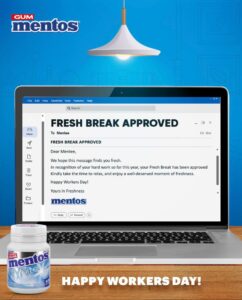
Mentos produced “Fresh Break Approved,” showing an email where a manager approved leave. The execution acknowledged that many Nigerian workers still rely on institutional validation to rest. By visualising approval, Mentos legitimised rest through authority. The “fresh break” language tied back to the brand while maintaining relevance. It worked because it reflected workplace reality.
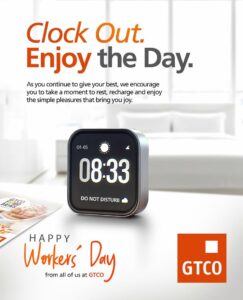
GTCO stripped its creative to essentials: a clock showing 08:33, a “DO NOT DISTURB” message, and the line “Clock Out. Enjoy the Day.” The minimalism demonstrated confidence. While others overexplained, GTCO relied on recognition. The restraint made it memorable. The message gave workers language to set boundaries, anchored in a specific moment.
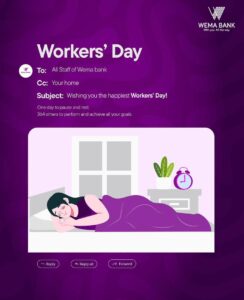
Wema Bank used an email format: “To: All Staff… Cc: Your home… Subject: Wishing you the happiest Workers’ Day! One day to pause and rest. 364 others to perform.” The corporate memo aesthetic targeted desk workers. It worked for that segment but excluded those outside formal office structures. The format limited its reach despite a clear message.
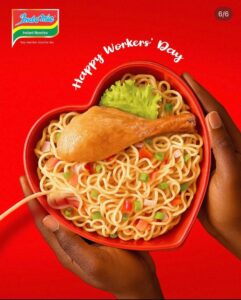
Indomie stood out with a product-led execution. Noodles were shaped into symbols representing professions: a wrench, headphones, a chef’s hat, a stethoscope. The line “Behind every great profession is a heart fuelled by love” positioned the brand as energy behind work. Each profession got its own visual before resolving into a bowl of Indomie. The craft signalled respect. It was the most ambitious execution.





The collection showed that effectiveness depended on whether brands understood real worker experience. Permission-led campaigns resonated because they addressed actual anxieties. Generic celebration faded quickly. Product integration worked best when it felt natural. Maltina led by turning message into utility. When campaigns become tools people use, brands move from commentary to behaviour.
ALSO WATCH:MARKETING EDGE ONTV



Comment
No comments found.