


The path to reopening the world’s most important oil shipping lane just got considerably longer.
Oil prices rose sharply on Monday August 10, 2026, after Iran hardened its position on the Strait of Hormuz, setting six sweeping demands that must be met before the critical waterway reopens. Tehran is demanding the United States end its attacks on Iran and its regional allies, lift the naval blockade of Iranian ports, withdraw military forces from around Iran, lift all sanctions, unfreeze Iranian assets, and compensate Iran for war damages.
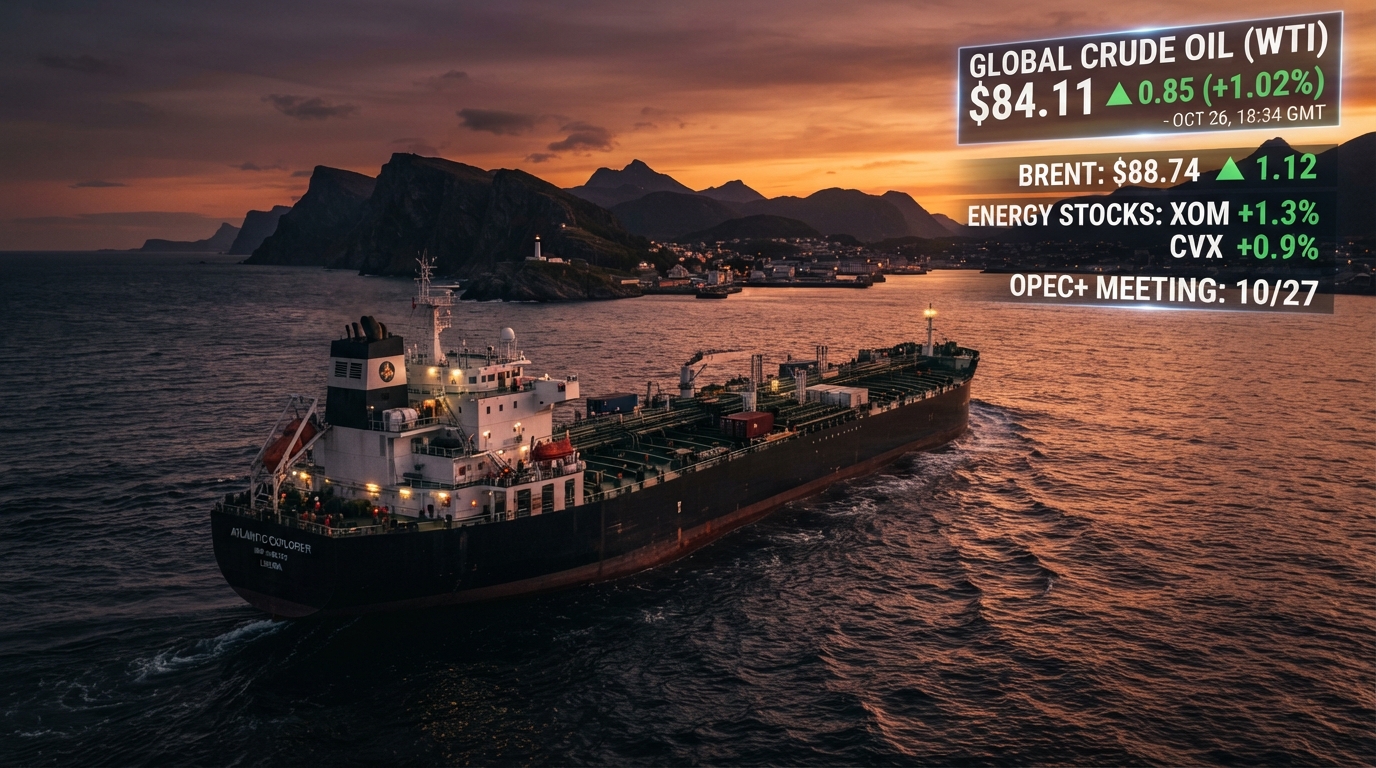
Brent crude, the international benchmark, rose more than one per cent as Tehran’s insistence that the waterway will not reopen without major concessions stoked market anxiety. Brent futures for October stood at $84.11 a barrel, up 0.7 per cent; about 16 per cent higher than before the start of the US-Israel war on Iran.
The demands effectively killed near-term hopes of a diplomatic resolution. Furthermore, Iran and Oman have signaled progress on a separate deal to manage safe passage through the strait, but Tehran has been explicit that a bilateral arrangement with Oman does not constitute a reopening of the waterway to all traffic. Consequently, the Strait of Hormuz, through which approximately 20 per cent of the world’s daily oil supply passes, remains effectively closed.
Meanwhile, pressure on Saudi Arabia’s energy infrastructure is intensifying from a second direction. Houthi rebels in Yemen claimed a drone attack on Saudi Aramco’s 400,000-barrel-per-day Jazan refinery on the Red Sea coast; the same facility that was shut down following a previous Houthi strike in late July, with Aramco estimating it would be operational again by mid-August. Additionally, the Houthis are targeting the port of Yanbu; currently handling the majority of Saudi Arabia’s oil exports, as well as compromising the kingdom’s alternative export channels on the Red Sea coast.
The combined effect of a closed Strait of Hormuz and sustained Houthi attacks on Saudi energy infrastructure represents a dual supply shock that energy markets have not experienced at this scale since the 1970s oil crisis.
For Nigeria, the implications continue to run in two directions simultaneously. Higher global oil prices strengthen federal revenue and improve the commercial position of the Dangote Petroleum Refinery. However, sustained disruption to global energy supply chains feeds directly into fuel costs, logistics expenses, and manufacturing inputs; compounding the inflationary pressures Nigerian businesses and consumers are already managing.
“The lack of concrete movement, together with lingering questions about the practical details of any agreement, is keeping a risk premium in the price,” said Tim Waterer, chief market analyst at KCM Trade.
With Iran’s demands far exceeding anything Washington has publicly indicated it would consider, and the Houthis showing no signs of standing down, the Hormuz standoff appears set to keep energy markets under sustained pressure well into the second half of 2026.
ALSO WATCH: MARKETING EDGE ONTV



Comment
No comments found.