
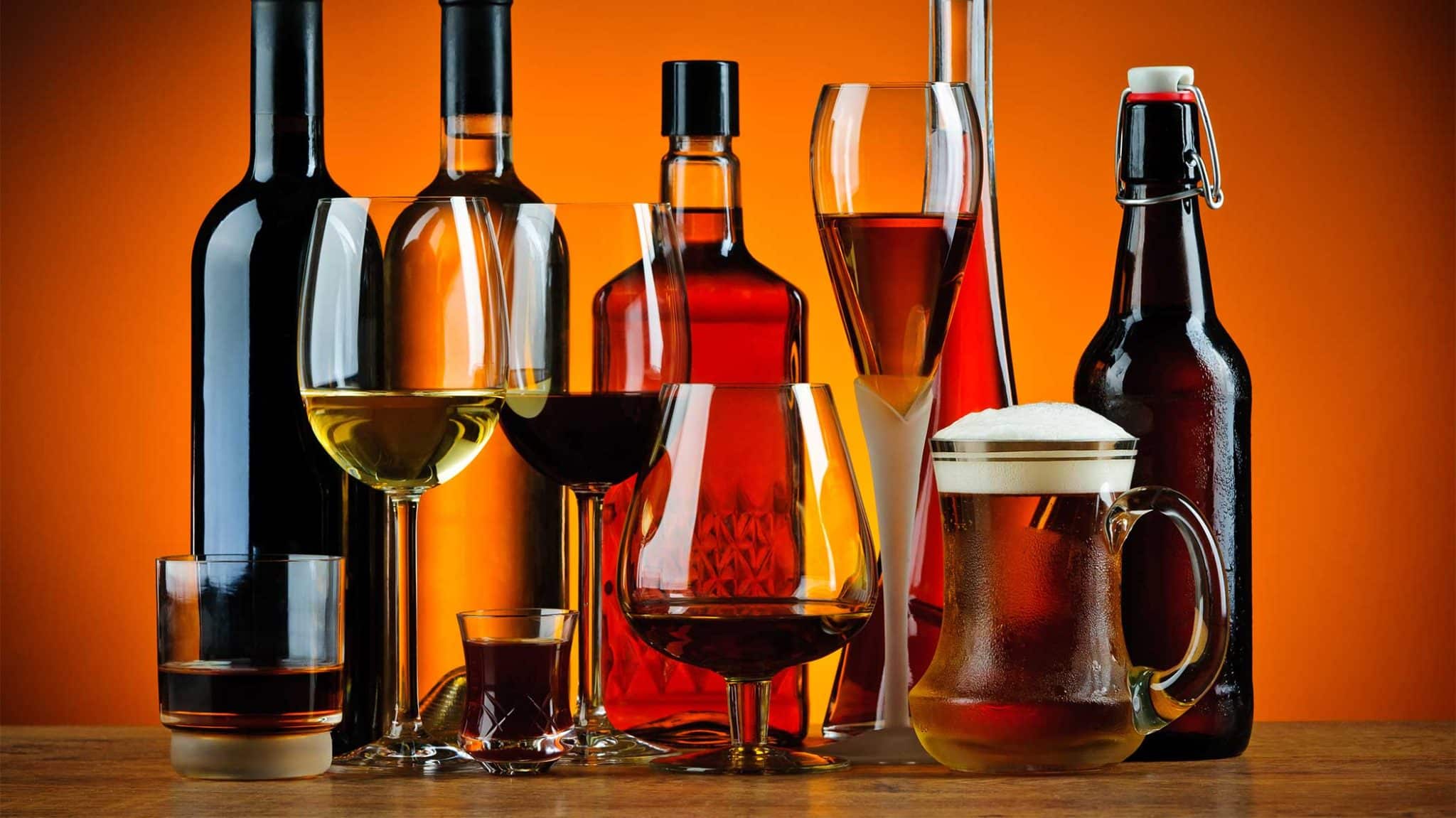




The global alcohol industry is heading into a period of significant transformation as consumers across many of the world’s largest drinking markets continue to cut back on alcohol consumption, prompting producers to rethink long standing growth strategies and adapt to rapidly changing preferences.
According to newly released projections by market intelligence firm IWSR, worldwide alcohol consumption is expected to remain under pressure throughout the next decade.
Although the global population of legal drinking age adults will continue to expand steadily, consumers are increasingly drinking less, creating fresh challenges for brewers, distillers and winemakers seeking to sustain growth.
Consequently, major drinks manufacturers are confronting a more complex business environment. Industry giants such as Diageo, producer of Johnnie Walker whisky, alongside brewing heavyweight Anheuser Busch InBev, owner of brands including Corona and Stella Artois, have already experienced weaker sales momentum since 2023. At the same time, investors have become more cautious, resulting in declining market valuations across much of the sector.
The industry’s current difficulties follow the strong rebound recorded after the pandemic. However, as inflationary pressures squeezed household budgets and living expenses climbed across numerous economies, consumers began reassessing discretionary spending.
Furthermore, growing health consciousness, evolving lifestyle choices and increasing interest in wellness have encouraged many people to moderate their alcohol intake.
In addition, the growing popularity of weight management medications has introduced another variable that industry observers believe could further influence drinking behaviour in the years ahead.
Against this backdrop, IWSR’s inaugural 10 year outlook covering 160 markets suggests that global alcohol volumes will continue trending downward for much of the forecast period.
More specifically, the research firm expects overall consumption to keep declining until at least 2031 before stabilising. Even then, total volumes in 2035 are projected to remain below 2025 levels despite a substantial increase in the number of adults legally permitted to consume alcohol.
Meanwhile, drinking patterns themselves are undergoing noticeable changes. Rather than maintaining previous consumption levels, consumers are expected to reduce the amount they drink on a per person basis. By 2035, annual alcohol intake per adult is forecast to decline by the equivalent of roughly two bottles of spirits or an entire case of wine each year.
As a result, industry leaders are being urged to respond proactively to shifting market realities. Marten Lodewijks, President and Managing Director of IWSR, noted that changing consumer expectations now represent one of the defining forces reshaping the sector. T
herefore, alcohol producers must innovate and adapt their portfolios instead of relying on strategies that delivered success in previous decades.
Moreover, traditional beverage categories are likely to face mounting competition. While spirits, beer and wine are all expected to record volume declines over the coming decade, alternative products such as ready to drink beverages and canned cocktails are steadily gaining consumer attention, particularly among younger adult drinkers seeking convenience and variety.
Geographically, the industry’s growth story is also changing. Historically dominant markets are expected to contribute less to future expansion.
In fact, alcohol consumption in China and the United States, currently the world’s two largest drinking markets, is forecast to decline by more than 18 percent by 2035. Likewise, Germany, Japan and the United Kingdom are projected to experience notable reductions in drinking volumes.
Nevertheless, several emerging markets are moving in the opposite direction and are expected to provide new opportunities for manufacturers. Most notably, India is poised to become one of the industry’s most influential growth centres. IWSR estimates that alcohol consumption in the country will surge by approximately 38 percent over the next decade.
Consequently, India is expected to overtake the United States and become the world’s second largest alcohol market by 2032, trailing only China.
Beyond India, several other developing economies are also expected to post strong gains. Consumption is projected to rise by about 26 percent in Colombia, while Vietnam could record a 15 percent increase. Similarly, Mexico is forecast to achieve growth of approximately 13 percent over the same period.
Taken together, these trends point to a profound shift in the global alcohol landscape. While overall consumption may continue to soften, growth opportunities are increasingly migrating toward fast expanding emerging markets.
Therefore, producers that successfully align with evolving consumer preferences, embrace product innovation and strengthen their presence in high growth regions are likely to gain an advantage in an industry undergoing one of its most significant transitions in decades.




Comment
No comments found.