
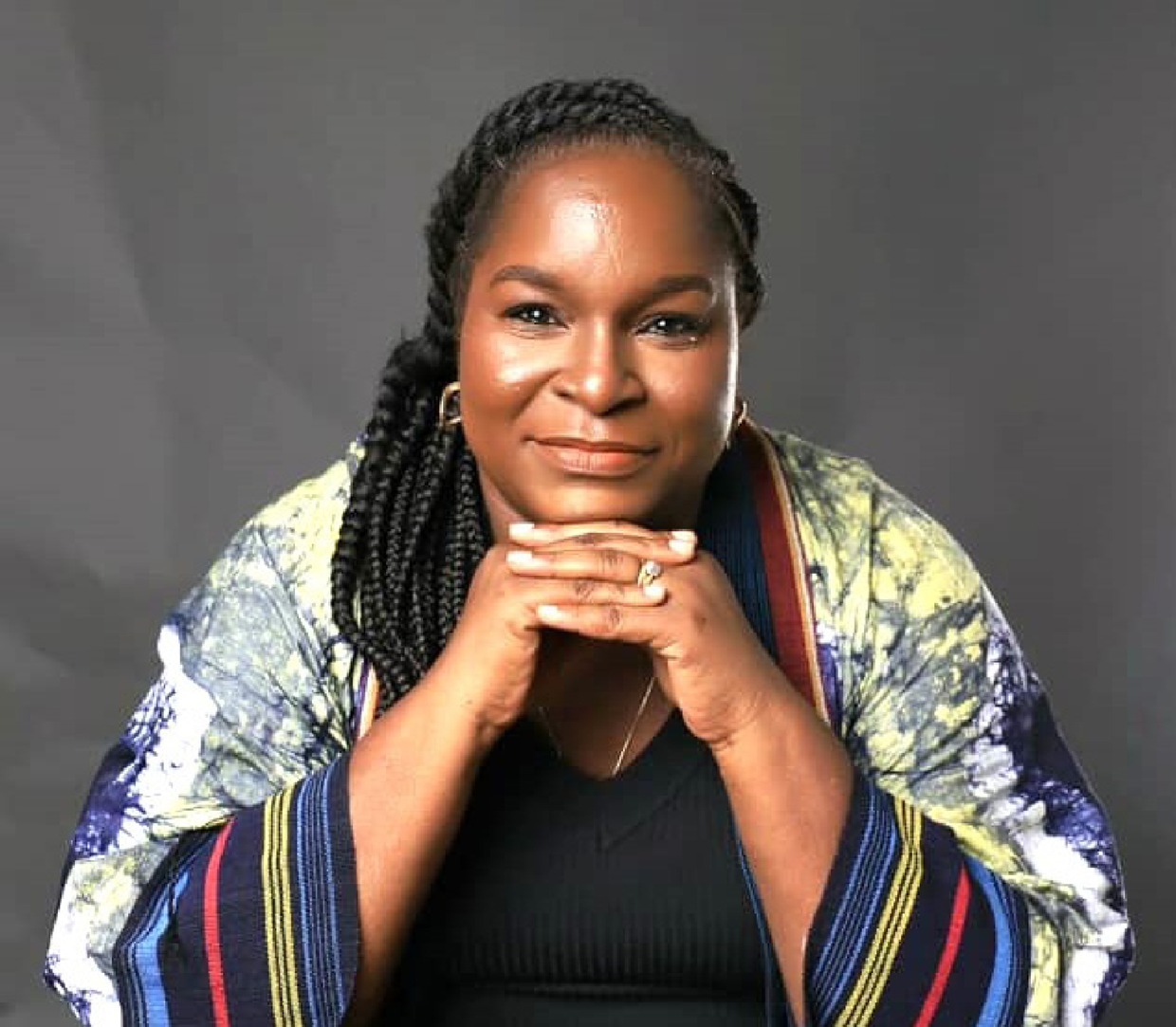


As political activities gradually gather momentum ahead of Nigeria’s next election cycle, media agencies may not experience the traditional surge in campaign spending that has historically accompanied election seasons, according to Brenda Nwagwu, chief executive officer of QVT Media and vice president, Media Independent Practitioners Association of Nigeria (MIPAN)
Speaking in an exclusive interview with MARKETING EDGE, Nwagwu said the country’s last general election departed significantly from the pattern of previous campaign cycles, with political communication spending falling short of expectations across the media ecosystem.
“During the last election, we did not really see what I would describe as normal political campaigns,” she said. “Traditionally, election years come with substantial campaign spending and a lot of awareness creation. That wasn’t exactly what happened. The flow of money into media and communication activities was not what many expected.”
According to her, the coming election period may witness a similar trend, with only a limited number of candidates likely to invest heavily in campaign communication.
“I think a lot of what we saw in the last election may be repeated. We may have a few people running visible campaigns, but many of them may not have the financial capacity to spend significantly. Those who have deep pockets may also choose different approaches.”
As a result, Nwagwu believes media agencies will continue to rely primarily on commercial brands rather than political advertising as a major source of growth.
“For us, the focus remains on brands. People still need food, healthcare and other basic necessities regardless of the political environment. Those are the categories that continue to drive communication and marketing activities.”
She noted that the difficult economic environment and rising insecurity have also affected consumer sentiment and overall market confidence.
“We are still operating in a country where many people face a low standard of living. Added to that is the level of insecurity. It is difficult for people to be optimistic when there are so many challenges around them.”
Nwagwu expressed concern over recurring cases of kidnapping, particularly involving children, describing them as incidents that have deepened the nation’s sense of anxiety.
“We just hope things begin to improve and that life can return to some level of normalcy for Nigerians.”
Despite these challenges, she sees encouraging signs within the corporate sector, pointing to growing investor confidence and increased business activity.
“What we have seen recently is a rise in local confidence in the market. While some multinational companies have exited, others have stepped in to acquire those businesses and continue operations.”
She cited examples of companies improving profitability and raising capital to expand production capacity, suggesting that many businesses are positioning themselves for future growth despite economic uncertainties.
“Although the economy has been a mixed bag, there is still a level of optimism within the corporate environment. Some companies have improved their numbers significantly, while others have successfully raised funds to support expansion.”
Nwagwu also highlighted the relative stability of the foreign exchange market as a factor contributing to improved business planning.
“For whatever reason, the exchange rate has been more stable recently. That stability helps businesses plan better from quarter to quarter, particularly manufacturers that rely on imported inputs.”
However, she cautioned that many industry players remain uncertain about whether the stability can be sustained beyond the election period.
“Some people believe the stability is linked to the elections. We will only know the true position after the elections. For now, businesses are benefiting from improved predictability and are making the most of it.”
On the long-standing issue of client-agency relationships, Nwagwu acknowledged that power imbalances still exist in many engagements within the marketing communications industry.
“Many relationships still begin with the perception that the client controls the budget and therefore controls the relationship. That reality has not completely disappeared.”
She attributed part of the challenge to varying levels of professionalism across the industry.
“Not everyone who claims to be practising media planning and buying is operating at a professional level. Sometimes decisions are made based on personal preferences rather than clear objectives and measurable outcomes. When that happens, clients do not always see the value agencies bring.”
Nevertheless, she believes sustained performance and professionalism can gradually transform those relationships.
“When agencies consistently contribute to brand growth and deliver results, respect follows. Over time, the relationship evolves into a more balanced partnership.”
Beyond business performance, Nwagwu also spoke about MIPAN’s commitment to promoting wellness across the industry through its annual Health Walk initiative.
According to her, the programme was created to encourage healthier lifestyles among practitioners while strengthening relationships between agencies, clients and industry stakeholders.
“We realised that many professionals were neglecting their health. There are increasing cases of hypertension, diabetes and other health challenges that could be better managed through greater awareness and healthier habits.”
She said the initiative has also become an important networking platform.
“It creates a neutral environment where people can connect beyond the pressures of business. You get to know people differently, and those relationships often translate into stronger professional collaborations.”
This year’s edition incorporates environmental sustainability, reflecting the growing recognition that environmental health and human well-being are closely connected.
“The environment directly affects our health. Many of the challenges we face today are linked to how we manage our surroundings. So even when we focus on environmental issues, we are ultimately talking about health and quality of life.”
Nwagwu then turned to upcoming Patrons’ Day, describing it as one of MIPAN’s most important relationship-building platforms. The event, she said, is meant to help media buying and planning agencies unwind, connect and network in a relaxed setting outside the pressures of business.
“It helps us make each other more neutral ground and help us get to know each other better,” she said. “As you make more friends and know people better, you know, it helps business.”
As the marketing communications industry prepares for another election cycle, Nwagwu remains cautiously optimistic, urging businesses and practitioners to focus on long term value creation while adapting to changing economic realities.



Comment
No comments found.