
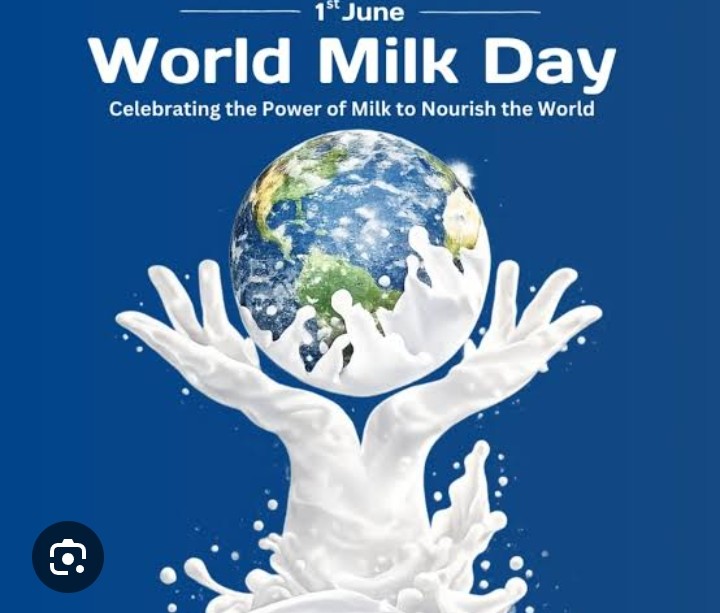


As the world marked World Milk Day 2026 under the theme, “Celebrating Women Farmers,” the conversation is increasingly shifting from milk as a nutritional product to how dairy brands are helping reshape the future of agriculture, nutrition, and food security.
Celebrated every June 1, World Milk Day was established by the Food and Agriculture Organization to recognise the importance of milk as a global food and to highlight the role of the dairy sector in nutrition, livelihoods, and economic development.
As the world marked this year’s World Milk Day celebration, MARKETING EDGE took a closer look at how Nigerian dairy brands are helping to translate the spirit of the theme into measurable impact.
Meanwhile, it is evident that beyond producing and marketing dairy products, that leading industry players are increasingly investing in initiatives that empower women farmers through training, improved livestock management, access to markets, financial inclusion, dairy development programmes, and local sourcing partnerships
These interventions are helping women strengthen their productivity, improve household incomes, and play a more influential role across the dairy value chain.
This year’s theme, “Celebrating Women Farmers,” shines a spotlight on the millions of women whose daily efforts continue to sustain dairy production across Africa and beyond.
From livestock care and milk collection to processing and household nutrition, women remain indispensable to the dairy value chain, helping to strengthen food security, support rural economies, and drive agricultural growth.
As their influence continues to expand, dairy brands, governments, and development partners are increasingly investing in programmes that empower female farmers through training, improved livestock management, market access, and financial inclusion.
Across Africa, demand for dairy products continues to rise, creating significant opportunities for manufacturers even as the continent spends an estimated $7.5 billion annually on dairy imports.
Women farmers have become central to this strategy, with many dairy companies supporting female producers through training, improved livestock management, access to markets, and productivity-enhancing initiatives that strengthen both rural livelihoods and long-term supply chains.
In Nigeria for instance, increasingly, companies are recognising that empowering women farmers and strengthening local milk production are not only essential for food security but are also critical to building resilient supply chains, driving industry growth, and meeting the country’s rising demand for dairy product
Today, Nestlé Nigeria continues to deepen investments in dairy development, nutrition, sustainable food systems, and community empowerment through initiatives that support farmers and strengthen local value chains.
Similarly, Fan Milk Nigeria’s partnership with Obasanjo Farms to develop a large-scale dairy farm reflects a growing industry push towards backward integration and increased local milk production.
FrieslandCampina WAMCO, Arla Foods, Danone and other players are also expanding programmes aimed at improving milk collection, farmer productivity, and local sourcing.
These investments come as Nigeria’s dairy market is projected to grow from about 1.6 billion litres in 2025 to over 2.1 billion litres by 2034, driven by rising health awareness, population growth, and increasing demand for nutritious dairy products.
As brands compete for market share, many are discovering that investing in farmers, particularly women, is becoming just as important as investing in products themselves.



Comment
No comments found.