
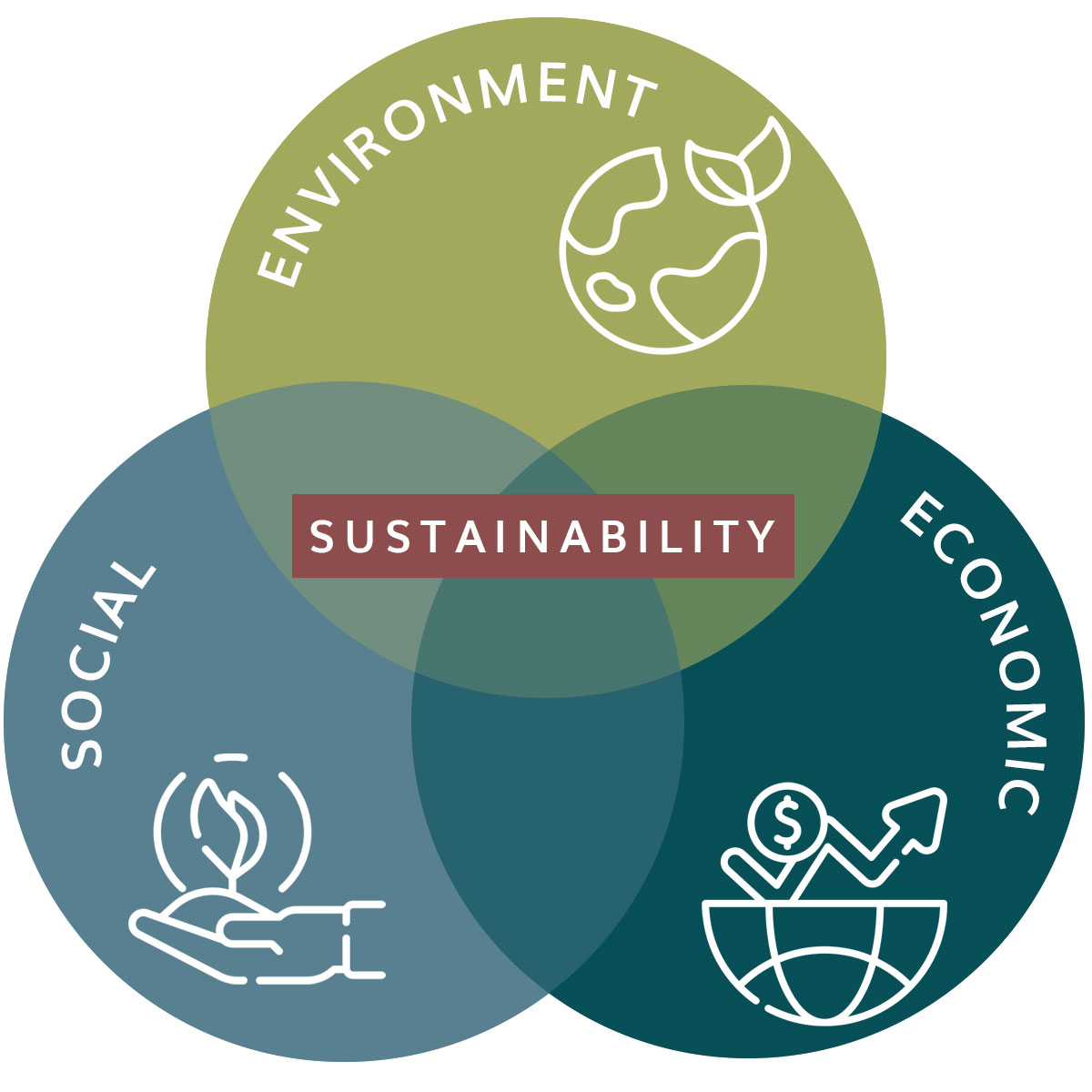




Africa’s path to a resilient and climate smart economy took centre stage at the International Sustainability Conference attended via Zoom, and the hybrid event immediately brought policymakers, corporate leaders, and sustainability practitioners into a unified space to explore green industrialisation, sector transformation, and the unlocking of value through corporate sustainability.
Victor Banjo, Director of Executive Education at Lagos Business School Pan Atlantic University, emphasised that the conference is designed to cultivate ideas and practices aligned with both country specific needs and global best practices.
He stated that Africa’s green economic promise is not theoretical, and he stressed that it is unfolding through energy transitions, sustainable business models, and new governance frameworks. He added that the goal is to turn knowledge into action and systems that deliver long term, inclusive, and sustainable green economic value.
Voices Shaping Africa’s Green Transition
The conference featured keynote addresses and panel discussions that highlighted the practical applications of sustainability across Africa’s most critical sectors. Sam Abu, Regional Senior Partner at PwC, represented by Merilyn Obasa, reflected on the continent’s opportunities and the strategic importance of sustainability for economic diversification.
He explained that Africa must act with intent, minimizing risk and maximizing opportunity, and he stressed that sustainability is imperative as CEOs and business leaders move from pilots to pipeline, from projects to platforms, from compliance to competitiveness, while collaborating across borders to scale what works.
He highlighted the growing carbon market, renewable energy expansion, and climate smart agriculture as sectors positioned to unlock billions in economic value across Africa.
Furthermore, Titilayo Oshodi, Special Adviser to the Governor of Lagos State on Climate Change and Circular Economy, stressed the urgency of integrating sustainable solutions into urban planning and corporate strategy.
She noted that Lagos stands as one of Africa’s most dynamic megacities, and she added that the population of over 20 million residents continues to exert pressure on infrastructure, energy, and the environment.
Through public private partnerships, policy reforms, and strategic investments, she explained that Lagos is advancing clean transport, scaling renewable energy, strengthening waste management, and supporting enterprises that create green jobs.
She also emphasised the government’s commitment to inclusivity, upskilling youth, empowering women, and formalising the informal waste sector through strategic collaborations.
Private Sector Levers for Sustainability
Victoria Uwadoka, Lead Corporate Communication, Public Affairs, and Sustainability at Nestlé Nigeria PLC, highlighted the role of the private sector in operationalising sustainability.
Speaking on behalf of Nestlé Managing Director Wasim El Husseini, she stated that planet and people remain central to the company’s purpose. She explained that from cocoa and coffee to grains, cassava, and dairy, Nestlé continues to practise regenerative agriculture to protect soil, water, and environmental health for future generations.
She noted that sustainability is not a cost but a value advantage and an opportunity for growth. She also pointed to Nestlé’s interventions in nutrition, clean energy access, and circular economy solutions as examples of leveraging corporate influence to drive systemic change.
Meanwhile, discussions examined potential economic risks, including Nigeria’s projected loss of 432 million dollars in cocoa exports to Europe due to the EU’s upcoming regulatory framework.
Speakers emphasised the need for local farmers and entrepreneurs to adapt supply chains for sustainable practices, while highlighting Nestlé’s initiatives to prepare the local agricultural sector for these changes.
Driving Collaboration and Forward Action
Over the course of the conference, panel sessions engaged executives from finance, transport, technology, and manufacturing, and they shared insights on integrating sustainability into business operations, improving revenue, reducing operational costs, and unlocking new opportunities through environmentally conscious strategies.
They noted that Africa stands at a turning point, and they stressed that strategic action, collaboration, and innovation remain essential for aligning economic ambitions with environmental stewardship and social well being.
Consequently, Banjo urged participants to engage deeply, challenge assumptions, forge new partnerships, and commit to actions that will drive Africa forward, stating that the future envisioned requires conviction, collaboration, courage, and a shared resolve.
Ultimately, the International Sustainability Conference continues to position Nigeria and Africa as active contributors to global sustainability discourse, ensuring that business growth, environmental protection, and social equity progress hand in hand.




Comment
No comments found.