
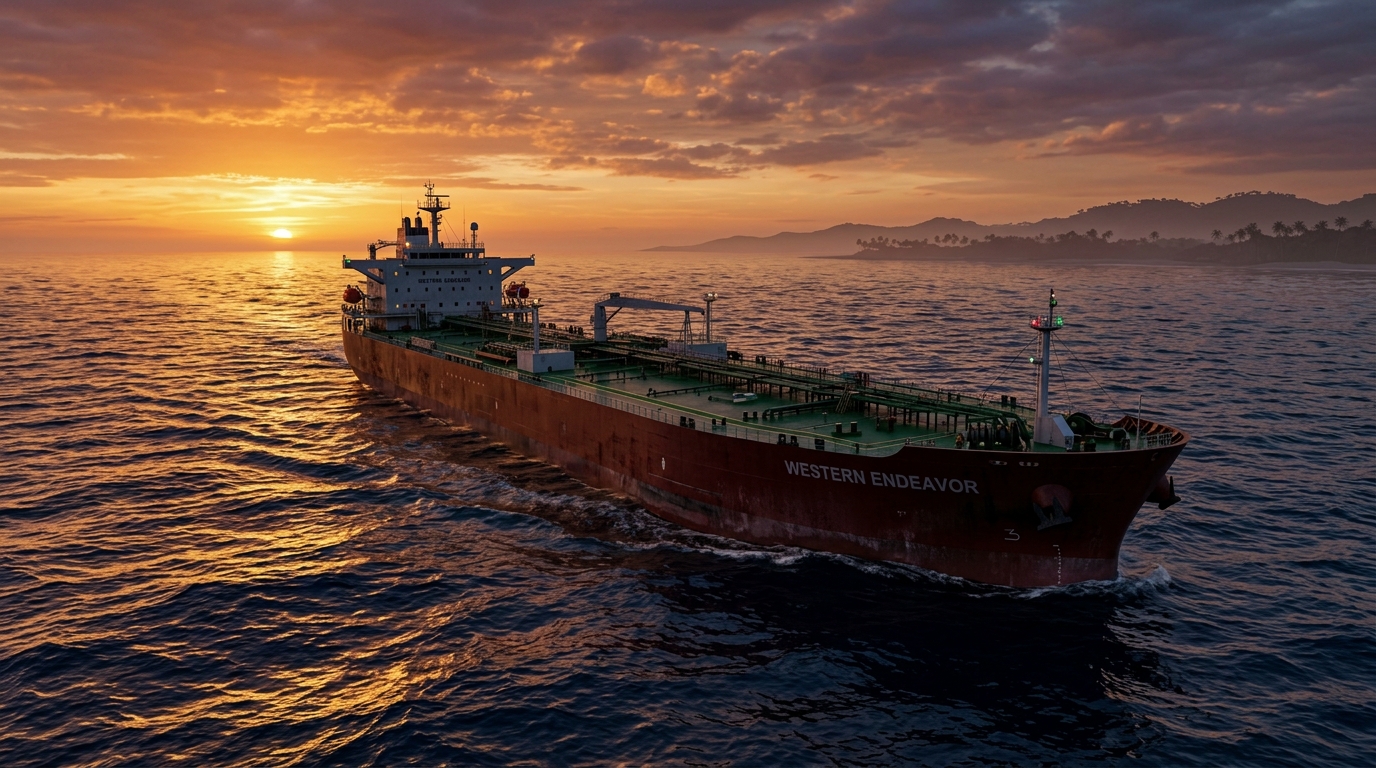



When the Strait of Hormuz constricted in March 2026, global oil markets experienced an immediate shock. Brent crude surged above $114 per barrel within days. About 20 per cent of the world’s daily oil trade, approximately 20 million barrels, suddenly faced alternative routing.
For Japan, the world’s third-largest oil importer, the disruption triggered an urgent strategic recalibration. Nigeria emerged as a critical alternative supply source.
The shift reflects a broader realignment in global energy dependencies. For decades, Asian importers including China, Japan, India, and South Korea relied heavily on Middle Eastern crude flowing through Hormuz’s narrow passage. China alone received 5.35 million barrels daily through the strait before the disruption.
When that vital artery constricted, supply chains fractured overnight. Importers were forced to seek alternative suppliers with sufficient production capacity, reliable logistics, and geopolitical stability.
Nigeria possessed all three.
Africa’s largest oil producer had recently accelerated crude output in response to global supply tightness. Production reached 1.6 million barrels daily in Q1 2026, its strongest performance in two decades.
Indigenous operators, having acquired assets divested by international oil majors, demonstrated their ability to maintain production consistency in challenging environments. Japan’s purchasing power and Nigeria’s growing supply reliability created a natural partnership.
Two Nigerian operators particularly benefited from the Japanese demand surge: Aliko Dangote’s refinery near Lagos and Benedict Peters’ Aiteo operation.
Dangote’s facility, completing a major expansion, operated at near-full capacity processing crude destined for Asian markets. The timing proved favourable as a global shortage of refined products created premium pricing opportunities.
Aiteo’s ultra-light Nembe crude also attracted strong interest from Asian refiners accustomed to Gulf crude specifications. Satellite imagery from April 2026 showed intensive vessel traffic between Nembe Creek and Aiteo’s floating storage terminal, indicating sustained export activity.
Yet the supply shift highlights one of Nigeria’s most damaging paradoxes. Africa’s largest oil producer remains dependent on fuel imports despite pumping millions of barrels of crude daily.
Nigeria exports crude while importing refined products including petrol, diesel, and kerosene at a cost of billions of dollars annually.
When the Hormuz disruption pushed refined product prices sharply higher, Nigeria’s import bill surged. Petrol prices rose from ₦870 to ₦1,300 per litre in March 2026.
The impact spread quickly through the economy. Transport costs increased, food prices climbed, and inflationary pressures intensified.
The crisis disrupted decades-old supply patterns. Japan’s pivot towards Nigerian crude reflects growing recognition that Asian energy security cannot depend entirely on Middle Eastern chokepoints vulnerable to geopolitical tensions.
For Nigeria, the demand surge validates investments in production expansion. At the same time, it exposes a structural weakness: the country cannot fully capture the benefits of higher crude prices without sufficient refining capacity.
Dangote’s refinery addresses part of that challenge, although repeated delays have slowed its full impact.
Without adequate domestic processing capacity, Nigeria remains trapped in a cycle of exporting raw materials while importing finished products, an economic model that favours extraction over industrial development.
The Hormuz crisis created a temporary windfall for Nigerian producers. Whether Nigeria converts that opportunity into lasting economic gains will depend on sustained investment in refining infrastructure and disciplined capital allocation.
History suggests such opportunities can be fleeting without long-term strategic commitment.
ALSO WATCH:MARKETING EDGE ONTV




Comment
No comments found.