
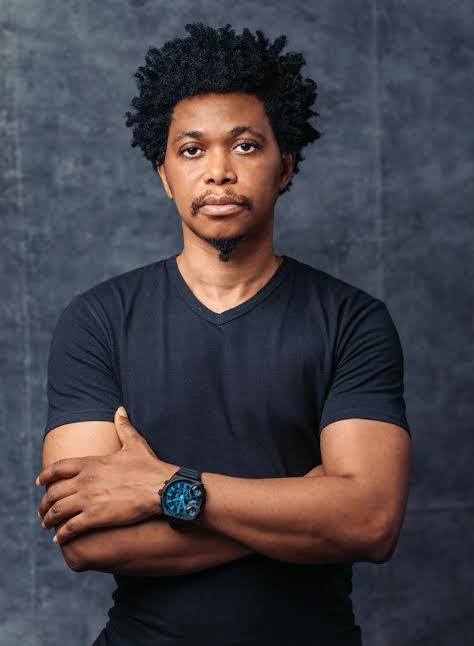





Franklin Ozekhome, a strategist and creative industry leader, has called for a fundamental shift in how African brands and businesses approach culture, arguing that the continent’s cultural wealth must translate into value, ownership and scalable economic opportunities.
Speaking at the MARKETING EDGE NATIONAL MARKETING STAKEHOLDERS’ SUMMIT 2026 themed “Cultural Authenticity as Currency: Turning Heritage into Modern Branding & Marketing,” Ozekhome examined how inherited cultural meaning can become contemporary value, while challenging the marketing industry to reconsider what cultural authenticity means in an increasingly interconnected world.
Reflecting on the years of conversations around cultural authenticity, Ozekhome posed a fundamental question: “We have spent years telling brands to be culturally authentic. Authentic to what?”
According to him, identity is expanding, making it increasingly difficult to define people solely by where they come from. A young Nigerian, he noted, can be “deeply local and radically global at the same time,” with identity increasingly expressed through what people think, wear and speak.
He argued that this shift requires brands to move beyond geographical definitions of identity and ask a more relevant question: “What worlds are they part of?”
Ozekhome described this emerging reality as a “more networked recombinant culture,” where cultural influences intersect and are continuously reinterpreted.
He pointed to Afropop as an example of how cultural specificity can generate global recognition, with music intersecting with fashion and beauty, language and humour, film and media, technology and enterprise, as well as everyday life.
However, he stressed that cultural activity and cultural ownership are not the same thing.
“Africa is culturally rich and commercially under-coded,” Ozekhome said, highlighting the gap between the continent’s immense cultural resources and the extent to which those resources have been transformed into commercially owned and scalable value.
He argued that culture is no longer simply a means of entertainment, but is becoming an integral part of the economy, creating new markets and opportunities for creatives.
Central to his argument was the distinction between heritage, culture and value. Heritage, he explained, is what people inherit; culture is what people do with that inheritance; and value is what they build from it.
“Heritage is stored cultural capital, but does not automatically become market value,” he said.
Ozekhome referenced Japan as an example of how cultural knowledge can become modern industry, while South Korea demonstrates what can happen when multiple cultural industries reinforce one another.
He challenged Nigerian brands, creatives and businesses to consider what can be built from the country’s cultural knowledge that the world would want, own and consume.
According to him, the strongest brands understand that culture is not simply a communication tool, but part of the process through which value is created.
For Africa, he said, “the opportunity is to move from cultural representation to value creation,” urging the continent to convert more of its cultural capital into products, businesses and intellectual property that it can “own, build and scale.”
His presentation reinforced a central message of the summit: cultural authenticity should not end with representation. The larger opportunity lies in transforming cultural knowledge into sustainable economic value while ensuring that Africans increasingly own and benefit from what their culture creates.


Comment
No comments found.