
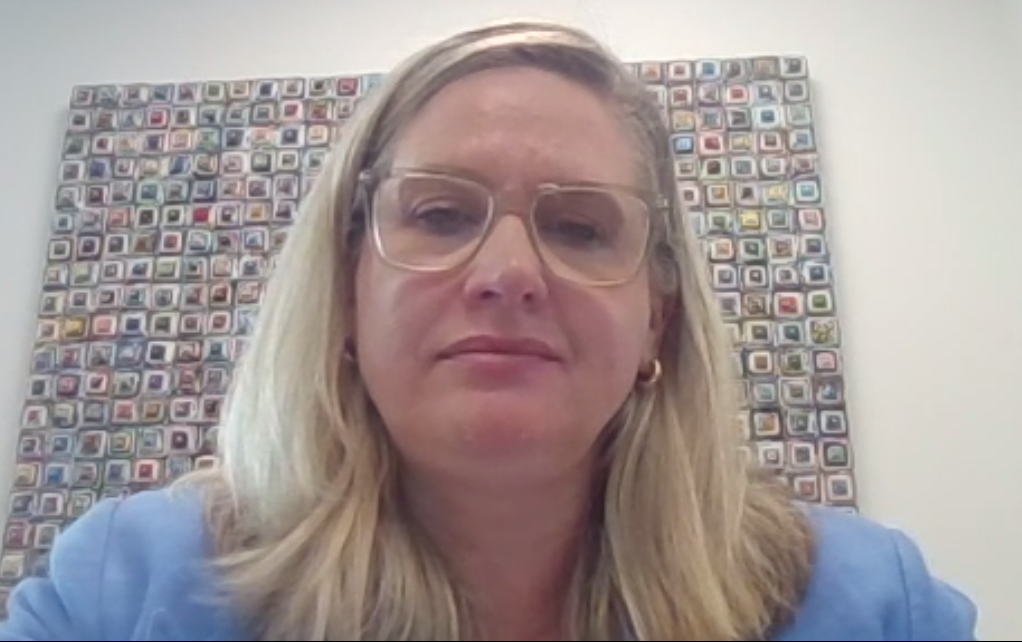





Nigeria must strengthen community-focused leadership, encourage collaboration across social divides and position trust as a national asset if it hopes to build a more resilient economy and cohesive society, Chief Executive Officer of Edelman Africa, Karena Crerar, has said.
Crerar made the call while presenting the findings of the 2026 Edelman Trust Barometer at the Nigerian Institute of Public Relations (NIPR) Q2 PR Power Lunch, themed “Advancing Impactful Leadership and Social Cohesion Through Strategic Trust Brokerage.”
Her presentation explored how declining confidence in institutions and growing social fragmentation are reshaping leadership, communication and public engagement across the world.
She explained that societies are increasingly becoming divided as people place greater trust only in those who share similar beliefs, values and information sources.
According to her, this “insular trust mindset” is gradually weakening relationships between communities and reducing confidence in institutions that traditionally held societies together.
Drawing attention to Nigeria’s findings, Crerar disclosed that one in every two Nigerians surveyed demonstrated signs of this growing tendency, revealing an increasing reluctance to trust individuals from different cultural, political or ideological backgrounds.
She warned that although the trend may appear subtle today, it could gradually create wider social and economic consequences by limiting collaboration, fuelling workplace disagreements and reducing productivity across organisations.
“The effects extend beyond personal relationships,” she noted. “When trust begins to shrink to only familiar circles, organisations, businesses and even national economies ultimately feel the impact.”
Despite these concerns, Crerar stressed that Nigeria still possesses significant opportunities to reverse the trend through stronger leadership and more deliberate efforts to unite people around common interests rather than their differences.
She explained that one of the report’s most notable findings is the changing pattern of public trust. Increasingly, employees are placing greater confidence in leaders they interact with directly, particularly their chief executives, than in government officials, politicians, journalists or even other corporate leaders.
According to her, this development elevates the responsibility of business leaders beyond operational performance, making them critical voices capable of promoting transparency, strengthening employee confidence and encouraging constructive dialogue within organisations.
Crerar also observed that feelings of public frustration become more pronounced when distrust combines with perceptions that governments and businesses primarily serve privileged groups. Such conditions, she said, deepen public grievance and widen existing divisions within society.
The study further revealed that attitudes toward institutions often differ depending on who leads them. Respondents with more open perspectives generally expressed confidence in institutions regardless of leadership backgrounds.
However, those displaying stronger insular tendencies were considerably less willing to trust organisations led by individuals they perceived as different from themselves.
She argued that this growing divide makes inclusive leadership more important than ever, insisting that credibility can no longer depend solely on institutional reputation but must instead be earned through openness, consistency and authentic engagement.
Crerar also highlighted growing concerns surrounding global economic uncertainty, including trade tensions and fears of recession, noting that such pressures continue to influence public confidence in many countries, including Nigeria.
Beyond economic issues, she identified artificial intelligence as another emerging challenge requiring thoughtful leadership. Although Nigeria was not among the countries specifically assessed on AI-related concerns.
Instead, she said findings from other markets revealed widespread fears among lower-income groups about being left behind as technology transforms workplaces and industries.
Again, rather than allowing those fears to deepen, she urged governments, businesses and communication professionals to help citizens better understand emerging technologies and ensure that innovation remains inclusive.
“Africa has enormous potential because of its youthful population and growing digital capabilities,” she said, adding that responsible communication will play an essential role in helping more people embrace technological change.
Crerar equally warned about the growing threat of misinformation and foreign interference in domestic information ecosystems. According to the report, many Nigerians believe external actors deliberately spread false information to create division within societies, making credible journalism and ethical communication increasingly important.
So, she nevertheless pointed to encouraging signs that Nigerians are consuming news from a broader range of sources, describing the trend as a positive development that could help reduce misinformation and promote more balanced public discourse.
Also, another significant finding, she said, was the widening trust gap between higher-income and lower-income Nigerians. While both groups generally expressed confidence in some institutions, perceptions differed sharply, reflecting unequal experiences across society.
However, high-income respondents were more likely to trust business, government, media and non-governmental organisations, whereas lower-income respondents expressed considerably lower confidence, particularly in government institutions, which many viewed as lacking both competence and ethical leadership.
In other words, Crerar explained that these contrasting experiences underline the need for leaders to recognise that different segments of society face different realities and therefore require more inclusive engagement strategies.
Even amid these challenges, she identified one of Nigeria’s strongest advantages: optimism.
Unlike many countries where confidence in the future continues to decline, the report found a significant increase in the number of Nigerians who believe the next generation will enjoy a better quality of life. She described the finding as one of the study’s most encouraging outcomes and evidence of the country’s enduring belief in future opportunities.
According to her, that optimism provides an important foundation upon which governments, businesses and civil society can rebuild trust. Precisely, Crerar argued that the solution lies in what Edelman describes as “trust brokering”, a leadership approach that focuses on connecting people across differences instead of reinforcing divisions.
She explained that trust brokers do not attempt to change people’s beliefs. Instead, they create opportunities for dialogue, identify shared interests and help different groups understand one another in ways that encourage cooperation.
For businesses, she recommended remaining true to their corporate values while encouraging practical collaboration on difficult social issues rather than taking divisive positions. She added that organisations should also create more opportunities for employees from different backgrounds to work together and form meaningful relationships.
She further advised international organisations operating in Nigeria to build long-term credibility by investing in local communities, supporting sustainable development initiatives, employing local talent and maintaining consistent engagement beyond commercial interests.
The Edelman Africa CEO also assigned clear responsibilities to key institutions. She urged governments to promote respectful public discourse, called on the media to prioritise accuracy over sensationalism and encouraged non-governmental organisations to serve as bridges that foster dialogue between groups with differing perspectives.
According to her, rebuilding trust requires sustained commitment from every sector because no single institution can achieve lasting social cohesion alone.
She concluded that Nigeria’s future will depend not only on economic reforms or technological advancement but also on the willingness of leaders across business, government, media and civil society to strengthen trust, encourage cooperation and unite communities around shared national aspirations.


Comment
No comments found.