
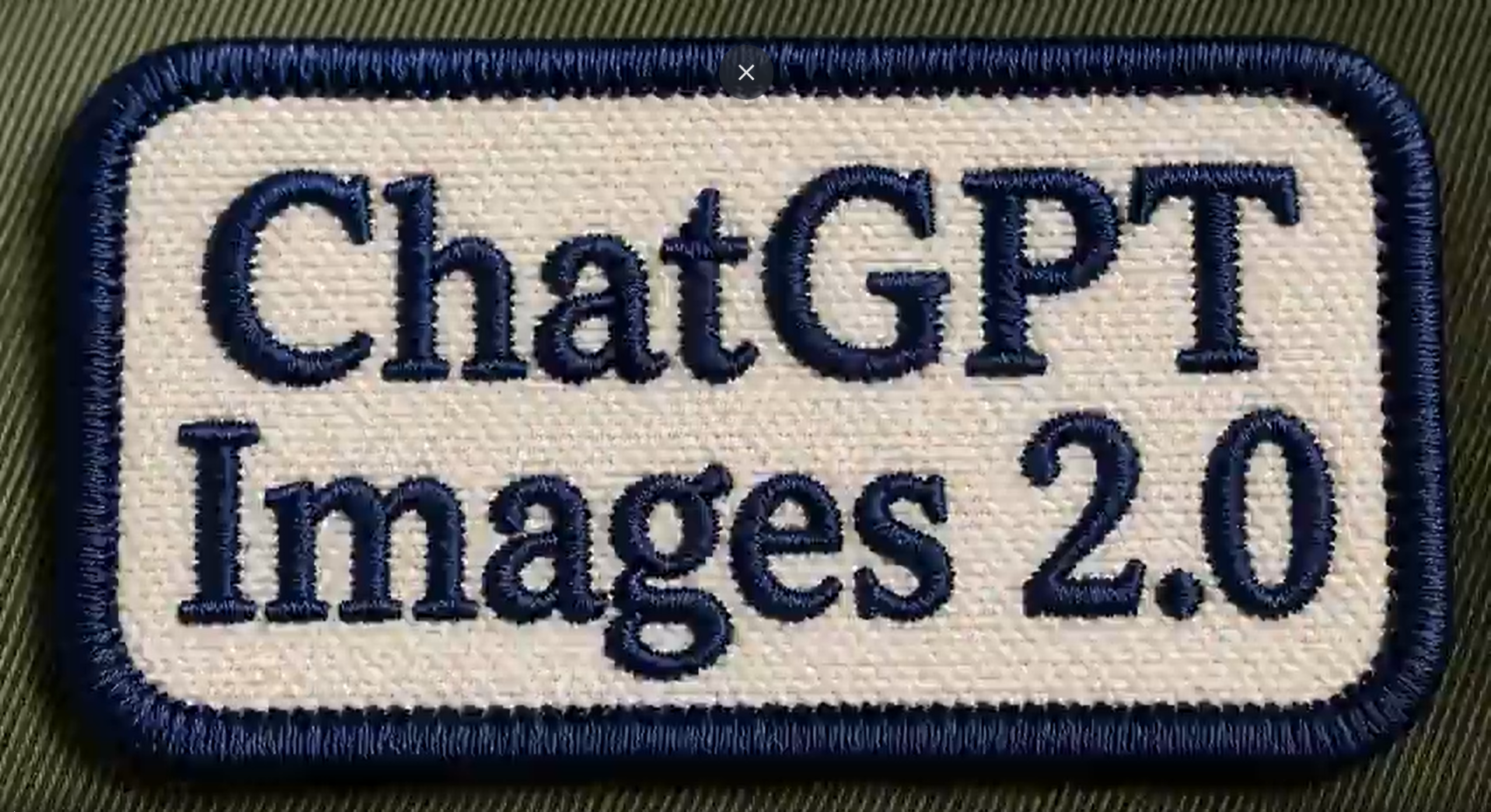


OpenAI announced the launch of ChatGPT Images 2.0 yesterday, April 21st, 2026, and the clever part is this: every image card on the announcement page was generated by the product itself. No press shots or stock agency, OpenAI used the announcement page as the proof of concept. A scroll through it takes you through infographics, multilingual diagrams, eight-panel character sheets, floor plans, and dense UI mockups, all produced by the model being announced.
Images 2.0 generates up to 2K resolution in horizontal, vertical, and square formats. It renders text cleanly, including Japanese, Korean, Chinese, Hindi, and Bengali, which has historically been where AI image models collapse. It maintains character and object continuity across up to 8 images from a single prompt, making storyboards and brand sets genuinely usable. Moreover, it comes in two flavours: Instant for speed, and Thinking for reasoning-heavy composition work. The rollout covers all ChatGPT tiers from day one, with a parallel gpt-image-2 API for builders.
Less than a month ago, OpenAI killed Sora.
The Sora shutdown, announced on March 24 and in queue to take the app offline on April 26, was not a technology failure. Sora worked – or works. The OpenAI board simply looked at the figures. It was bleeding roughly $1 million a day in compute, its user base had collapsed from one million to under 500,000, and Disney’s $1 billion partnership died with the product. OpenAI redirected the freed GPUs toward enterprise and productivity bets. Today, we can see that Images 2.0 is the first public dividend of that pivot.
The contrast matters, though – Sora was a consumer social app chasing TikTok’s tail. Images 2.0 is squarely aimed at workflows, so think copywriting, analysis, design composition, and deck-ready infographics. OpenAI is not selling entertainment anymore; the focus has shifted to output.
Meanwhile, four days earlier, Anthropic launched Claude Design.
It is tempting to frame this as OpenAI playing catch-up, and some of that framing holds. Anthropic has been eating OpenAI’s lunch in the enterprise segment for months, Claude Code in particular. However, Claude Design and Images 2.0 are not the same product. Claude Design is a prototyping tool; it outputs live HTML, interactive mockups, exportable PPTX and PDF, and hands off to Claude Code for engineering. Images 2.0 is a raster image model that happens to render text and layouts beautifully enough to displace a lot of what designers ship flat.
They are attacking the same category from opposite ends. Anthropic is building up from code, while OpenAI is building up from pixels. At the end of the day, both roads lead to the same point: democratising the design skill, and empowering non-design professionals.
The “non-design professionals” mention is considering the process of the marketer, advertiser, and brand strategist in agencies and brands today. Those light-skilled but deeply creative work — social carousels, pitch decks, explainer infographics, campaign mockups, etc, is now one prompt away. The barrier to entry for professionals now is not Photoshop skills. It is taste, strategy, and judgment to know which creative direction sells or impacts the most.


Comment
No comments found.