
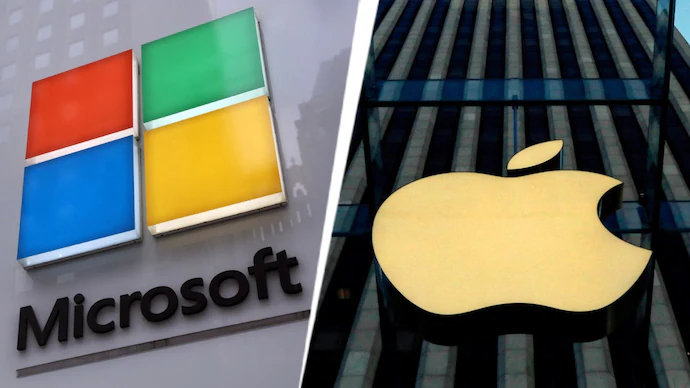




Iran’s Islamic Revolutionary Guard Corps (IRGC) has issued a fresh warning targeting major American technology companies, escalating tensions in the ongoing Middle East conflict and raising concerns over the security of global corporate operations.
The group named several high-profile firms, including Apple, Nvidia, Microsoft and Alphabet, accusing them of supporting U.S. and allied military efforts through advanced technologies such as artificial intelligence and data systems.
In a strongly worded statement, the IRGC described these companies as “legitimate targets,” signalling a potential expansion of the conflict beyond traditional military assets to include corporate and digital infrastructure.
The warning also extended to employees of the affected firms, urging them to stay away from offices and surrounding areas in the region amid fears of possible attacks.
ALSO WATCH MARKETING EDGE ONTV
The development reflects a broader shift in modern warfare, where technology companies play an increasingly central role in intelligence, surveillance and communication systems. Iranian officials argue that such involvement places these firms within the scope of retaliation.
The threat comes against the backdrop of heightened hostilities between Iran, the United States and its allies, following a series of military operations and counter-strikes that have intensified across the region in recent weeks.
Analysts warn that the move could have far-reaching implications, not only for multinational corporations operating in the Middle East but also for the global technology ecosystem, as geopolitical risks begin to intersect more directly with digital infrastructure.
Beyond physical threats, experts say the escalation could also trigger increased cyberattacks, given Iran’s established capabilities in digital warfare and previous targeting of critical infrastructure.
As tensions continue to rise, the situation underscores the growing vulnerability of private sector players in geopolitical conflicts, particularly those operating at the intersection of technology and national security.


Comment
No comments found.