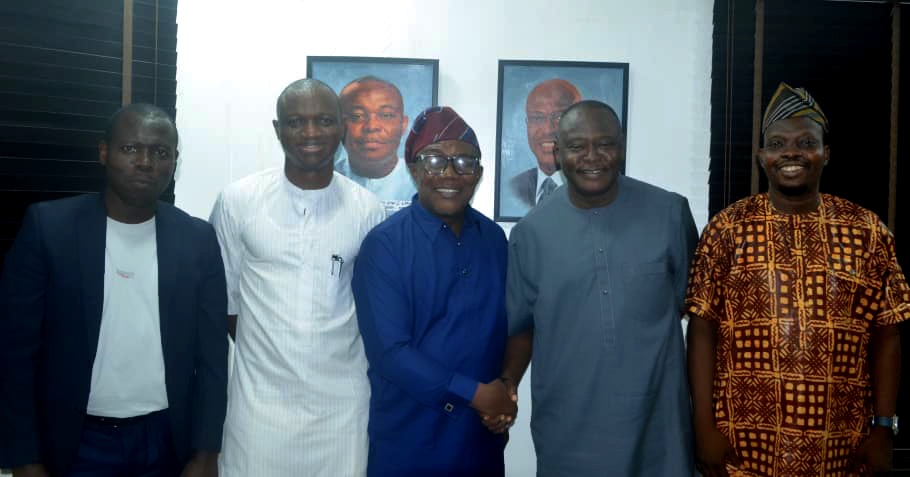


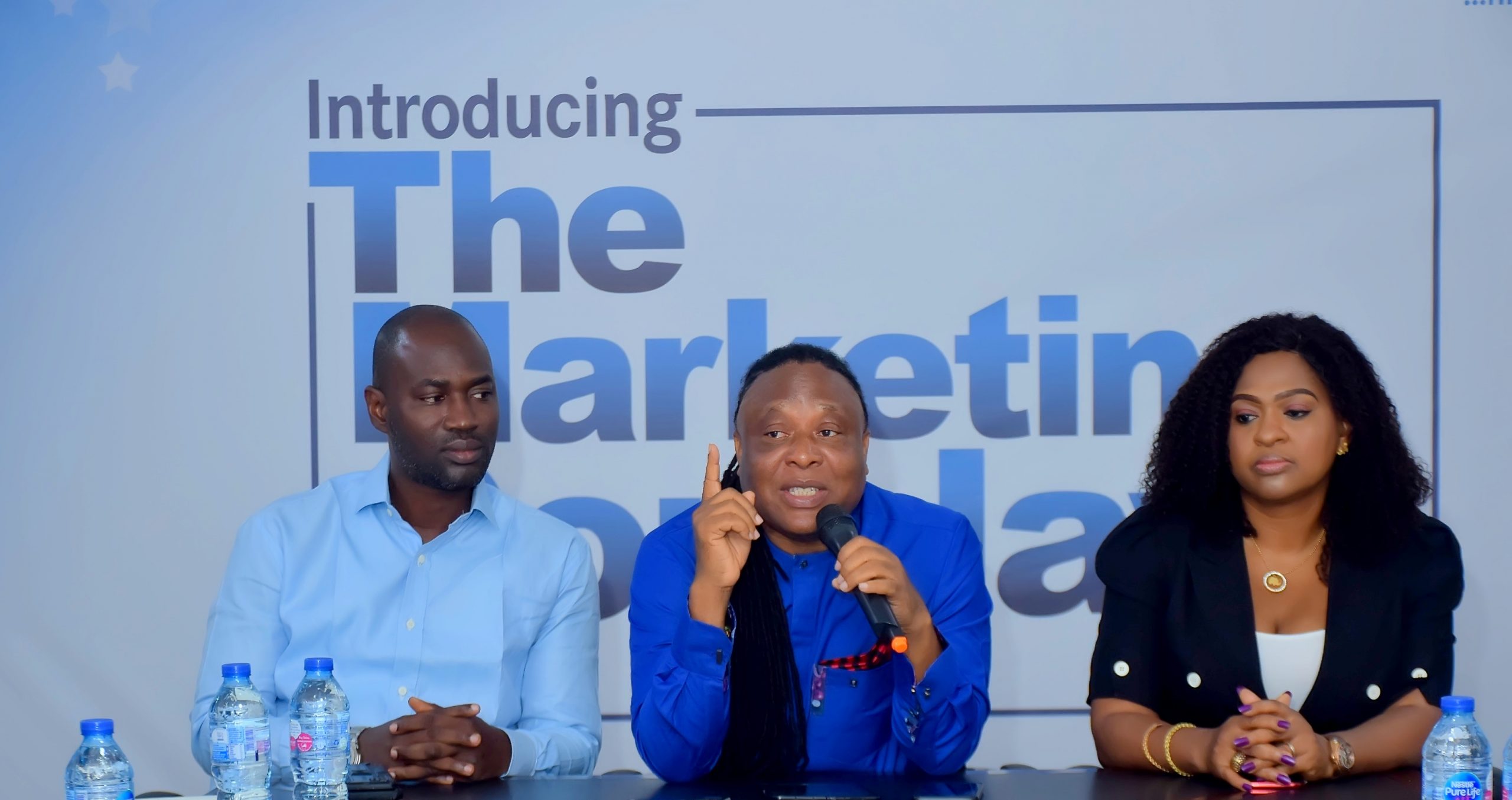
Tony Okwoju, the Director-General, Spirits and Wines Association of Nigeria (SWAN), an umbrella body of producers, importers and marketers of spirits and wine alcoholic beverages in Nigeria, was a guest speaker at the Brand Journalists Association of Nigeria (BJAN)’s monthly breakfast round table, which focused on combating illicit alcohol trade in Nigeria.
The session which held on Friday, March 27 in Lagos, was an opportunity for the DG to engage with the media on their role in supporting the industry through appropriate reporting of illicit trade activities to protect the industry and safeguard the health of consumers while highlighting the economic implications to the government through revenue losses.
Setting the tone for the session, Daniel Obi, Chairman of BJAN, described the meeting as a reflection of the growing spirit of collaboration between the two associations and their shared commitment to responsible industry practice.
“Today’s engagement provides a valuable platform for dialogue an opportunity to exchange ideas, strengthen relationships and explore ways we can collectively enhance industry standards, improve public perception and support responsible consumption across the country,” he said.
“We believe that through collaboration with organisations like SWAN, we can amplify positive narratives and contribute meaningfully to national development,” he added.
Speaking to the room filled with brand journalists, Okwoju opened with figures that underscored the severity of the problem. Quoting a Deloitte report, he revealed that Nigeria currently loses an estimated N472 billion every year to illicit trade, which accounts for 40 percent of the market share in the country’s spirits and beverages sector. Beyond the economic damage, he stressed that the health consequences of counterfeit products are equally devastating and far less reported.
He explained that illegal manufacturers are increasingly using methanol, a toxic industrial alcohol, as a substitute for ethanol in the production of fake spirits.

BJAN members
“Methanol has no colour or flavour, which makes it particularly difficult to detect in drinks. Unlike ethanol, methanol is unfit for human consumption and can lead to permanent blindness, organ failure or immediate death. These counterfeiters are not just faking brands. They are killing people,” Okwoju stated.
He pointed out that low public awareness of the dangers associated with illicit trade, combined with a lack of stringent enforcement, has allowed this dangerous business to thrive in major commercial hubs across Nigeria. In response, SWAN member companies have adopted a series of measures to starve counterfeiters of their primary tools, the most significant of which is an aggressive empty bottle recycling initiative.
Okwoju explained that criminal syndicates routinely scavenge high-end dumpsters and bars to collect empty branded bottles, which they subsequently refill with low-quality and toxic mixtures.
“To counter this, major manufacturers are now deploying teams to bars and nightclubs across Nigeria to retrieve and crush their own empty glass containers. Although this initiative costs organisations more money, these bottles are sent to specialised recycling plants to ensure they cannot be reused by illicit traders,” he said.
Looking ahead, Okwoju announced that SWAN is organising a one-day stakeholders workshop scheduled for April 22, 2026, which will bring together key regulatory agencies, government parastatals and industry players to collectively proffer solutions to the surge in counterfeit alcoholic beverages in Nigeria.
According to SWAN, the workshop has become necessary because the problem constitutes a significant tripartite threat to the country depleting government revenue, jeopardising billions in private sector investment and undermining public health simultaneously.
For BJAN, the session reinforced the critical role that brand journalism plays in giving voice to industry challenges that directly affect Nigerian consumers.

Comment
No comments found.