
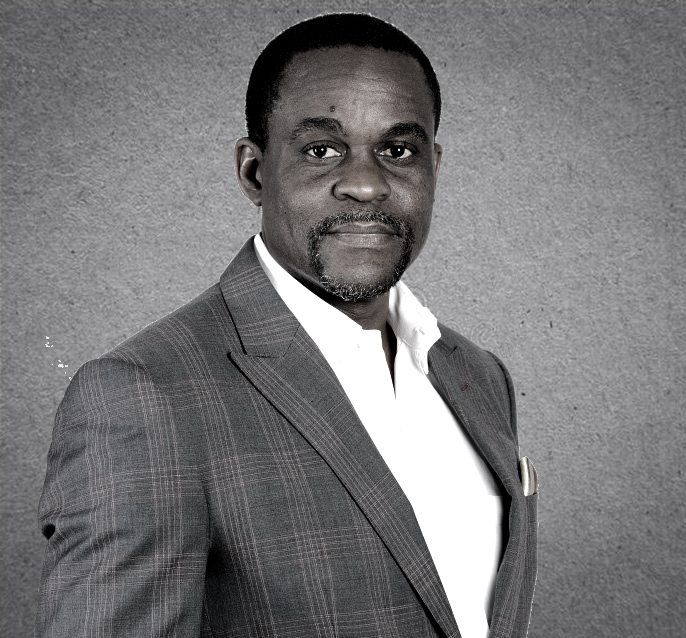



After more than three decades shaping brands, building creative platforms and leading one of Nigeria’s foremost advertising agencies, former Chief Executive Officer of TBWA Concepts Unit and former President of the Association of Advertising Agencies of Nigeria (AAAN), Kelechi Nwosu, believes the future of advertising depends on a fundamental shift from producing campaigns to creating measurable business value.
Speaking on MARKETING EDGE ONTV’s Industry Conversation, Nwosu said the advertising industry must redefine its role by moving beyond traditional service delivery and positioning creativity as a driver of economic growth, innovation and intellectual property development.
According to him, agencies must become more deliberate about creating ideas, platforms and products that generate long term value for both clients and themselves.
ALSO WATCH:MARKETING EDGE HOST AYODEJI ONABAJO
Nwosu, who recently transitioned from the position of Chief Executive Officer at TBWA Concepts Unit to a Non Executive Director role, described leadership transition as a necessary stage in organisational growth, stressing that successful leaders must recognise when it is time to create opportunities for new talents and fresh perspectives.
He explained that leadership is not about occupying positions indefinitely but about preparing capable successors who can continue the journey with new energy and ideas.
ALSO WATCH:MARKETING EDGE HOST AYODEJI ONABAJO
Reflecting on his years at TBWA Concepts Unit, Nwosu said his career was shaped by a combination of education, observation, ambition and a passion for creativity.
He noted that his desire was always to contribute to advertising work that creates meaningful connections, influences behaviour and leaves lasting impressions.
One of the defining milestones of his leadership journey, he explained, was the development of iconic campaigns and platforms, including work for MTN, Spirit of Lagos and Proudly Made in Aba.
According to him, these projects demonstrated that agencies possess the capacity to develop intellectual property beyond client briefs and create platforms that can exist as valuable assets.
Nwosu described Proudly Made in Aba as particularly significant because of its focus on showcasing local creativity, craftsmanship and economic possibilities, while Spirit of Lagos represented an attempt to influence public behaviour and encourage civic responsibility within the city.
Beyond campaigns, he argued that agencies must begin to see themselves as creators of valuable ideas that can be developed, owned and monetised.
ALSO WATCH:MARKETING EDGE HOST AYODEJI ONABAJO
He explained that the traditional agency model, where firms simply create campaigns for clients and receive fees, is becoming increasingly challenged by changing market realities.
For Nwosu, creativity must now be treated as intellectual capital, adding that agencies need stronger business models that recognise the economic value of ideas.
He, however, acknowledged that the transition from providing creative services to building intellectual property comes with challenges because agencies remain heavily focused on meeting client demands.
According to him, the challenge is finding a balance between delivering exceptional client service and investing in platforms and innovations that strengthen the agency’s own future.
Meanwhile, Nwosu also challenged advertising professionals to improve how they demonstrate value to businesses.
He argued that agencies must move beyond measuring success through awareness, impressions and visibility alone, insisting that campaigns must connect with business objectives and measurable outcomes.
According to him, clients are interested in understanding how communication contributes to growth, profitability, brand strength and consumer behaviour.
ALSO WATCH: MARKETING EDGE 3 CROWNS MILK MUM OF THE YEAR AWARD WINNERS
He stressed that advertising practitioners must become part of boardroom conversations by understanding the economic priorities of businesses rather than focusing only on creative execution.
On the growing influence of technology and artificial intelligence, Nwosu said creativity and technology must work together rather than compete against each other.
He noted that while technology has transformed communication processes, human creativity, empathy and cultural understanding remain essential elements that distinguish impactful ideas.
According to him, the industry should not view technology companies as competitors for talent because creativity exists across different sectors.
Instead, he encouraged agencies to embrace innovation and create environments where young professionals can apply technology to develop meaningful creative solutions.
Nwosu also examined the broader performance of Nigeria’s advertising industry, describing growth as uneven due to economic pressures, inflation, limited brand expansion and challenges within the business environment.
He explained that the industry’s growth remains closely connected to the strength of the economy, adding that stronger local brands capable of expanding across Africa would create more opportunities for agencies.
According to him, Nigeria must develop brands that can compete beyond national borders, particularly with opportunities created through regional trade agreements.
However, he identified talent development, declining purchasing power and outdated business models as some of the major issues confronting agencies.
Nwosu noted that many young professionals leave the industry because they do not see sufficient financial rewards or career opportunities, stressing the need for agencies to improve their value proposition.
He also called for a review of the traditional advertising agency model, arguing that agencies must evolve from intermediaries into creative businesses capable of owning and scaling ideas.
On the relationship between agencies and clients, the former AAAN President emphasised that mutual respect, collaboration and shared objectives remain critical to producing outstanding work.
He recalled his experience working with MTN during the early years of the brand’s growth, describing the partnership between the client and agency teams as a strong example of how trust and collaboration can produce remarkable results.
According to him, successful relationships are built when both sides recognise each other as partners rather than adopting a master servant approach.
Nwosu also criticised the prevailing industry pitch culture, describing many pitch processes as unfair and damaging to agencies.
He argued that clients should evaluate agencies based on their experience, previous work, capabilities and strategic thinking rather than demanding extensive unpaid creative solutions.
According to him, intellectual property deserves protection, and agencies must become more confident in defending the value of their ideas.
Speaking on the future of advertising spend in Nigeria, Nwosu predicted increased activity in the second half of 2026, driven partly by political campaigns and seasonal business activities. However, he warned that brands risk losing relevance when they treat marketing investment as a cost rather than a growth tool.
He explained that reducing communication investment could affect brand visibility, consumer connection and market position. For Nwosu, advertising effectiveness should not be judged by sales alone but through a wider measurement framework that considers awareness, consideration, brand strength and consumer advocacy.
As he begins a new chapter beyond executive leadership, Nwosu said his focus remains on supporting industry development, mentoring younger professionals and contributing ideas that strengthen the future of advertising.
He encouraged the next generation of practitioners to believe in their abilities, continuously learn, embrace creativity and demand value for the expertise they bring to the marketplace.
According to him, the industry’s future depends on professionals who understand creativity, business, technology and the importance of building solutions that create lasting economic impact.



Comment
No comments found.