
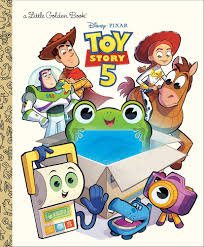


Walt Disney has opened a new chapter of box office dominance as Toy Story 5 storms into cinemas with a record breaking global debut, setting the pace for the 2026 movie season.
Industry data from ComScore shows the latest instalment of the iconic franchise delivered $160 million in domestic ticket sales during its opening weekend, marking the strongest debut of the year so far.
In addition, international markets contributed a further $152 million, pushing the film’s global opening total to an impressive $312 million.
By comparison, the previous record holder in the franchise, Toy Story 4, which premiered in 2019, opened with $120.9 million domestically, highlighting the scale of growth achieved by the new release.
Meanwhile, analysts say the performance reflects the enduring strength of Disney’s storytelling legacy, which has remained culturally relevant since the franchise first launched in 1995.
On the marketing front, reports indicate Disney maintained a relatively lean national television spend of about $9.8 million, while still securing massive reach through 4,268 airings and more than 677 million impressions.
Significantly, a large share of that visibility came through Disney owned platforms, including ABC, Disney Channel, ESPN, FX and National Geographic, reinforcing the company’s cross network promotional strength.
Moreover, audience targeting leaned heavily into sports and high engagement programming, with placements during NBA games, NHL broadcasts, Good Morning America and Jimmy Kimmel Live driving strong visibility.
Beyond marketing performance, audience reception has also been exceptionally strong, with Toy Story 5 earning a 94 percent critics score and a 95 percent audience rating on Rotten Tomatoes.
Elsewhere in the box office landscape, Steven Spielberg’s Disclosure Day, distributed by NBCUniversal, recorded $17 million in its second weekend, following a $44 million debut in its opening week.
Notably, the film marked Spielberg’s strongest opening ever for an original non franchise project, drawing attention for its return to science fiction storytelling.
Critics have responded positively, with the film earning an 80 percent approval rating, while audience sentiment stands at 71 percent, reflecting a mixed but solid reception.
In terms of promotion, NBCUniversal reportedly invested about $9.8 million in national television advertising, generating over 663 million impressions from 589 airings.
Similarly, media placement strategy focused heavily on sports platforms, including NBA coverage, Major League Baseball broadcasts and the 2026 Milan Cortina Olympics, reinforcing the growing link between blockbuster marketing and live sports audiences.
As the 2026 box office season unfolds, both releases underscore a clear trend: franchise strength, strategic media placement and audience trust continue to define commercial success in modern cinema.



Comment
No comments found.