
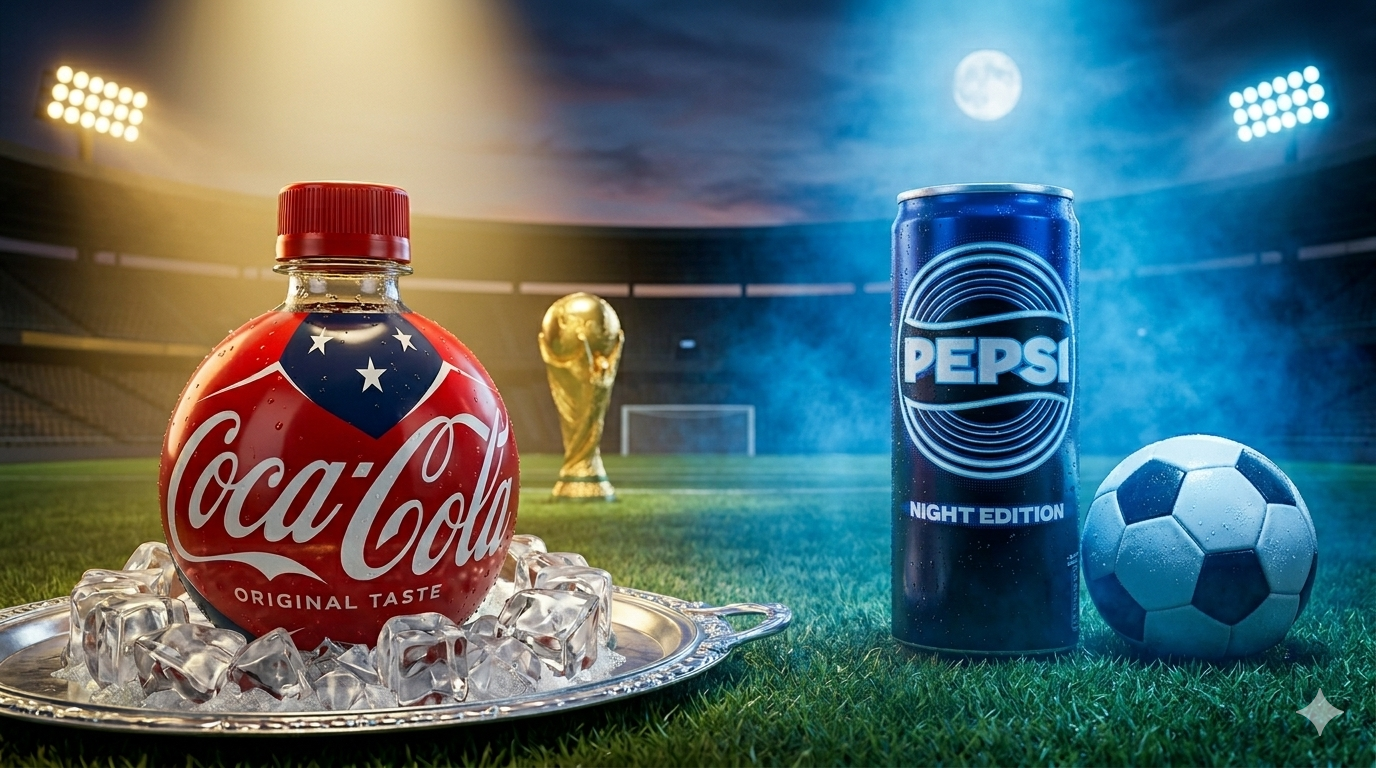





FIFA 2026 is happening on the field. But the real battle is happening in your hands, and in your fridge.
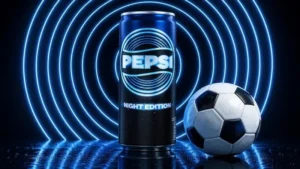
Coca-Cola just launched a football-shaped bottle. Pepsi just launched Pepsi Night: a caffeine-loaded soda engineered specifically for fans staying awake during late-night World Cup matches across global time zones.
On the surface, both brands are sponsoring the same event. In reality, they’re competing in fundamentally different markets using the same cultural moment as their battleground.
Coca-Cola isn’t solving a problem. It’s creating one, then making people want to keep it. Pepsi is solving the actual problems fans face: exhaustion during marathon viewing sessions.
These aren’t competing products. They’re competing philosophies about how to win loyalty.
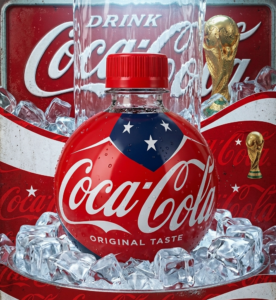
Coca-Cola’s Gamble: Make the Container the Experience
Coca-Cola’s approach is architectural. The bottle IS the innovation. The liquid inside becomes secondary to the object itself.
This strategy works because it taps into three psychological drivers simultaneously: collectability (scarcity creates value), nostalgia (memorable objects attach to moments), and status (owning something limited signals cultural participation).
The football-shaped bottle doesn’t need to be better than regular Coca-Cola. It needs to be “worth keeping”. In a world of disposable packaging, Coca-Cola created something people want on their shelves. The bottle becomes a trophy. Every time someone sees it, they remember: “I was part of the 2026 World Cup moment.”
This is elegant strategy. It acknowledges that in modern marketing, the “desire to own” matters more than the “desire to consume.”
Coca-Cola understands something crucial: fans don’t just want to drink during the Word Cup. They want to “own” the World Cup. They want physical proof they participated in something culturally significant. A football-shaped bottle provides that proof.
The strategy’s weakness? It only works if people care about ownership more than function. If staying awake matters more than having a collectible, this bottle becomes a decorative paperweight.
Pepsi’s Gamble: Make the Product the Solution
Pepsi’s approach is functional. The bottle shape doesn’t matter. The caffeine content does.
This strategy taps into a different psychological driver: “utility.” Pepsi isn’t asking fans to feel something. It’s solving what fans “need”: sustained energy across time zones and late-night viewing maratheres.
Thirty percent more caffeine isn’t marketing poetry. It’s engineering honesty. Pepsi looked at the actual problem, fans exhausted by back-to-back matches, and built a product solving it.
This is the underdog’s play. Coca-Cola owns the cultural narrative. Pepsi owns the functional reality.
The strategy’s weakness? It only works if people prioritise practically over prestige. If fans care more about the experience of ownership than the experience of functionality, Pepsi Night becomes just another energy drink in a crowded category.
The Real Competition
This isn’t about which brand is “better”. It’s about which brand understands their consumer better.
Coca-Cola assumes fans want to “celebrate”, they want objects that commemorate moments, bottles worth keeping, collectibles that prove participation.
Pepsi assumes fans want to “participate”, they want products that enable them to stay in the moment longer, energy that lets them watch more matches, functionality that serves their actual needs.
Both assumptions might be correct. Fans might want both: the collectible AND the caffeine. But it forced to choose, if your budget only allows one, which matters more?
Coca-Cola’s strategy reveals confidence in brand prestige. The company knows its name alone commands loyalty. The bottle is just an expression of that existing power.
Pepsi’s strategy reveals hunger. It’s saying: “We can’t beat you on culture, so we’ll beat you on honesty. We’ll solve the problem Coca-Cola ignores.”
What This Reveals About Modern Sponsorship
The FIFA 2026 soda wars expose something sponsors rarely acknowledge: mega-events aren’t neutral platforms. They’re battlegrounds where brands reveal their actual competitive strategy.
Coca-Cola is betting that cultural moments matter more than functional moments. That people remember how brands made them feel, not what they helped them do.
Pepsi is betting that functional moments matter more than cultural moments. That people remember what brands solved for them, not just how they positioned themselves.
One philosophy will dominate FIFA 2026. The winner won’t be determined by marketing spend. It will be determined by which brand correctly predicted what football fans actually needed.
The irony? Both might be right. Collectors will keep Coca-Cola’s bottle. Insomniacs will drink Pepsi Night. The World Cup is big enough for both.
But only one will own the narrative. And that ownership depends entirely on what FIFA fans care about more: prestige or practicality.
The match hasn’t started. The score is still zero-zero. And neither brand knows which philosophy wins until fans choose.
ALSO WATCH:MARKETING EDGE ONTV



Comment
No comments found.