
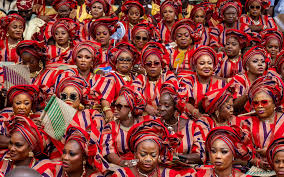




As the ancient town of Ijebu-Ode bursts into life today for the 2026 edition of Ojude Oba, another powerful narrative is unfolding beyond the colourful attires, majestic horse processions, rhythmic drums, and cultural pageantry that have defined the festival for generations.
Increasingly, Nigeria’s biggest brands are no longer coming to Ojude Oba merely for sponsorship visibility. Instead, they are arriving with something deeper, more strategic, and far more emotional, the desire to become part of the culture itself.
That shift has quietly transformed Ojude Oba from a traditional cultural gathering into one of the most emotionally compelling experiential marketing platforms in Nigeria, where brands now compete aggressively not just for attention, but for emotional relevance, cultural acceptance, and lasting consumer connection.
Today, brands understand that consumers are no longer moved by loud advertising alone. Rather, they connect more deeply with brands that reflect their identity, respect their heritage, celebrate their traditions, and genuinely immerse themselves in the experiences that matter to them.
And nowhere is that reality more visible than at Ojude Oba.
For decades, the festival has remained a proud celebration of the Ijebu people and a symbolic gathering held in honour of the Awujale of Ijebuland. However, over the years, the event has grown into a national cultural spectacle attracting thousands of visitors from different ethnic groups, religions, social classes, and even countries.
Yet, while the festival continues preserving the richness of Yoruba heritage, it has simultaneously become one of the strongest cultural bridges connecting brands directly to consumers in ways conventional advertising increasingly struggles to achieve.
Consequently, Ojude Oba now serves as a rare emotional marketplace where brands stop behaving like distant corporations and instead become active participants in the lives, stories, and memories of the people.
From telecommunications companies to beverage brands, banks, and food manufacturers, corporate organisations are increasingly using the festival to create emotionally immersive experiences capable of generating stronger loyalty, deeper visibility, and more authentic engagement.
For years, Globacom has remained one of the festival’s strongest corporate backers, helping elevate the celebration into a nationally recognised cultural and tourism platform through extensive sponsorships, consumer activations, and experiential engagement.
Similarly, Goldberg, Orijin, Maltina, Seaman’s Schinapps FCMB, Honeywell foods and Rite Foods have all continued leveraging the festival as more than a marketing platform. Instead, they are using it to build emotional relationships with consumers through culture driven storytelling and immersive brand experiences.
Particularly, Orijin has consistently positioned itself around cultural authenticity by blending traditional Yoruba identity with contemporary Afro urban energy. Through music performances, storytelling corners, immersive festival villages, and heritage inspired activations, the brand has continued strengthening its connection with consumers seeking both cultural pride and modern expression.
Meanwhile, FCMB has maintained a long standing relationship with the Ijebu community by celebrating the regberegbe age grade system while promoting inclusion and cultural preservation across the festival environment.
At the same time, Rite Foods is already emerging prominently within conversations surrounding this year’s edition as brands intensify efforts to dominate one of Nigeria’s most commercially and emotionally valuable cultural spaces.
Industry observers say the growing attraction toward cultural festivals like Ojude Oba reflects a broader transformation happening across the global marketing industry where brands are increasingly moving away from transactional advertising toward emotionally driven consumer engagement.
Increasingly, brands now recognise that emotional connection creates stronger consumer loyalty than repetitive product messaging, as people want brands that understand them and speak their language.
Brands that respect their roots and also show up where their emotions, identity, and shared experiences truly exist. So,at Ojude Oba, brands find all of that in one environment.
Interestingly, the festival naturally dissolves barriers that often divide people socially. Religion fades quietly into celebration. Language differences become irrelevant. Social class gives way to shared excitement. Culture becomes the common meeting point.
Then, strategically, brands position themselves directly inside that emotional atmosphere.
That emotional integration continues making Ojude Oba one of the most powerful case studies in experiential marketing, cultural branding, and consumer immersion across Nigeria’s advertising industry.
Beyond visibility alone, the economic impact surrounding the festival also continues expanding significantly as hotels record massive bookings, while fashion business on the other hand, experience increased patronage.
Meanwhile, brands harvest something even more valuable than advertising impressions — emotional memory and long term consumer connection.
Without doubt, the 2025 edition raised expectations dramatically through stronger consumer experiences, larger brand participation, and more culturally immersive storytelling.
However, as Ojude Oba 2026 officially kicks off today, anticipation is already building around what many believe could become an even bigger showcase of experiential marketing, cultural celebration, and emotional consumer engagement.
Ultimately, Ojude Oba is no longer simply a festival. It has evolved into a powerful cultural ecosystem where brands now build trust, shape perception, strengthen identity, and emotionally connect with consumers in ways traditional advertising increasingly cannot replicate.


Comment
No comments found.