
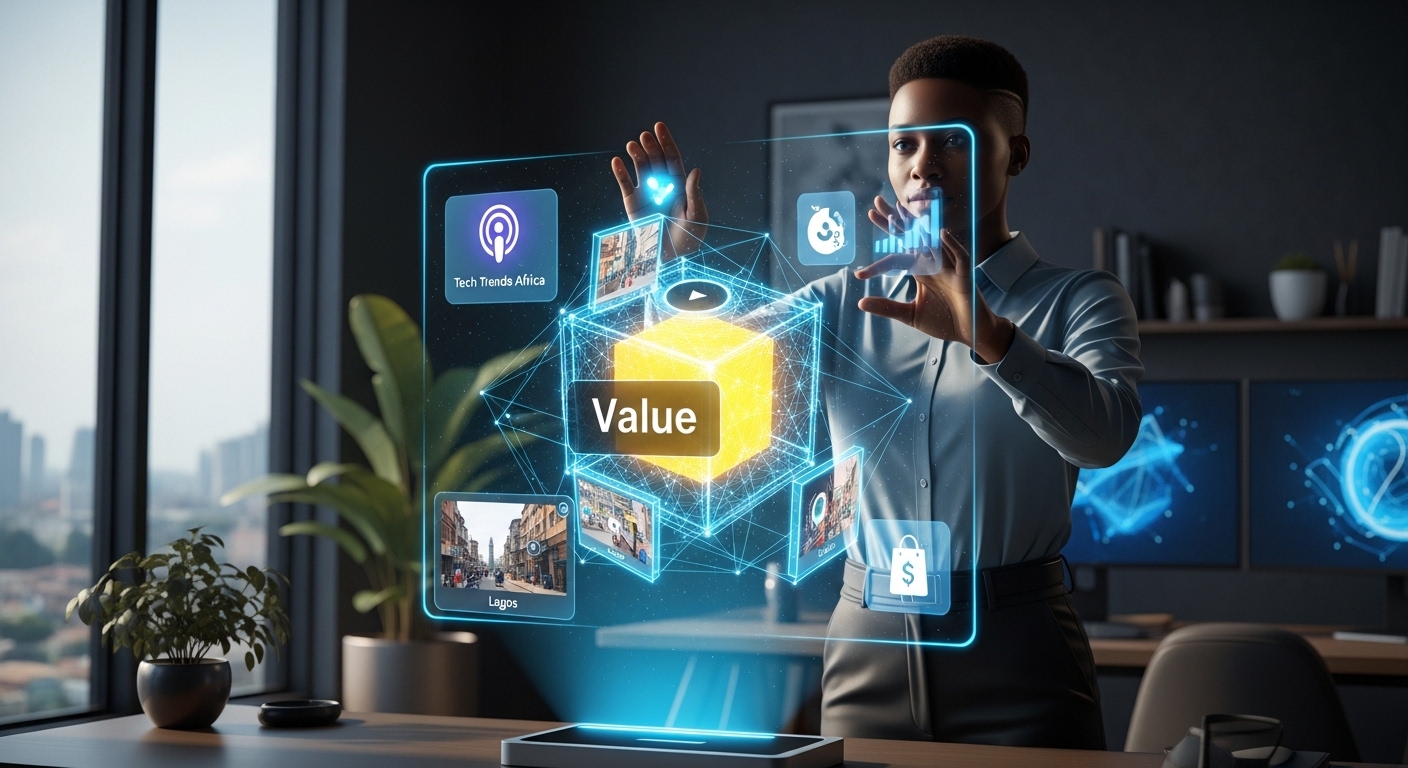


The connected consumer evolved when nobody was watching. Somewhere between 2021’s dopamine-scroll addiction and 2026’s intentional engagement, the relationship between audiences and media is fundamentally restricted. Brands optimising for impressions missed the shift. Those paying attention to what people save, share privately, and watch completely saw a different future.
Engagement didn’t disappear. It transformed from quantity to quality, from reflexive to deliberate, from broadcast reception to active curation. The consumer who once passively absorbed content now architects their media experience across platforms, formats, and communities with surgical precision. They’re not consuming less. They’re consuming differently. And the difference matters more than most marketers realise.
Deloitte’s 2025 Connected Consumer Survey revealed that roughly 70 per cent of Gen Z and millennials would willingly share browsing data, purchase history, and app usage information in exchange for a genuinely useful, personalised digital experience. That statistic looks like permission. It’s actually a negotiation. Modern consumers aren’t surrendering data. They’re trading it conditionally for value that justifies the exchange.
The conditions are specific. Only 41 per cent believe personalisation benefits currently justify privacy costs. That gap between willingness to share and satisfaction with what brands deliver creates a strategic opening for companies that understand the exchange isn’t about data extraction, it’s about value creation through understanding.
The connected consumer operates across a fragmented ecosystem that would have overwhelmed marketers from the previous decade. They discover content on TikTok, research it on Instagram, validate it through creator testimonials, discuss it in Discord communities, purchase via social commerce integration, and then share privately with friends who trust their curation. That entire journey happens without ever visiting a traditional website or seeing a conventional advertisement.
Social commerce projections tell the story numerically. The United States alone will exceed $100 billion in social commerce sales by 2026. Livestream shopping, a format that seemed gimmicky in 2022, now commands a $50 billion market as consumers blur the distinction between entertainment and purchasing. The line between content and commerce hasn’t just blurred. It’s dissolved entirely.
What changed wasn’t technology. Platforms have offered shopping features for years. What changed was consumer behaviour. Scrolling is no longer purely entertainment-driven. It’s research-driven. Instead of starting with search engines, users turn directly to platforms like Pinterest and TikTok for product reviews, styling advice, financial guidance, and honest breakdowns before buying.
Engagement data from 2026 reveals a fundamental shift in how audiences interact with content. Likes are plateauing. Comments feel inconsistent. Organic reach fluctuates. But saves, shares, and complete video views tell a different story. These metrics signal thoughtfulness rather than disinterest. A like requires almost no effort. A save suggests future intent. A share implies relevance. A comment reflects an emotional reaction.
Instagram now prioritises sends and saves as key indicators of meaningful engagement. TikTok optimises for watch time and completion rates. Platforms evolved their algorithms because consumer behaviour demanded it.
People aren’t engaging less frequently. They’re engaging more deliberately. They ask more questions, compare more options, and reward brands providing clarity rather than just aesthetics.
The evolution from passive to active consumption creates a strategic challenge for Nigerian marketers accustomed to interruption-based advertising. The objective is no longer interrupting the scroll. It’s deserving of attention. Content must be save-worthy, searchable, and substantive enough to justify the time investment consumers make increasingly carefully.
The “always-on fandom” phenomenon demonstrates how connected consumers engage with media beyond traditional release moments. Fans don’t just watch the season premiere and then disappear. They follow their fandoms through off-season content, creator commentary, community discussions, merchandise drops, and live events. They put in work to maintain the connection between major releases.
Yet most content providers focus marketing campaigns that hype new seasons or episodes, whilst ignoring persistent engagement opportunities. Once premiere passes, fans shift attention to formats and spaces that offer connection, community, and extended experiences that traditional streaming services aren’t designed to capture. The gap appears early in the discovery process and widens throughout the engagement funnel.
The solution requires unified ecosystem thinking. Imagine a sports fan watching a game on a streaming service, then posting about it on an integrated social channel without leaving the interface. That fan listens to the post-game podcast, watches the creator video featuring their favourite player, and follows the link to purchase the jersey, all within a coordinated environment. Provider gains visibility across touchpoints that previously existed in separate silos.
This visibility translates to first-party behavioural data that deepens engagement, personalises experiences, and drives revenue. But it requires infrastructure investment that goes beyond adding social features to a streaming platform. It demands rethinking how content, community, and commerce integrate into a cohesive experience that matches how consumers actually behave.
The AI recommendation market demonstrates how personalisation has evolved from a nice-to-have feature into a strategic necessity. From $2.12 billion in 2020 to a projected $15.13 billion by 2026, with a compound annual growth rate of 37.46 per cent, the explosive expansion reflects how critical AI-powered recommendations became across retail and media.
But personalisation without privacy protection creates backlash that undermines the value it provides. The 2026 consumer lives within a web of contradictions. They crave personalised experiences whilst guarding data fiercely. They demand instant digital gratification yet hunger for authentic human connections. They expect brands to know them without feeling surveilled. They want convenience without the sacrifice of control.
Values-driven purchasing moved from niche to mainstream. Sixty-nine per cent of consumers prefer brands committed to socially conscious causes. Sixty-eight per cent favour companies creating positive online environments. Sixty per cent gravitate toward brands prioritising diversity and inclusivity. These aren’t marketing preferences. Their identity expressions that are connected to consumers are embedded in curation decisions.
The shift from broadcast to dialogue manifests most clearly in the creator economy’s dominance. In 2026, influence is being redefined. Follower count and engagement rate metrics no longer reliably indicate impact. Brands prioritise storytelling quality, audience alignment, and return on investment over vanity metrics that once drove partnership decisions.
Audiences trust people more than faceless brands. They trust employees more than influencers or chief executives. Social teams that confidently step in front of the camera create valuable opportunities for brands to build personal, human connections. The professionalised polish that dominated 2021 advertising gives way to authentic messiness that signals genuine human creation rather than algorithmic optimisation.
The nostalgia for pre-algorithm simplicity drives counter-trends. Consumers maintain multiple identities across apps, “side quests” allowing them to explore different interests, values, and communities without algorithmic cross-contamination. LinkedIn attracts an increasingly youthful audience experimenting with video features. Substack evolved beyond a newsletter platform into a true social media, complete with feed, inbox, and profiles resembling Threads or Bluesky.
These platform migrations signal a desire for spaces where algorithms haven’t yet optimised away serendipity, where discovery feels organic rather than calculated, where community forms around shared interest rather than engagement maximisation. The connected consumer isn’t rejecting technology. They’re rejecting how technology currently mediates their experiences.
For Nigerian brands navigating this evolution, implications are clear, but execution is complex. First, measurement frameworks optimised for impressions and reach miss engagement quality that actually drives conversion. Save rates, private shares, complete video views, and comment depth, these metrics reveal whether content deserves attention rather than merely captures it temporarily.
Second, the fragmentation across platforms demands a presence strategy that goes beyond posting the same content everywhere. Different audiences use different platforms for different purposes. TikTok for discovery. Instagram for validation. WhatsApp for sharing. LinkedIn for professional identity. Brands must understand not just where audiences are, but why they’re there and what behaviour the platform enables.
Third, personalisation requires a trust infrastructure that most brands haven’t built. Collecting data is easy. Using it responsibly whilst delivering genuine value is hard. The gap between consumer willingness to share data and satisfaction with what brands deliver represents a competitive opportunity for companies that solve the privacy-personalisation paradox credibly.
The evolution of media’s connected consumer isn’t about new platforms or technologies. It’s about a fundamental shift in power dynamics between brands and audiences. Consumers aren’t passive recipients anymore. They’re active curators, demanding collaborators in their media experiences, selective traders of attention and data for value that justifies exchange.
Brands built for interruption struggle in an environment where attention must be earned rather than bought. Those built for dialogue, community, and value creation thrive because their models align with how connected consumers actually behave. The difference between surviving and dominating the next decade comes down to whether brands understand this evolution or keep optimising for consumer behaviour that no longer exists.
The connected consumer stopped scrolling mindlessly. They started curating deliberately. They research before they buy. They share privately before they post publicly. They trust creators more than corporations. They demand personalisation without surveillance. They want brands that know them without exploiting them.
That’s not a contradiction. That’s evolution. And brands still optimising for 2021 consumer behaviour are solving yesterday’s problems whilst tomorrow’s opportunities slip past unnoticed.
ALSO WATCH:MARKETING EDGE ONTV


Comment
No comments found.