
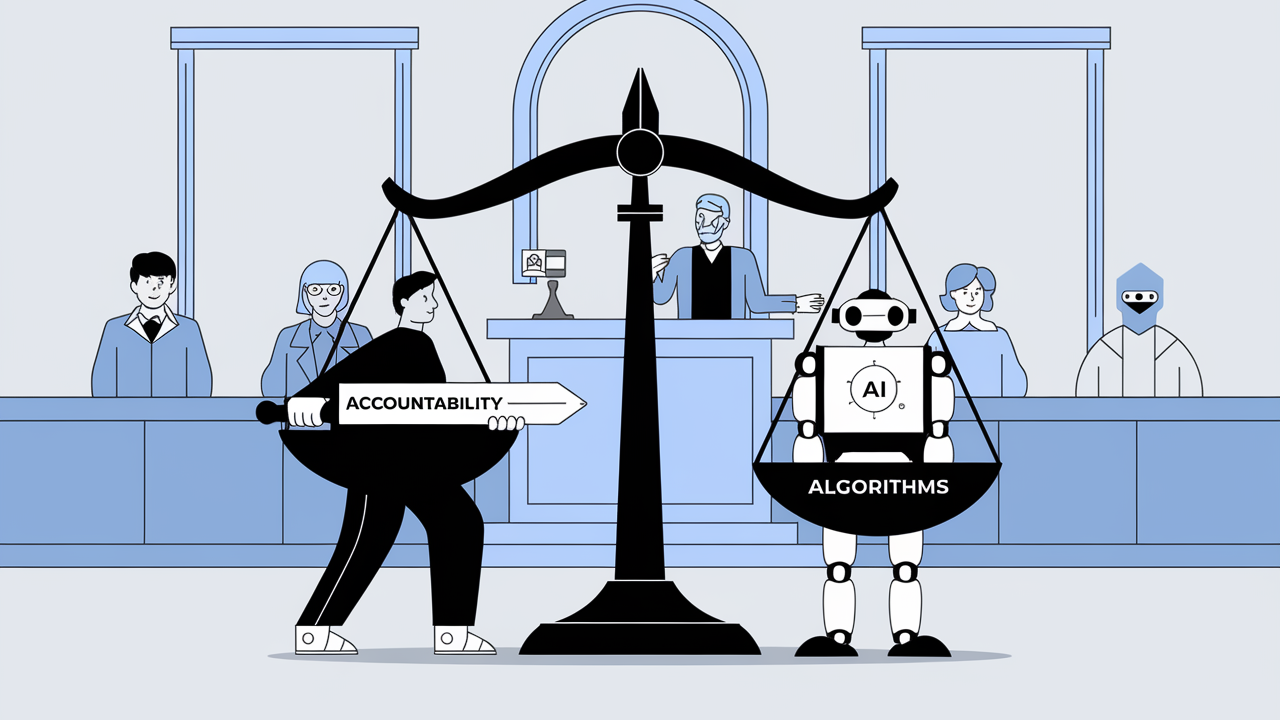


At a time when artificial intelligence (AI) is positioned as marketing’s great liberator, promising efficiency gains and freedom from routine work, the industry is confronting an uncomfortable paradox. AI is reshaping brand operations at unprecedented speed, yet marketers are under increasing pressure to justify its value and, in some cases, their own relevance.
Across boardrooms, expectations around AI-led savings have intensified. Chief executives want proof. Investors want results. Marketing leaders are discovering that experimentation alone is no longer sufficient in an environment that now demands measurable outcomes.
The growing pressure on marketing teams
Recent industry surveys point to a marked shift in executive sentiment. While AI adoption continues to rise, confidence in its immediate financial impact remains fragile. A growing number of chief marketing officers acknowledge that their organisations are considering staff reductions, driven largely by the need to demonstrate cost efficiency linked to AI investments.
The irony is difficult to ignore. Marketing departments were among the earliest adopters of AI tools, from automated media buying to content optimisation and customer analytics. Yet only a small proportion of organisations report that AI is fully embedded across marketing operations. For most, adoption remains fragmented, applied in isolated functions rather than deployed as an integrated system.
This gap between expectation and execution is now fuelling difficult decisions. Traditional roles, particularly those dependent on manual processes or agency-heavy workflows, are increasingly under scrutiny. In their place, brands are prioritising hybrid skill sets that combine creative judgement with data literacy, automation fluency and strategic interpretation.
The signal from the top is becoming unmistakable. AI is no longer a competitive advantage. It is a baseline requirement.
How AI is redefining brand and fashion strategy
While some marketing teams face headwinds, AI’s wider influence across branding and fashion in 2025 presents a more optimistic narrative. For leading consumer brands, artificial intelligence is evolving from a support function into a core strategic pillar.
Fashion and retail companies, in particular, are using AI to reimagine the customer journey. Personalised recommendations, virtual styling tools and predictive demand forecasting are no longer experimental features. They now sit at the centre of efforts to drive conversion, reduce operational waste and deepen customer loyalty.
ALSO WATCH MARKETING EDGE ONTV
Beyond customer-facing innovation, AI is also reshaping leadership structures. The emergence of roles such as Chief AI Officer reflects a new phase in corporate governance, where AI strategy, ethics and integration are treated with the same seriousness as finance or brand stewardship. These appointments acknowledge that AI’s impact extends across marketing, supply chains, design and customer experience.
Creatively, AI is accelerating how brands develop and test ideas. From campaign ideation to visual generation and performance optimisation, intelligent systems are shortening creative cycles and enabling faster responses to cultural shifts. Crucially, the most successful brands are not replacing human creativity, but augmenting it, using AI to sharpen insight rather than dilute authenticity.
A defining moment for marketers
Taken together, these developments suggest that marketing is entering a defining moment. The debate is no longer about whether AI will transform the industry, but about who is equipped to lead within an AI-shaped environment.
For marketers, the challenge is twofold. First, to move beyond surface-level adoption and embed AI meaningfully into strategy and execution. Second, to articulate clearly how AI-driven marketing contributes to business growth, not merely operational efficiency.
Those who succeed will likely gain renewed influence and strategic relevance. Those who cannot may find themselves increasingly exposed in an industry that is rapidly redefining value.
In 2025, AI is not the enemy of marketing. It is a mirror, reflecting both the profession’s strengths and its unresolved weaknesses.




Comment
No comments found.