
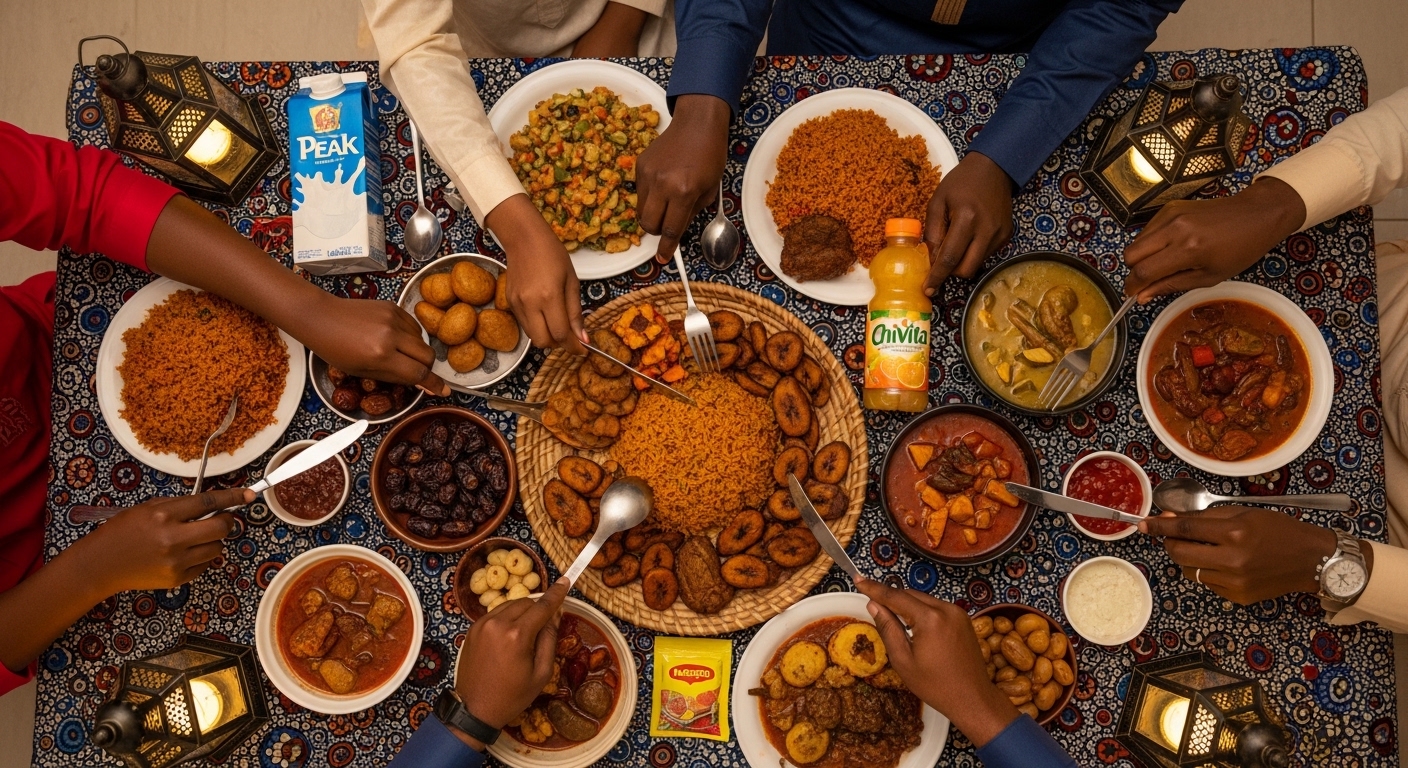


Ramadan ends today, 20th March, 2026, concluding 30 days of the most demanding marketing calendar moment in the Nigerian year. Not because it reaches the largest audience, not because it drives the highest sales, but because Ramadan presents a challenge no other calendar moment requires: maintaining authentic, relevant engagement for an entire month without exhausting goodwill or diluting message.
Most calendar marketing operates on the sprint model. Valentine’s Day arrives, brands post 2-3 days, sales spike briefly, everyone moves on. Mother’s Day gets a week if brands stretch it. Christmas commands December but allows thematic variety across gift-giving, year-end reflection, new year optimism. Ramadan demands singular focus on observance, spirituality, and community for 30 consecutive days while audiences are simultaneously fasting, praying, working, and managing dramatically altered daily routines.
The brands that succeeded in Ramadan 2026 didn’t just show up consistently. They demonstrated sophisticated understanding of content pacing, format variation, platform optimization, and the difference between presence and intrusion. They built engagement strategies that honoured the observance without exploiting it, maintained commercial relevance without appearing mercenary, and created value beyond product promotion.
The strategic lessons from Ramadan 2026 extend far beyond Muslim audiences or religious observance. Any brand planning sustained multi-week campaigns, back-to-school seasons, summer promotions, year-end activations, can learn from how the most successful Ramadan marketers structured 30 days of engagement without fatigue, repetition, or audience abandonment.
The content pacing challenge: Maintaining relevance across 30 days
The fundamental strategic question facing Ramadan marketers is how to remain present throughout the month without annoying audiences or diluting impact. Post daily and risk becoming background noise. Post sporadically and sacrifice top-of-mind awareness during critical purchase moments. The brands that navigated this successfully deployed content calendars structured around Ramada’s natural rhythm rather than arbitrary posting schedules.
Week one typically emphasizes preparation and transition. Audiences are adjusting to fasting schedules, organizing Iftar arrangements, settling into observance routines. Brand content during this period that performed well focused on practical utility, recipe ideas for Sahur and Iftar, time management tips for fasting professionals, product positioning around meal preparation and family gathering. The tone remained welcoming rather than assuming familiarity, acknowledging that not all audiences enter Ramadan with equal experience or confidence.
Weeks two and three represent the sustained observance period where novelty fades and routine deepens. This is where content strategy separates sophisticated from superficial execution. Brands maintaining engagement through this middle period shifted from practical utility toward community building and spiritual reflection, user-generated content featuring customer Iftar tables, family traditions, personal observance stories created participation opportunities beyond passive consumption. Inspirational messaging that honoured Ramadan’s spiritual significance without preaching demonstrated respect for the observance beyond commercial opportunity.
Week four transitions toward Eid preparation, gift-giving, celebration planning, and return to regular routines. Brand content during this period that resonated successfully balanced Ramadan closure with Eid anticipation, offering both reflection on the month’s meaning and practical support for upcoming festivities. Product positioning shifted from daily observance utility toward celebration and gifting contexts.
The brands maintaining engagement across all four weeks without fatigue deployed thematic variety within consistent brand voice. A single message repeated daily for 30 days generates scroll-past indifference regardless of production quality. Varied content serving different audience needs while maintaining thematic coherence around Ramadan creates reasons to engage repeatedly without feeling repetitive.
Format variation: Beyond the daily Ramadan Kareem graphic
Sustained engagement requires format diversity as much as thematic variety. The most successful Ramadan 2026 campaigns deployed multiple content formats across platforms, creating texture that maintained interest through visual and structural variation rather than relying solely on copy changes.
Recipe content performed particularly well for FMCG brands throughout Ramadan. Short video tutorials showing Sahur preparation, Iftar menu ideas, or breaking-fast traditions using brand products delivered practical value while integrating products naturally. The format works because it serves audience needs during a period when meal planning becomes more complex and time-constrained. Recipe videos also generate saves and shares, extending reach beyond initial posting and creating ongoing utility throughout the month.
User-generated content campaigns transformed audiences from passive consumers to active participants. Brands inviting customers to share their Iftar tables, family traditions, or Ramadan moments created community feeling while generating authentic content streams that supplemented brand-created posts. The strategic benefit extends beyond content volume; audiences engage more deeply with campaigns they participate in versus campaigns they simply observe.
Behind-the-scenes content showing brand teams observing Ramadan, preparing for increased production demands, or supporting community initiatives humanized corporate presence during a deeply personal observance period. The format works when executed authentically rather than performatively, demonstrating genuine participation rather than exploiting the moment for marketing advantage.
Carousel posts on Instagram allowed brands to deliver more substantial content without overwhelming feeds. Multi-slide posts exploring Ramadan traditions, sharing extended recipes, or telling stories across several images provided depth that single-image posts can’t achieve while maintaining scrollable brevity.
Instagram Stories became critical engagement vehicles throughout Ramadan given their ephemeral nature and lower production threshold. Brands posting daily Stories with Iftar countdowns, quick tips, inspirational quotes, or community shoutouts maintained consistent presence without the permanence and polish required for feed posts. The format also enabled real-time engagement during Iftar hours when audiences were most active.
The brands maintaining engagement throughout Ramadan deployed these formats strategically across the month rather than randomly. Recipe content concentrated during weeks one and two when audiences were establishing routines. UGC and community content dominated weeks two and three when participation was highest. Eid preparation and gifting content emerged in week four as focus shifted toward celebration.
Platform optimization: Meeting audiences where attention lives
Ramadan 2026 demonstrated that sustained engagement requires platform-specific strategies rather than cross-posting identical content everywhere. The brands achieving strong performance throughout the month recognized that Instagram, Facebook, Twitter, and WhatsApp serve different functions for Nigerian Muslim audiences during Ramadan, requiring tailored approaches.
Instagram served dual functions as both inspiration platform and community space. High-quality imagery of Iftar spreads, beautifully styled product shots, and aesthetically pleasing Ramadan visuals performed well in feed posts. Instagram Stories enabled daily touchpoints through countdowns, polls, questions, and quick tips. Instagram Reels allowed brands to participate in trending Ramadan content formats while maintaining brand voice.
Facebook’s strength during Ramadan lay in community building and longer-form content. Brands creating Facebook Groups around Ramadan recipes, parenting during fasting, or professional Muslims balancing work and observance built owned communities that extended engagement beyond individual posts. Facebook’s older demographic in Nigeria also meant the platform reached family decision-makers and household managers, critical audiences for FMCG and food brands during Ramadan’s intensified cooking and meal planning.
Twitter enabled real-time conversation and cultural participation. Brands joining Ramadan-related trending topics, responding to customer service inquiries during unusual Iftar hours, and participating in community conversations demonstrated responsiveness and cultural fluency beyond scheduled content posting.
WhatsApp became increasingly important for direct customer engagement during Ramadan 2026. Brands offering WhatsApp-based recipe sharing, Iftar reminders, or exclusive promotions created intimate touchpoints that felt personal rather than broadcast. The platform’s ubiquity in Nigeria and its association with close relationships made it effective for building brand affinity during a period emphasizing family and community.
The brands succeeding across platforms deployed content appropriate to each rather than treating all platforms identically. Recipe videos performed well on Instagram and Facebook but not Twitter. Real-time conversation thrived on Twitter but felt forced on Instagram. Community building worked on Facebook and WhatsApp but not Instagram Stories.
Community building: From audience to participants
The brands generating strongest engagement throughout Ramadan 2026 recognized that 30 days of broadcasting messages eventually exhausts audience attention. Sustained engagement requires transforming passive audiences into active community participants who feel ownership over the brand’s Ramadan presence rather than merely consuming it.
User-generated content campaigns asking audiences to share their Iftar tables using branded hashtags created participation opportunities that generated authentic content while building community connection. The most successful implementations provided clear participation frameworks, specific hashtags, simple submission processes, recognition for contributions, rather than vague invitations to “share your Ramadan.”
Brands hosting virtual Iftar gatherings via Instagram Live or Facebook Live created real-time community experiences that honoured Ramadan’s communal nature while accommodating the reality that many Nigerians break fast in dispersed locations rather than large gatherings. These live events required minimal production investment while generating strong engagement through real-time interaction.
Recipe exchanges where brands shared customer recipes alongside brand-created content democratized authority and acknowledged that culinary expertise exists throughout the community, not just in corporate test kitchens. This approach built goodwill by elevating customer contributions while still maintaining brand presence.
Charitable initiatives tying brand activity to Ramadan giving, donations to feeding programs, support for community Iftar events, contributions to social causes, aligned commercial presence with the month’s spiritual emphasis on charity and service. The most authentic implementations connected giving to brand sales or engagement in transparent ways rather than appearing performative.
The strategic shift from broadcasting to community building created sustainable engagement because audiences invest more attention in conversations they participate in versus messages they simply receive. For brands planning any sustained campaign period, this lesson applies universally, 30 days of talking at audiences exhausts attention, but 30 days of conversing with participants builds lasting connection.
The economics of sustained engagement: Does 30 days justify the investment?
Ramadan campaigns require significantly more resources than one-day calendar moments. Content production for 30 days costs more than content for 3 days. Community management throughout the month demands staffing and responsiveness beyond isolated activations. Platform advertising across four weeks exceeds the budget of concentrated short-term campaigns.
The return on this investment manifests differently than sprint campaigns. Valentine’s Day or Mother’s Day generate concentrated sales spikes during brief windows. Ramadan builds sustained awareness and consideration throughout the month, with sales distributed across 30 days of altered consumption patterns plus post-Eid celebration purchasing.
For FMCG brands, Ramadan represents genuine revenue opportunity beyond marketing presence. Food consumption patterns change dramatically during fasting, Sahur and Iftar meals require different products and quantities than regular daily eating. Brands positioning products as Ramadan staples can capture meaningful sales volume across the month. The marketing investment supports commercial objectives rather than merely building brand sentiment.
For brands where Ramadan doesn’t drive direct sales increases, banks, telcos, non-food retailers, the sustained engagement serves brand building and community relationship purposes. The month provides extended opportunity to demonstrate cultural fluency, values alignment, and community commitment beyond transactional marketing. The return on investment measures in brand perception and customer loyalty rather than immediate sales lift.
The brands justifying Ramadan investment most successfully are those aligning campaign objectives with realistic expectations. If the goal is concentrated sales spike, 30 days of sustained engagement may not optimize return. If the goal is building Muslim customer loyalty, demonstrating cultural respect, and establishing brand presence during a significant observance period, Ramadan’s extended timeline creates opportunities that brief campaigns cannot match.
Strategic lessons for any sustained campaign period
The principles driving successful Ramadan engagement apply to any extended marketing period. Back-to-school campaigns running August through September face similar sustained engagement challenges. Summer promotions extending across months require comparable content pacing strategies. Year-end activations from Black Friday through New Year demand equivalent format variation and community building.
First, structure content calendars around natural rhythms rather than arbitrary posting schedules. Audiences experience extended periods with varying needs, attention levels, and engagement capacity across the timeline. Content strategy should reflect these shifts rather than maintaining uniform approach throughout.
Second, deploy format variation to maintain visual and structural interest beyond thematic changes. Even compelling messages become ignorable when presented identically across 30 days. Varied formats create texture that sustains attention through novelty while maintaining thematic coherence.
Third, optimize platform strategy based on where audiences spend attention during the specific period. Platform usage patterns shift during observance periods, holidays, seasonal changes. Meet audiences where they actually are rather than where they typically spend time.
Fourth, build community participation rather than relying purely on broadcast messaging. Sustained engagement requires active audience involvement that creates investment beyond passive consumption.
Fifth, align investment with realistic objectives and measurement frameworks appropriate to extended timelines. ROI from sustained engagement manifests differently than sprint campaigns and should be evaluated accordingly.
What Ramadan 2026 means for Nigerian calendar marketing evolution
Ramadan 2026 demonstrated that Nigerian brands are increasingly sophisticated in handling sustained engagement challenges. The most successful campaigns showed strategic maturity in content planning, format execution, platform optimization, and community building that extends beyond Ramadan into broader marketing capability.
As Nigerian audiences become more digitally savvy and platform-experienced, tolerance for lazy calendar marketing continues declining. Generic one-day posts generate declining engagement while sophisticated sustained campaigns build meaningful brand relationships. The investment required to execute well increases, but so does the competitive advantage for brands willing to commit resources to quality execution.
Ramadan’s 30-day structure forced brands to develop capabilities valuable far beyond this single observance period. Content calendaring, format variation, community management, platform optimization, these skills transfer to any extended marketing period. The brands building these capabilities through Ramadan emerge stronger for all calendar marketing, not just religious observance.
The future of Nigerian calendar marketing likely involves more sustained engagement periods and fewer isolated one-day activations. As audiences expect more sophisticated brand participation in cultural moments, the bar continues rising for what constitutes acceptable execution. Ramadan 2026 raised that bar significantly, demonstrating what becomes possible when brands commit to genuine, sustained, strategically planned engagement rather than showing up briefly for commercial advantage.
ALSO WATCH:MARKETING EDGE ONTV



Comment
No comments found.