
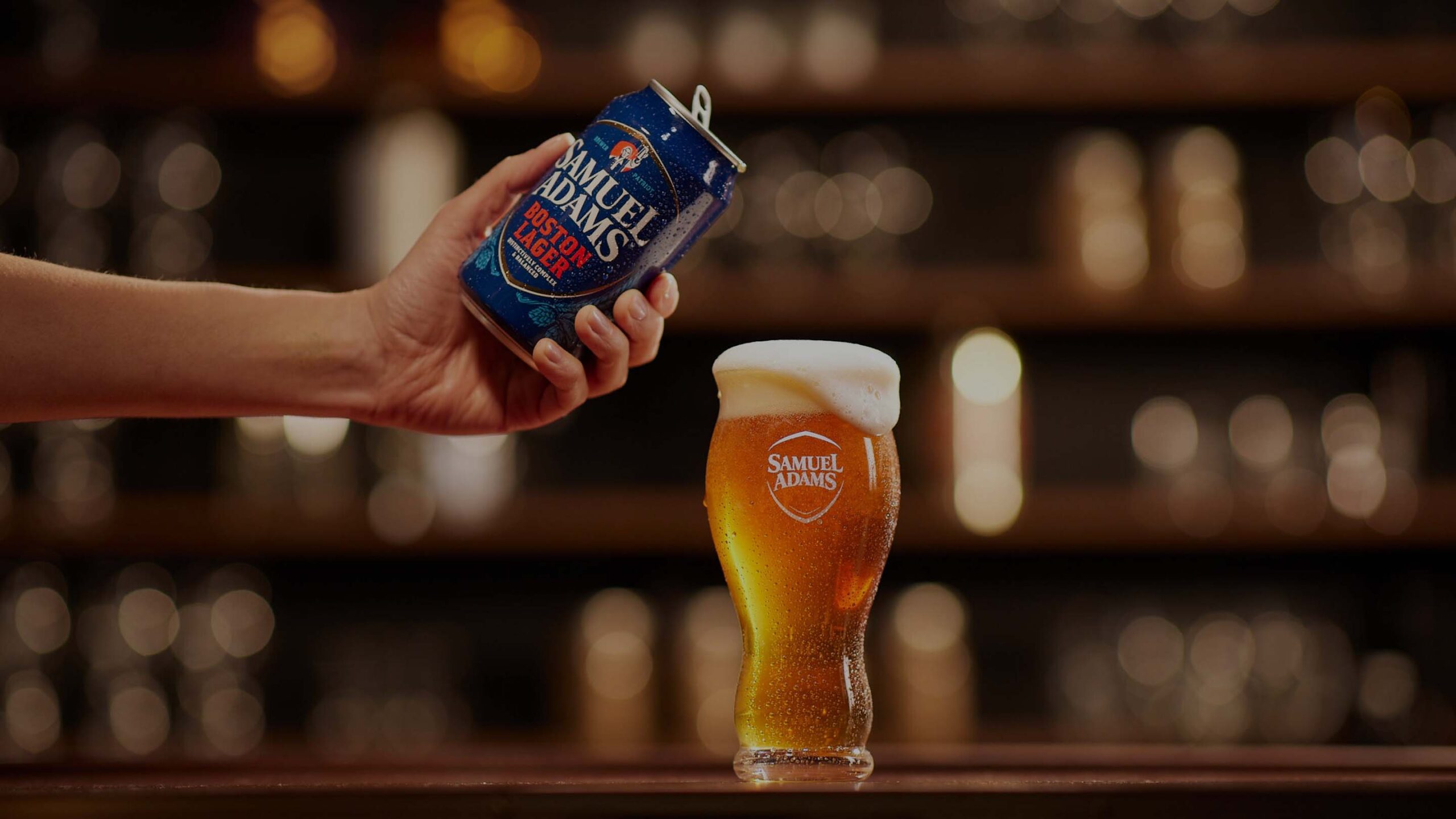


Boston Beer Company’s chief marketing officer, Lesya Lysyj, will be leaving after seven years at the helm of brands that have struggled to regain momentum in a rapidly shifting beverage market.
Lysyj will step down on 6 March, though she’ll stick around as an adviser through September. The company filed the paperwork with the SEC last week, detailing a separation agreement that includes 13 weeks of severance, her 2025 bonus, and up to $45,000 for training and legal fees.
The departure comes at a tough moment for the maker of Samuel Adams and Truly. Revenue dropped 11.2% to $537.5 million in the third quarter of 2025, with depletions (how much distributors are pulling from warehouses) down 3%. Volume has been declining for quarters now, down 5% in Q2 alone.
The real problem is hard seltzer. The category that exploded during the pandemic has crashed hard, falling 7% as drinkers moved to premium spirits-based ready-to-drink cocktails. Truly, once Boston Beer’s golden child, it is still top two in the category, but that’s not saying much when the whole category is shrinking.
ALSO WATCH MARKETING EDGE ONTV
Lysyj joined Boston Beer in 2019 from Welch’s, bringing serious credentials. She had been CMO at Heineken USA, president of Weight Watchers, and held marketing roles at Kraft. She took over marketing just as Truly was taking off, rode the hard seltzer wave to its peak, then watched it collapse. Now she’s out, and the company hasn’t named a replacement. Marketing responsibilities shift to what they’re calling an ‘interim structure’ whilst they figure out what’s next.
Boston Beer is caught in a bind. Overall, beer consumption is down. Hard seltzer is down. They’re dealing with $20-30 million in tariff costs. The volume numbers keep getting worse. They’ve tried launching new products like Sun Cruiser and Hard Mountain Dew, but nothing’s moved the needle yet. The company raised its gross margin guidance to 47-48% through cost-cutting and brewery efficiencies, which sounds good until you realise they’re making better margins on fewer sales. It’s the classic defensive move when growth dries up.
Boston Beer needs to find growth somewhere. The premium spirits-based RTD category is hot, but they’re late to that party. Competitors who moved faster are already established. For Lysyj, seven years is a solid run, especially given the volatility she navigated. But when a company is bleeding volume and searching for direction, the CMO is usually on borrowed time.
The real question is whether whoever comes next can reverse the slide or if Boston Beer’s best days are behind it. Right now, the numbers aren’t promising.



Comment
No comments found.