
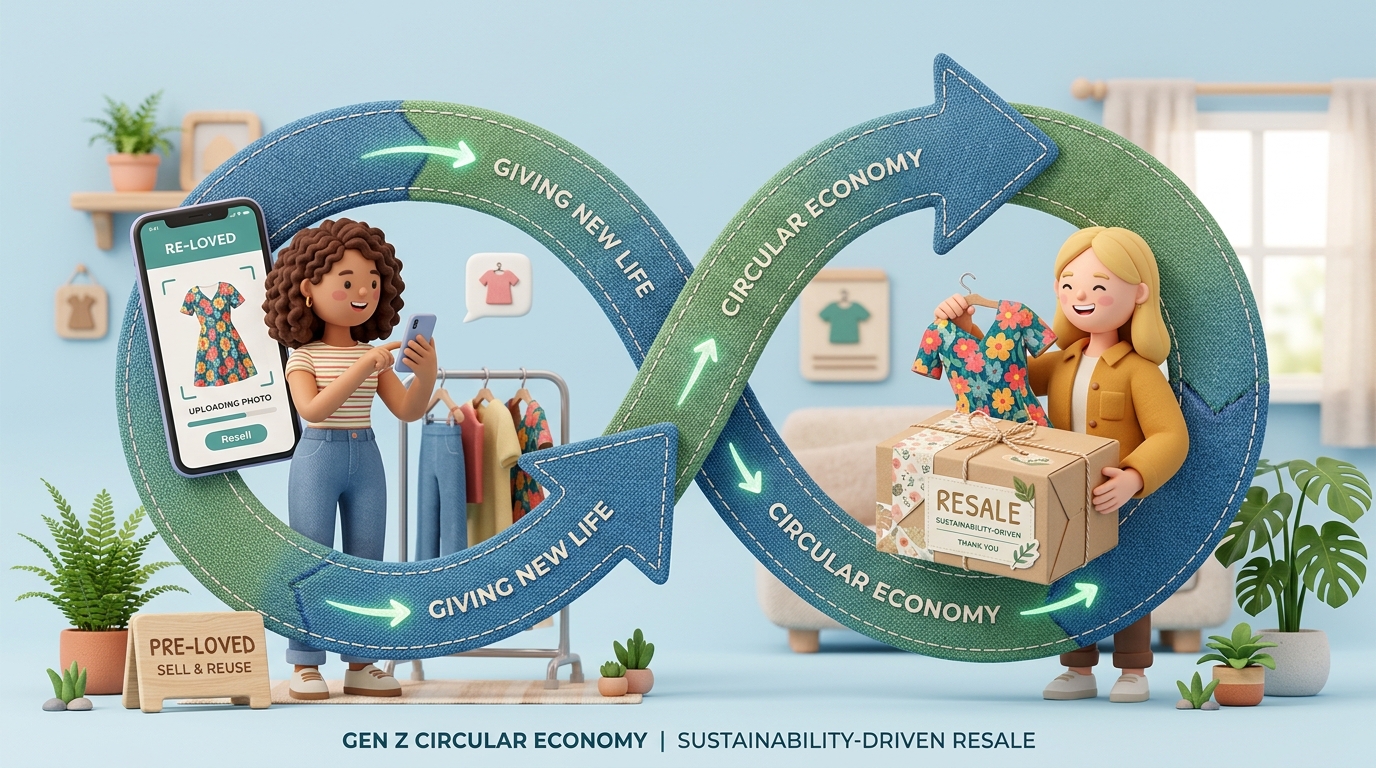




Soaring living costs are pushing Nigerians across income brackets towards second-hand goods as new product prices move beyond household budgets. The shift cuts across vehicles, clothing and smartphones, with only 2 per cent of the population able to afford new cars in 2024, while inflation and naira depreciation widen the affordability gap between brand-new and pre-owned items.
The used car market illustrates the scale of this transition. Nigeria’s second-hand vehicle market reached $1.27 billion in 2026, with the Federal Road Safety Corps reporting that over 230,000 used cars entered the country in 2022 alone. Platforms including Autochek, Cars45 and Betacar now deploy digital inspection tools, bundled financing and verified histories, reducing the information asymmetry that previously discouraged buyers.
The economic driver is straightforward. When a persistent gap exists between new car prices and household purchasing power, compounded by inflation above 30 per cent, high interest rates and currency depreciation, pre-owned vehicles become a necessity rather than a preference. The difference between aspiration and mobility becomes a willingness to accept someone else’s depreciation.
The clothing market reflects a similar pattern. Nigeria’s second-hand apparel sector continues to grow, driven by economic pressure and a generational shift in perception. The United Nations estimates that 80 per cent of Africans wear second-hand clothing, while the Central Bank of Nigeria restricted textile importers from accessing official foreign exchange in an attempt to protect local manufacturers struggling against Okrika competition.
However, Gen Z is reframing the narrative. What older generations viewed as a necessity driven by poverty, younger Nigerians increasingly position as a sustainability choice and value hunt. Platforms like FRU Girls, an Instagram-based resale community, are building circular supply chains where users resell unworn garments, reducing reliance on traditional import channels.
The smartphone segment completes the pattern. Used devices typically cost 30 to 50 per cent less than new models, making them attractive to consumers who want to maintain connectivity without exceeding tight budgets. E-commerce platforms and trade-in programmes have reduced friction in what were once informal, peer-to-peer transactions.
For Nigerian brands, the growth of the pre-owned market signals a structural shift requiring strategic response. When most of the target market cannot afford new products, regardless of marketing quality, brands face a choice: ignore the second-hand economy or participate in it. Certified pre-owned programmes offer a way to capture value across the product lifecycle while maintaining quality control and brand standards.
The implication extends beyond individual categories. When economic conditions push consumers towards pre-owned options across vehicles, clothing and electronics simultaneously, it shows that affordability now outweighs brand loyalty, product preference and social signalling. Nigerians still want new products. Current realities simply mean they will accept pre-owned alternatives while waiting for conditions to improve enough to justify the premium new goods demand.
ALSO WATCH:MARKETING EDGE ONTV



Comment
No comments found.