
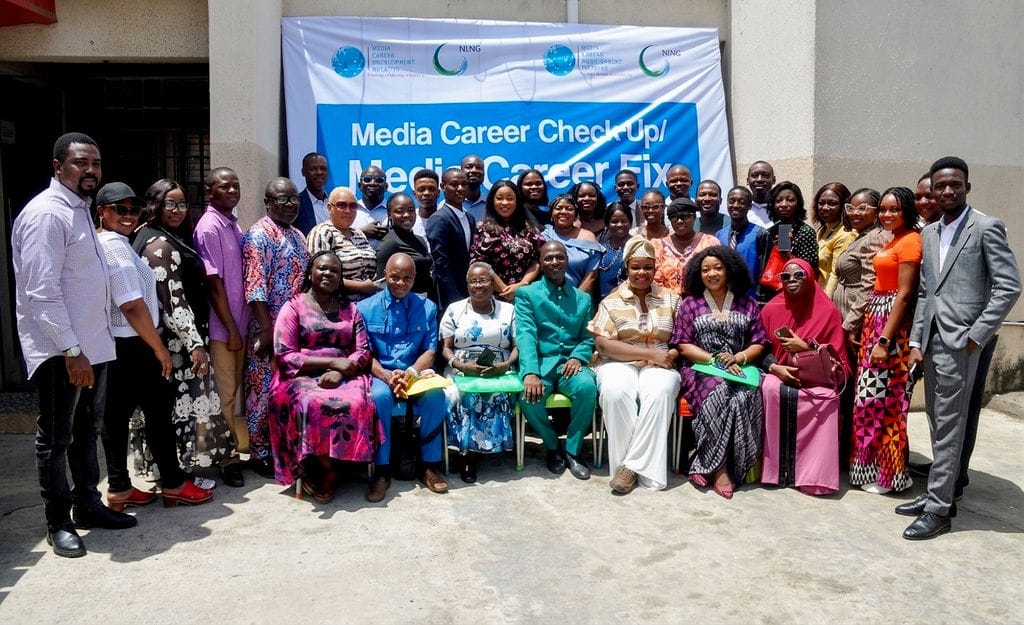


Nigeria’s journalism workforce is receiving a fresh push toward stronger professional development as the Media Career Development Network launched the Media Career Fix initiative with strategic backing from Nigeria LNG Limited, opening new pathways for more than 150 journalists across the country to strengthen their careers.
At the official unveiling in Lagos, the Executive Director of the Media Career Development Network, Lekan Otufodunrin, explained that the programme moves beyond general training. Instead, it begins with a careful assessment of each participant’s career journey. From there, the organisers are providing tailored guidance, targeted learning sessions, structured mentoring opportunities, coaching support, and access to practical tools that help journalists reposition themselves for growth.
Importantly, the initiative took shape after the Network carried out a nationwide survey to understand the real barriers slowing career progress in the newsroom ecosystem. The findings revealed that many journalists still struggle with limited mentorship access, weak career planning structures, restricted data resources, insufficient training exposure, and gaps in digital capacity.
In addition, respondents highlighted safety concerns, ethical pressures, institutional limitations, poor remuneration, and unstable income conditions as major issues shaping their professional experiences. Because these concerns appeared widespread and urgent, the organisers expanded the programme’s scope. Rather than supporting only the originally planned 30 participants, the Network decided to accommodate all respondents so that more journalists could benefit directly from the intervention.
ALSO WATCH:MARKETING EDGE ONTV
Through the programme, beneficiaries are now receiving clearer career direction, stronger professional structure, and wider access to opportunities that support long term relevance in a rapidly changing media environment. They are also building competence in digital readiness, strengthening their financial awareness, and learning sustainability strategies that help them manage career transitions more confidently.
While acknowledging the importance of collaboration, Lekan Otufodunrin specifically commended Nigeria LNG Limited for supporting the initiative and enabling the programme to reach more journalists than initially planned. He also encouraged participants to take deliberate ownership of their professional journeys and make full use of the opportunities already available through the platform.
Delivering the keynote address titled Fixing You First The Hard Truth About Building a Journalism Career in Nigeria, Omotola Adebanjo, Editor, Gist Nigeria at the BBC World Service, urged journalists to confront personal development gaps directly rather than waiting for institutional change before taking action. She explained that newsroom placement alone does not determine career advancement. Instead, she encouraged practitioners to strengthen their skills, increase their visibility, remain adaptable, and manage their finances responsibly as part of a deliberate growth strategy.
ALSO WATCH:MARKETING EDGE ONTV
At the same time, she stressed that media organisations must actively support talent development. She therefore called on newsroom leaders to invest in training beyond daily output expectations, establish structured mentoring systems, reward innovation, and protect editorial independence so journalists can grow with confidence and purpose.
The launch attracted participants both physically and virtually from across Nigeria, reflecting strong interest in structured career support within the profession. Among notable guests present were Shekinat Lawal; Joke Kujenya; Anikeade Funke Treasure; and Adebisi Adetunji, alongside other media development advocates who reinforced the need for sustained investment in journalism careers across the country.
With Nigeria LNG Limited supporting the rollout, the Media Career Fix initiative now stands as a coordinated effort to strengthen newsroom capacity, expand mentoring access, and help journalists reposition themselves for stronger relevance in today’s evolving media space. ✍



Comment
No comments found.