
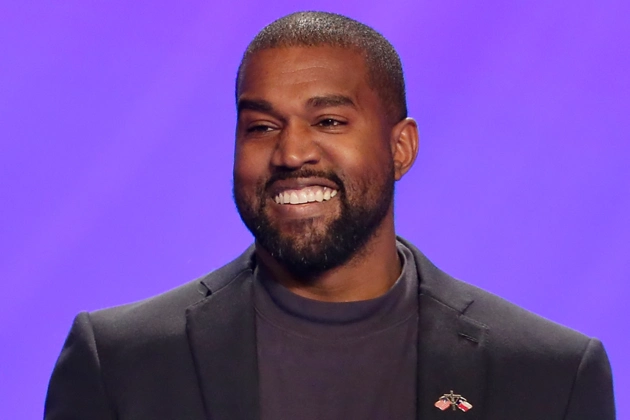


British authorities have denied entry to American rapper Kanye West, a move that quickly triggered the collapse of his planned headline appearances at the Wireless Festival in London and intensified political, corporate, and public debate over the responsibilities tied to major international music platforms.
AFP in its report said officials confirmed that the UK government rejected the artist’s travel request on April 7 after reviewing his application submitted just a day earlier. According to government sources, the Home Office determined that permitting his entry would not be conducive to the public good, effectively preventing him from performing across the festival’s scheduled three-night headline slot in July.
Almost immediately after the decision became public, festival organisers announced they had no choice but to withdraw the planned performances altogether. In a statement shared with audiences online, promoters confirmed that the event’s programme could not proceed as scheduled following the government’s ruling and assured ticket holders that full refunds would be issued automatically, despite tickets having gone on sale only hours earlier.
However, the government’s decision did not emerge suddenly. Instead, pressure had already been building steadily across multiple fronts in the days leading up to the entry refusal. First, major corporate partners began distancing themselves from the event.
Drinks giant Pepsi quietly stepped back from its sponsorship role, while global spirits company Diageo followed soon after, signalling widening concern among commercial stakeholders over the controversy surrounding the headline booking.
At the same time, political leaders began raising questions publicly about whether the invitation should have been issued at all. UK Prime Minister Keir Starmer described the booking as deeply troubling days before the travel decision was finalised and later reinforced his position after the ban took effect, stressing that the government remained firmly committed to confronting antisemitism in all its forms.
“This government stands firmly with the Jewish community,” he said, emphasising that Britain would continue to challenge what he described as the spread of antisemitic rhetoric wherever it appeared.
ALSO WATCH:MARKETING EDGE AWARDS
In the mean time, the controversy surrounding the rapper’s planned performances stemmed largely from his record of inflammatory remarks about Jewish people and his past statements expressing admiration for Nazi dictator Adolf Hitler, comments that drew strong criticism across political and cultural institutions internationally.
Tensions rose further after he released a track titled Heil Hitler in 2025 and previously promoted a swastika-branded shirt on his website actions that prompted widespread condemnation and removal of the song from major streaming platforms.
However, as criticism intensified in Britain ahead of the festival, the artist attempted to ease tensions by offering to meet representatives of the country’s Jewish community.
In a public message published in The Wall Street Journal, he said he hoped to demonstrate personal change and use music as a bridge toward unity and reconciliation rather than division. Despite that outreach, advocacy organisations continued urging officials to intervene.
Among those welcoming the government’s decision was Phil Rosenberg, president of the Board of Deputies of British Jews, who said authorities had ultimately taken the right step, even though he argued that action could have come earlier.
He also urged organisers across the live-events sector to reflect more carefully on the broader implications of headline bookings in an increasingly sensitive social climate.
“Music festivals should be places where all communities feel welcome,” he said, warning that platforms associated with divisive rhetoric risk undermining public confidence in cultural events.
ALSO WATCH:MARKETING EDGE AWARDS
ALSO, ressure surrounding the festival had already been growing at city level weeks earlier. London Mayor Sadiq Khan joined Jewish advocacy groups in expressing concern shortly after organisers first confirmed the headline booking in March, while the Campaign Against Antisemitism urged national authorities to prevent the performances from going ahead, arguing that the situation clearly met the threshold for restricting entry under public-interest rules.
Still, not all political voices supported the ban. Nigel Farage, leader of Reform UK, warned that barring performers from entering the country because of controversial speech could create a difficult precedent for future cultural exchange, even as he described the rapper’s earlier remarks as unacceptable.
Meanwhile, opposition to the European leg of the artist’s comeback tour had already surfaced outside Britain. In the French city of Marseille, local authorities publicly signalled resistance to a planned appearance there as well, highlighting how the debate surrounding the performances had expanded beyond a single venue or country.
SO, the sequence of sponsor withdrawals, political concern, advocacy pressure, and government intervention reshaped what had originally been promoted as a major summer headline attraction into one of the most closely watched cultural controversies of the year.
In the end, the Home Office decision did more than halt a performance schedule; it underscored how questions about public responsibility, artistic expression, and community impact now increasingly shape the future of global live entertainment events.
ALSO WATCH:MARKETING EDGE 2021 QUARTERLY SUMMIT



Comment
No comments found.