
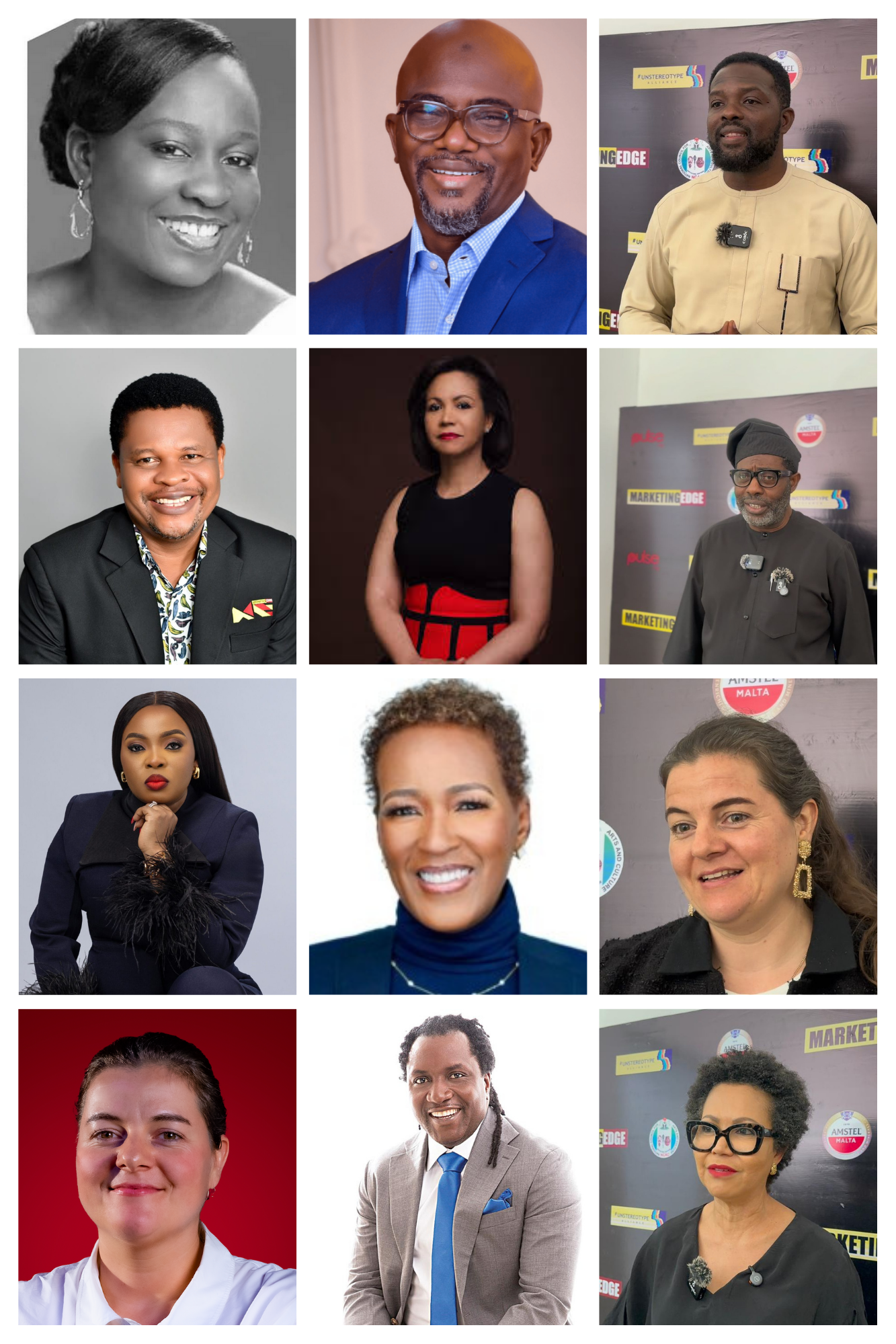


Lagos came alive as the inaugural edition of Through Her Lens, a pioneering initiative by Black At, brought together the brightest minds in creativity from Nigeria and beyond. The room at Alliance Française de Lagos buzzed with energy as industry leaders, storytellers, and visionaries explored the evolving narrative of women in creative leadership, weaving insights into a vivid tapestry of ideas, strategies, and possibilities.
The event opened a window into the power women hold, not only to shape stories but to redefine culture itself. Panels moved fluidly from celebration of achievement to hard truths, from inspiration to practical guidance. Katharina Blum, CEO of Pulse Africa, reflected on Nigeria’s creative landscape, noting that “there is an abundance of talent and creativity in our sector.
What it needs is infrastructure, capital, and initiatives like this, paired with follow-through, to give women opportunities they can seize.” Blum emphasized that while Nigeria remains competitive on the global stage, systemic patriarchy still poses challenges, making mentorship and proactive networking crucial for women to navigate and thrive.
Technology and storytelling took center stage. Bunmi Oke, Lead Consultant at Ladybird Advertising, explained how mobile devices have democratized visual storytelling. “Now, the story is in the palm of your hand. You are the editor, the scriptwriter, the musician, and the producer. Social media has made us our own storytellers, capable of shaping narratives instantly.” She underscored the need for professionalism amidst this democratization, cautioning that the speed and reach of technology should not overshadow fact, strategy, and ethics.
Building on this, Adenike Ogunlesi, Founder and CEO of Ruff ‘n’ Tumble, highlighted women’s unique role as custodians of society’s values. “Women hold the power to reshape narratives, to tell stories that reflect the full human experience. Humanity cannot fly with one wing, both men and women must contribute to solve the challenges we face. Women should show up with character, competence, and capacity, and claim the opportunities they deserve.” Ogunlesi’s words resonated as both rallying cry and strategic advice, emphasizing that storytelling is not just communication, it is legacy building.
The dialogue expanded into visual media and filmmaking. Femi Odugbemi, celebrated filmmaker and storyteller, pointed out how smartphones and AI have transformed creative expression. “Technology has put us at the center of the story. People can now innovate, create, and advocate with unprecedented speed and precision. Access is no longer the challenge; defining culture, representation, and the stories we elevate is.” He called for narratives that empower women, challenge stereotypes, and turn nuanced perspectives into strengths that drive societal change.
From across the Atlantic, Chesley Maddox-Dorsey, CEO of AWMC, joined virtually, sharing experiences of cooperative engagement between men and women in the U.S. creative ecosystem. She stressed that competition need not be divisive; instead, it can foster mutual growth, collaboration, and better outcomes for all stakeholders.
The event also illuminated how digital engagement can shape societal perspectives. Ogunlesi and Oke underscored that storytelling, whether via social media, film, or traditional media, carries immense responsibility. Content shapes culture, and women’s voices must guide it. Social platforms may entertain or misinform, but with strategy, intention, and ethical framing, they can become tools for empowerment, representation, and inclusion.
Moderators Ralph Tathagata, Managing Editor and Divisional Director at MARKETING EDGE Publications Ltd., and Katharina Blum orchestrated discussions that moved seamlessly between reflection and action, allowing speakers to unpack systemic challenges, celebrate female achievements, and envision a creative ecosystem where women not only participate but lead.
Adding to the depth of the conversation, Steve Babaeko, CEO of X3M Ideas, emphasised that leadership and creativity are inseparable, arguing that intentional storytelling drives culture as much as it reflects it. He stressed that brands and creatives must be deliberate about whose stories they amplify and how these narratives shape societal perceptions of women and leadership.
Lanre Adisa, CEO/CCO of Noah’s Ark Communications and Chairman of Heads of Advertising Sectoral Groups (HASG), focused on systemic advocacy, noting that while talent exists abundantly in Nigeria, structural support, policy frameworks, and platforms that deliberately highlight women’s contributions are critical. He called for measurable actions to ensure women are visible and their leadership is recognized, beyond symbolic representation.
Charles Emembalu, co-convenor of Omniverse Africa, highlighted the transformative power of collaboration and inclusivity in creative ecosystems. He explained that fostering networks, mentoring, and resource-sharing are essential for women to thrive, and emphasised that culture itself evolves through the stories that are chosen, produced, and circulated.
Emembalu advocated for intentionality in storytelling to challenge stereotypes, normalize leadership roles for women, and inspire systemic change.
Through Her Lens was not just a conversation but a call to action, demonstrating that women’s voices are indispensable in shaping culture, driving innovation, and redefining leadership.
The event underscored that for Nigeria’s creative sector to reach its full potential, both men and women must leverage their unique perspectives, collaborate intentionally, and commit to storytelling that advances representation, equity, and excellence across the industry.



Comment
No comments found.