
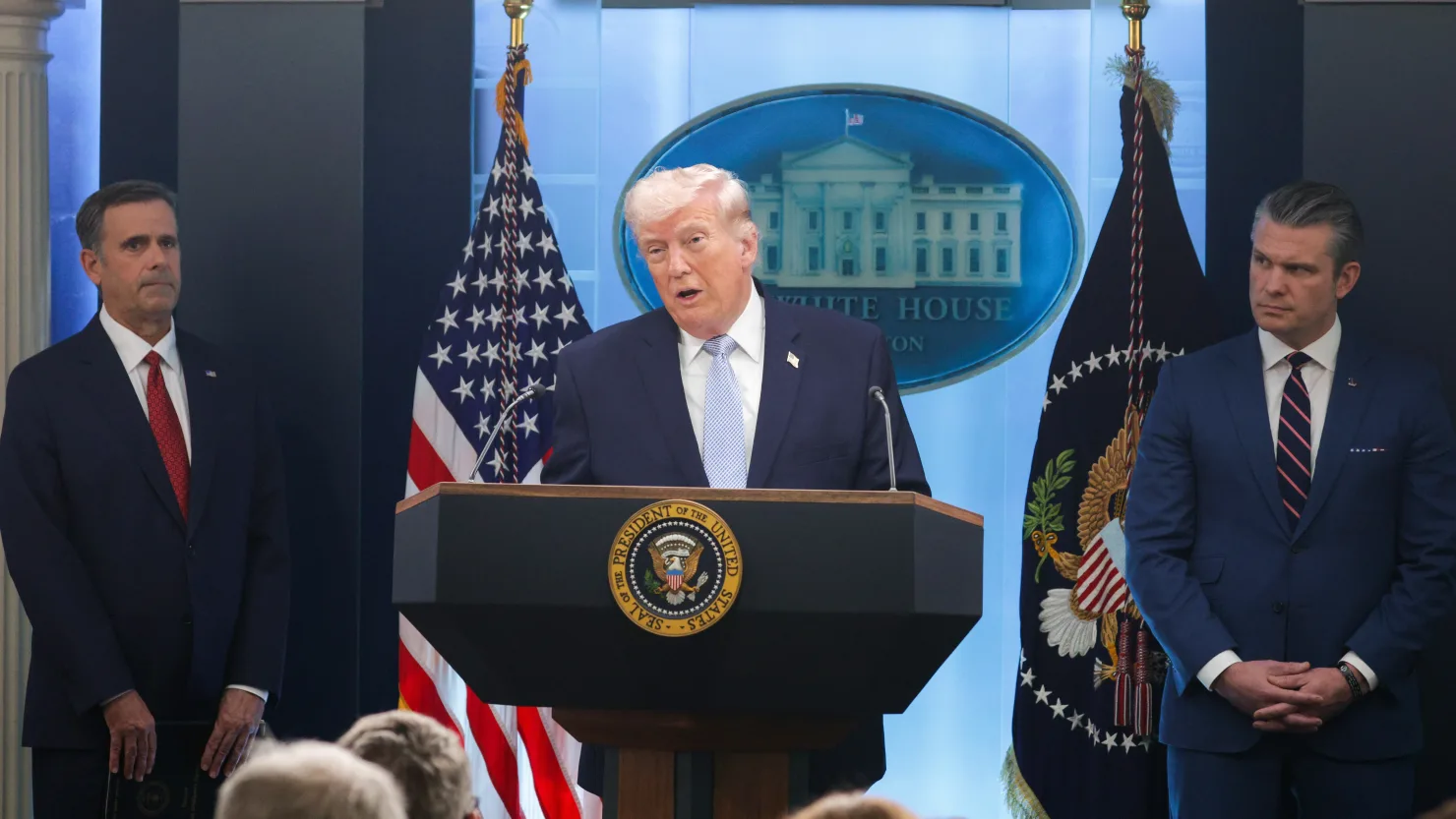


A temporary ceasefire between the United States (U.S.) and Iran has eased tensions in the Middle East, triggering a sharp drop in oil prices and lifting global market sentiment.
The agreement, expected to last about two weeks, hinges on Iran reopening the Strait of Hormuz, a critical shipping route that handles roughly a fifth of global oil supply.
The truce comes after weeks of escalating conflict that disrupted energy flows and pushed oil prices sharply higher. With the ceasefire in place, markets reacted quickly as fears of prolonged supply shortages began to ease.
Brent crude fell below the $100 mark, reversing gains driven by earlier supply concerns, while global equities rallied on renewed investor confidence.
ALSO WATCH MARKETING EDGE ONTV
The Strait of Hormuz had become a central flashpoint in the conflict, with shipping severely disrupted and millions of barrels of oil stranded at sea. The reopening of the route is expected to gradually restore flows, although analysts warn that full normalisation may take time.
Despite the positive market response, the ceasefire remains fragile. Continued tensions and conflicting signals from both sides have raised doubts about how long the agreement will hold.
Energy experts say that while the truce offers short-term relief, structural challenges persist. Damage to infrastructure, high shipping risks, and cautious vessel operators could limit the pace of recovery in global oil supply.
The development highlights the outsized role of the Strait of Hormuz in global energy security, where any disruption can ripple quickly across economies, driving inflation and market volatility.
For now, the ceasefire has calmed markets and reduced immediate fears of escalation. However, analysts caution that without a lasting agreement, uncertainty will continue to shape oil prices and global economic outlook.



Comment
No comments found.