
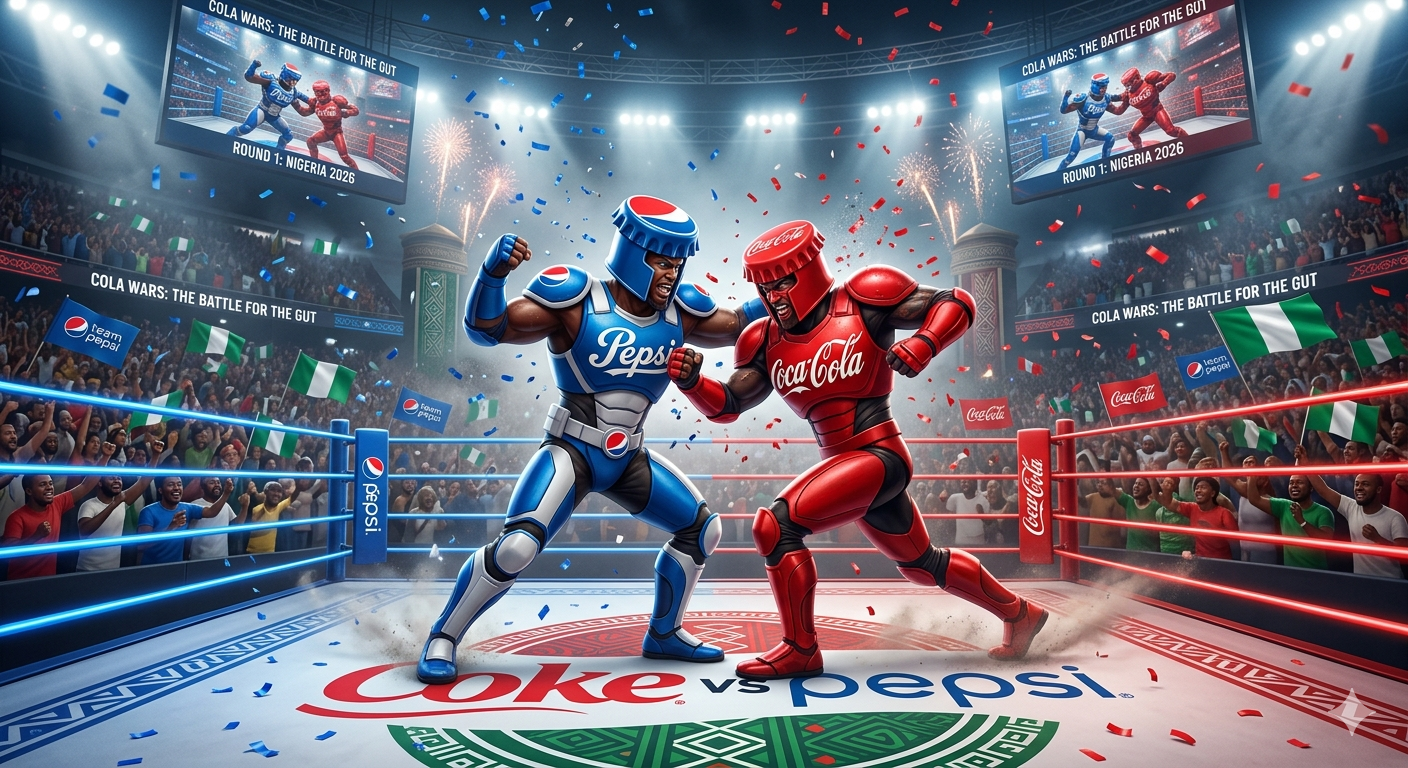


For decades, the Cola Wars were fought on taste. Sweeter. Bolder. More refreshing. The battlefield was the tongue, and the prize was shelf space.
That war is over. The new one is being fought in your digestive system.
Pepsi and Coca-Cola are moving aggressively into functional beverages, drinks engineered not just to refresh, but to do something. Settle your gut. Steady your blood sugar. Support your immune system. The shift sounds subtle. The business implications are anything but.
Why now
Traditional soda has been losing ground for two decades. Consumers did not just reduce their intake; they began actively distrusting the category. Sugar became the villain. Artificial sweeteners followed. The industry responded with reformulations, smaller cans, and zero-calorie editions. None of it reversed the structural decline.
Functional beverages change the conversation entirely. Instead of defending what soda no longer contains, brands can lead with what it now delivers. That is a fundamentally different marketing position, and both giants have clearly recognised it.
Pepsi moved first at scale, acquiring prebiotic soda brand Poppi for $1.95 billion before launching its own prebiotic soda, its first significant cola innovation in roughly 20 years. Coca-Cola answered with Simply Pop, a fruit-forward prebiotic soda built on one of its most trusted prebiotic soda built on one its most trusted sub-brands. These are not experimental plays. They are strategic commitments backed by serious capital.
The numbers behind the move
This is not a niche pivot. The global functional beverage market is projected to grow from $151.8 billion in 2026 to nearly $240 billion by 2031. Within that, prebiotic soda is one of the fastest-moving segments. Prebiotic soda grew 51.2% by positioning gut health within a familiar refreshment occasion, rather than asking consumers to adopt a supplement-style drink. That framing is everything, and it explains why the big two are moving now rather than waiting.
The traditional soda market is worth $40 billion. OLIPOP alone has surpassed $400 million in revenue and describes itself as still in the early innings of market penetration. Pepsi and Coca-Cola looked at those numbers and drew the obvious conclusion.
The consumer has already moved
What makes this moment different from previous attempts at health-positioned drinks is that consumers are arriving informed. Gut health is no longer niche wellness vocabulary; it is mainstream. Prebiotic claims in new beverage launches have increased by over 400% since 2021, driven by their rapid popularisation in soda. Shoppers recognise prebiotics, adaptogens, and nootropics the way a previous generation recognised vitamins. They are not being educated into a new behaviour; they are being met where they already are.
Declining alcohol consumption is accelerating this further. The rise of the sober-curious consumer has created sustained demand for drinks that feel considered and intentional, beverages with a reason to exist beyond hydration. Functional sodas fill that space precisely.
GLP-1 drugs are adding another layer. As more consumers manage appetite and eating patterns through medication, the profile of what they want to drink shifts, lower sugar, higher function, smaller volumes with greater purpose. The functional beverage category is positioned to capture every one of those shifts simultaneously.
What this means for marketers and brands
The functional beverage opportunity is not just a product story. It is a positioning story, and the brands that win will be those that own a specific benefit credibly, not those that stack the most claims on a label.
Poppi built its audience through social-first marketing, influencer authenticity, and a visual identity that looked nothing like a health drink. It felt fun. That is precisely why Pepsi paid nearly two billion dollars for it, not for the recipe, but for the relationship it had built with a consumer who had stopped trusting legacy soda brands.
Innova Market Insights named “Beverages with Purpose” as a top trend for 2026, highlighting the role of drinks in delivering tangible health benefits. Every challenger brand watching from the sidelines should pay attention to that phrasing. Purpose, not ingredients. Narrative, not nutrition labels.
The lesson is functional, not a feature. It is a worldview. Consumers are not buying a prebiotic; they are buying evidence that a brand understands how they live now.
When two of the largest marketing organisations on the planet simultaneously pivot into the same emerging category, it is not a trend. It is a reckoning.
Functional beverages are where the next decade of soft drink innovation, brand equity, and consumer loyalty will be built. The gut has become the new frontier.
And the Cola Wars have never been more interesting.
ALSO WATCH:MARKETING EDGE ONTV



Comment
No comments found.