


Across oceans shaped first by empire and later by enterprise, a different kind of conversation is now rising stronger, clearer, and more urgent between Africa and the United Kingdom.
It is no longer a conversation trapped in memory. Instead, it is steadily becoming a conversation about relevance, opportunity, and shared direction.
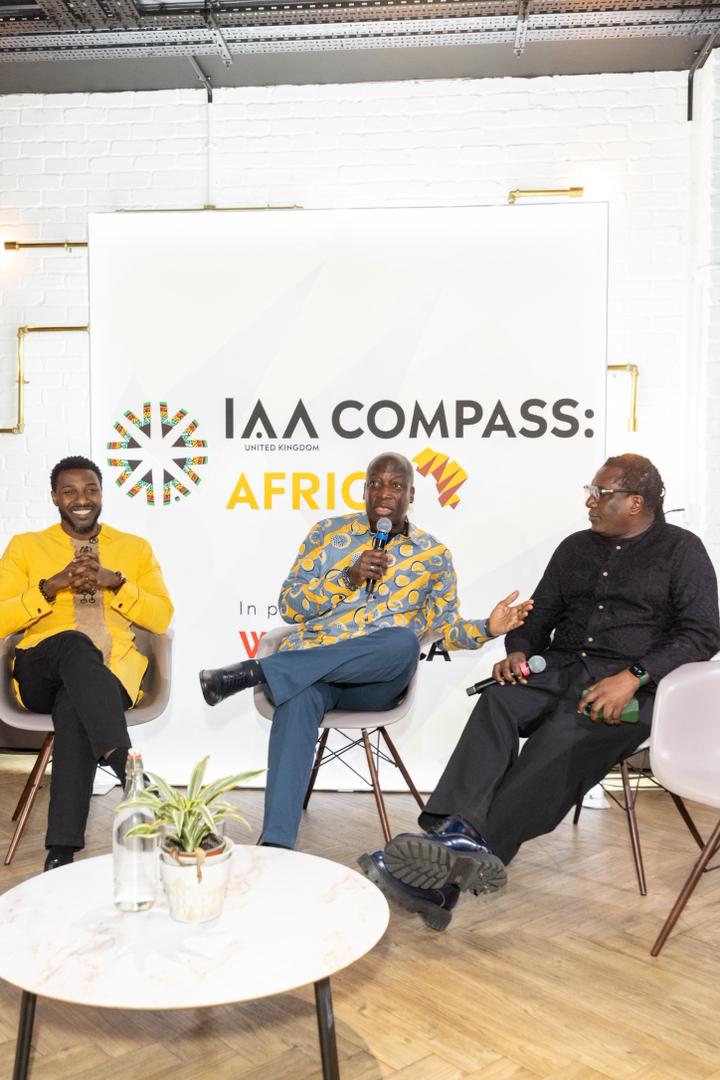
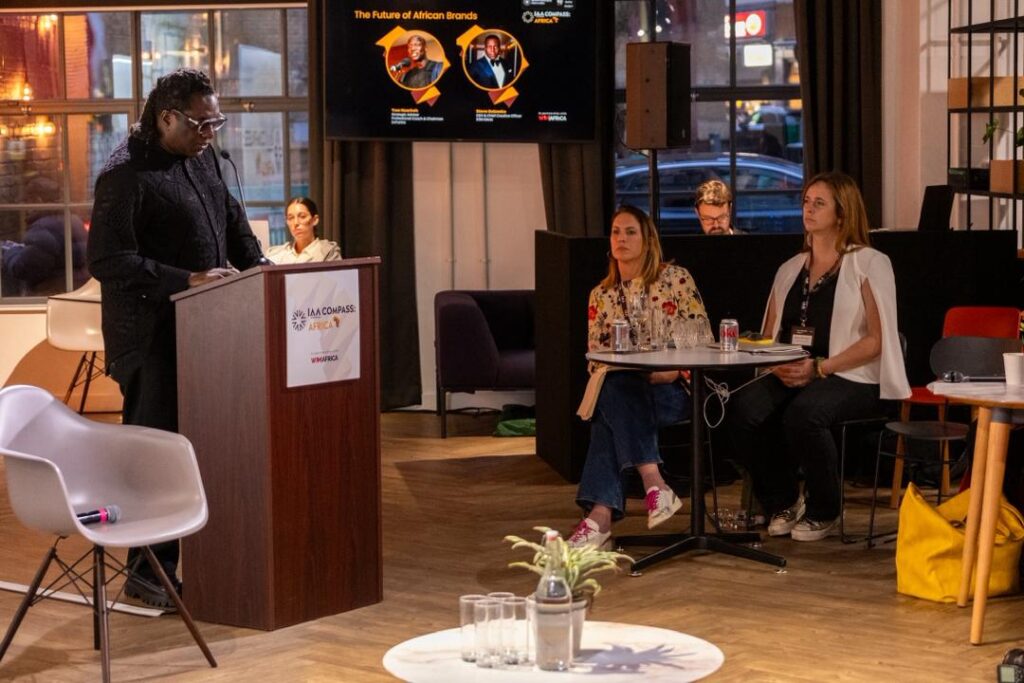
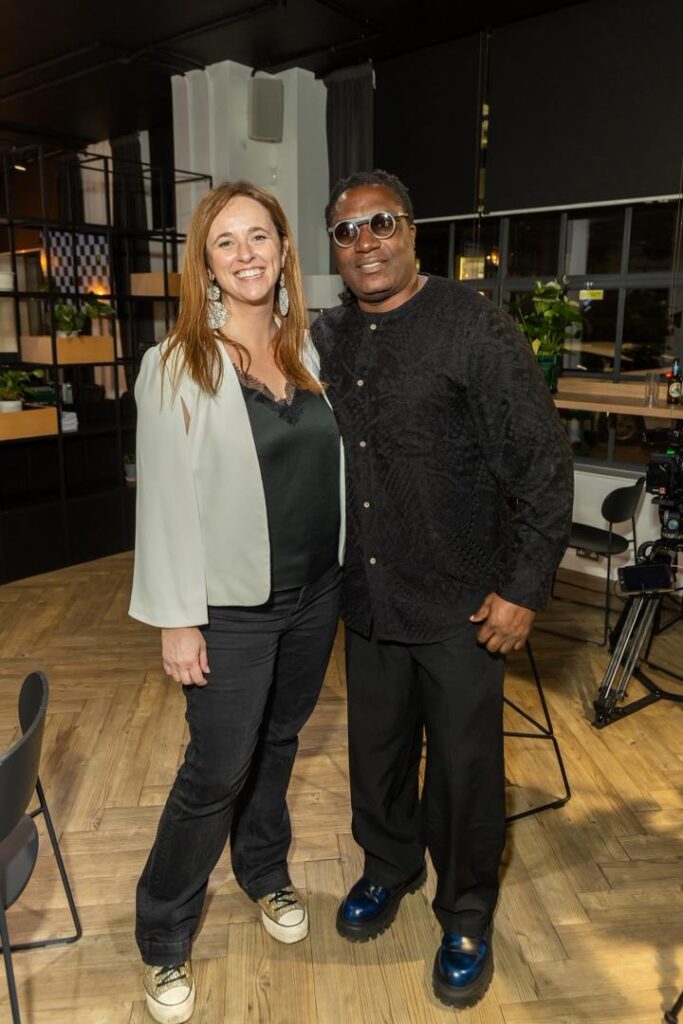
So, it was from this place of conviction that Steve Babaeko spoke deliberately, passionately, and unmistakably from the depth of lived experience when he delivered his address at the just concluded IAA Compass Africa gathering organised by the International Advertising Association in collaboration with its Ghana, South Africa and Nigeria chapters.
This was not a routine speech, rather, a reflection shaped by decades inside the advertising industry itself, years spent building campaigns, shaping brands, navigating markets, confronting disruptions, and helping define Africa’s creative voice across cities such as Lagos, Lusaka, Johannesburg, Brazzaville, Nairobi and Dubai.
Moreso, it carried the weight of someone who has witnessed the evolution of advertising across seasons of progress, uncertainty and transformation, and who spoke with the quiet authority of experience gathered over time.
Importantly, he began by challenging the language that has long framed conversations around the UK and Africa. Too often, he observed, the relationship is still described through old vocabulary such as empire, aid, dependency and legacy.
Yet, according to him, that vocabulary no longer explains the present reality and certainly cannot guide the future. Instead, he insisted that the connection between both regions must now be understood as strategic, mutual and forward looking.
“The UK and Africa connection is not only a matter of history,” he said firmly. “It is a matter of relevance, opportunity, and increasingly, a matter of shared future.”
By repositioning the conversation in this way, Babaeko deliberately shifted attention away from inherited narratives and toward emerging possibilities.
At the same time, he reminded his audience that history still matters not because it should define the relationship permanently, but because it explains how deeply both regions have always been connected commercially and institutionally.
Nigeria’s advertising industry itself offers a powerful example. As he pointed out, the country will soon mark one hundred years of organised advertising practice, a legacy that traces back to the establishment of West African Publicity in 1928 within the wider commercial structures that linked British enterprise with West African trade networks.
That early architecture, he explained, helped shape one of Africa’s most influential creative industries and demonstrated clearly that the UK and Africa were never strangers negotiating from distance but long standing participants in a shared commercial journey.
Even so, Babaeko spoke honestly about the complexity of that history. He acknowledged its difficult dimensions. He recognised its unequal structures.
Yet, rather than dwell on its limitations, he urged both regions to learn from it and move forward with intention. Mature partnerships, he stressed, are not built by ignoring the past but by understanding it properly and then deliberately choosing a better future. Consequently, he called for a decisive shift from history to strategy.
As his remarks gathered momentum, Babaeko turned to culture, arguing that if history explains where the relationship began, culture explains why it continues to matter so deeply today. Few examples captured this better than Afrobeats, which he described as one of Africa’s most powerful cultural exports to the world.
Long before the genre became a global commercial force filling arenas and shaping youth identity worldwide, he explained, the United Kingdom provided early platforms through diaspora communities, club networks and radio ecosystems that helped amplify its reach.
“Culture often goes where policy cannot, it builds familiarity before politics catches up. Culture builds affection before trade agreements are signed.
Through this lens, Afrobeats became more than music. Instead, it became evidence of what genuine partnership already looks like in practice, African creativity working alongside British infrastructure, African storytelling scaling through global systems, and African confidence expanding through international audiences.”
Importantly, he emphasised that this cultural bridge extends far beyond music alone but continues through film, fashion, literature, sport and digital expression, and perhaps most significantly through young Africans in Britain who already live comfortably between identities and markets without waiting for institutions to catch up with their reality.
That bridge, he argued, represents a strategic advantage both regions must learn to convert into deeper collaboration. He affirmed that, however, if culture explains connection, economics explains urgency.
Meanwhile, Babaeko’s message became even more direct, as he insisted that Africa, must no longer be framed as a development conversation. Instead, it must be recognised clearly as a growth conversation shaped by demographics, entrepreneurship and expanding consumer markets.
With a population approaching 1.5 billion people and a median age around nineteen, the continent represents what he described as “the next wave of demand, innovation and global participation.”
Significantly, he pointed to trade figures between the United Kingdom and Nigeria estimated at £8.1 billion in the four quarters to the end of Q3 2025 as evidence that the relationship already carries real economic substance.
Even more telling, he observed that the UK itself is increasingly shifting its language from donor relationships toward investor partnerships across Africa.
“That shift matters, because words reveal mindset and mindset shapes policy.”
For too long, he argued, Africa has been framed as a problem to be managed.The creative expert observed that, framing is now outdated. Instead, he urged that Africa must be understood and engaged as a commercial partner capable of shaping global growth alongside established markets.
At the same time, Babaeko did not ignore the continent’s challenges. He acknowledged infrastructure gaps, policy inconsistencies, currency pressures and energy constraints.
Yet he stressed that investors do not avoid complexity, that, rather, they pursue opportunity within complexity and Africa offers that opportunity in abundance.
Therefore, he challenged both regions to abandon outdated assumptions and adopt a new script for engagement.
“The old script says the UK gives and Africa receives, the new script must say the UK and Africa build together.In practical terms, that shift means investment replacing instruction, trade replacing tokenism, collaboration replacing condescension and institution building replacing short term visibility efforts.
It also means supporting African enterprise, strengthening creative industries and expanding mobility of ideas, talent and capital across borders.”
Equally important, Babaeko placed this evolving relationship within the context of a rapidly changing global order. Supply chains are shifting. Energy alliances are evolving. Technology competition is intensifying.
However, influence itself is being redistributed across regions once overlooked. In such a world, he warned clearly, no serious country can afford to misunderstand Africa and no serious African nation should accept being treated as an afterthought.
As Nigeria approaches the centenary of organised advertising practice in 2028, Babaeko reflected with
quiet conviction on what he described as a powerful moment of symbolism.
“A century ago, commercial links helped shape one of Africa’s most important creative industries. Today, those same connections offer an opportunity to redefine what partnership between Africa and the United Kingdom can truly mean.Not as remnants of empire, but as instruments of mutual growth. Not as charity. But as ambition. The UK and Africa connection matters, because history made it inevitable, culture made it visible, and economics now makes it urgent.”
Then, speaking as someone who has spent a lifetime inside the advertising industry, shaping campaigns, mentoring talent and navigating both the triumphs and the turbulence that define creative enterprise across continents, his message carried more than analysis. It carried experience. It carried memory. Above all, it carried belief in what a truly equal partnership between Africa and the United Kingdom can still become.



Comment
No comments found.