
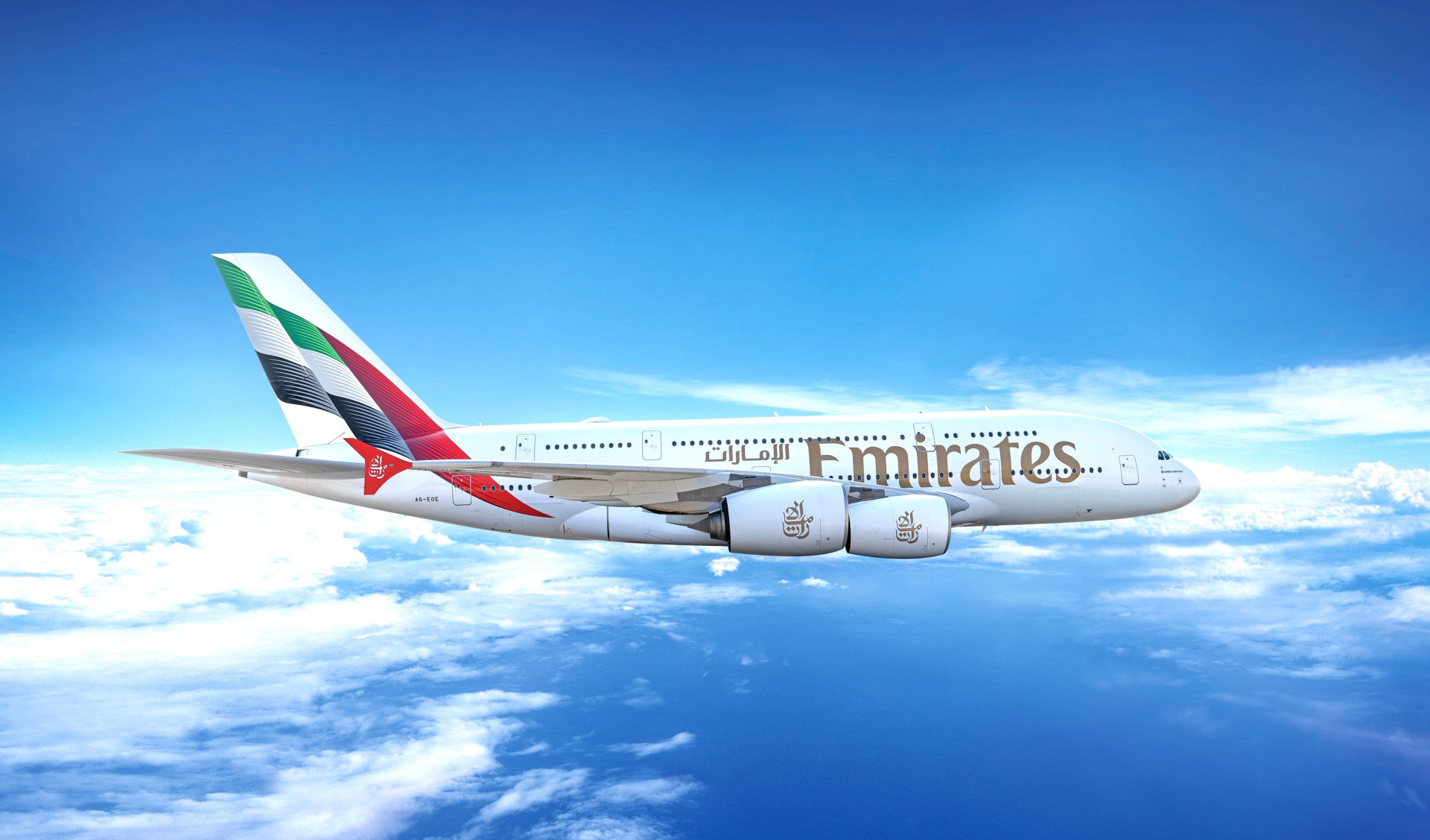


When Emirates returned to Lagos in October 2024 after a two-year suspension, the airline made a strategic choice most international carriers overlook: it didn’t build a localized subsidiary. It didn’t establish independent regional operations. Instead, it partnered with Air Peace.
This wasn’t compromise. It was architecture.
Traditional international airlines entering emerging markets follow predictable playbook: establish local subsidiary, hire local staff, build independent infrastructure, control every customer touchpoint. It’s the decentralized approach, full autonomy, maximum control, direct market access.
Emirates chose differently. The airline adopted hybrid localization: maintain global standards and pricing power whilst leveraging local partners for distribution, ground operations, and regional connectivity. The Air Peace interline agreement expanding Emirates reach to 13 Nigerian cities demonstrates this model perfectly.
Why matters? Because hybrid localization solves problems decentralization creates.
The Control Trap
Decentralized subsidiaries give airlines operational control but create strategic vulnerabilities. When FX crisis hit, local operations face pressure to compromise pricing, cut services, or operate below standards. The subsidiary manager faces impossible choice: violate brand standards or risk financial losses. Most compromise.
Emirates avoided this trap. By maintaining centralized control whilst partnering locally, the airline preserved pricing integrity. Economy fares remain ₦2.8 million return Dubai despite competitor offerings at ₦1.2 million. That premium persists because Emirates refuses operating compromised service at lower prices.
Air Peace handles regional breadth. Emirates maintains premium positioning on international routes. Neither conflicts because neither competes directly.
The Partnership Advantage
Air Peace gets access to Emirates’ global network and premium customers. Emirates gets regional distribution without building subsidiary infrastructure. Both brands strengthen without diluting positioning.
As Paulos Legesse, Emirates Country Manager for Nigeria, articulated: “Our travel agency partners are core to our success and we have built strong and prosperous relationships over the years, driving greater tourism and travel links between Nigeria, the UAE and beyond. As we prepare to restart operations to Lagos, this workshop was essential not just to showcase our world-class product and service to these important partners, but also to hear from the wider industry on the latest services that will suit customer demand, enabling us to better tailor our offering in Nigeria.”
This approach epitomises partnership strategy: listen to local stakeholders, adapt offerings without compromising standards, leverage partners’ strengths whilst maintaining brand control.
More importantly, partnerships distribute risk. When market conditions deteriorate, partners absorb local pressure whilst Emirates’ core brand remains protected. This is why Emirates could withdraw entirely during FX crisis and return stronger, the brand never compromised locally because local operations were never entirely the brand’s responsibility.
The Stakeholder Play
Emirates’ hybrid approach includes active collaboration with Nigerian aviation authorities and government stakeholders. The Nigeria-UAE air services agreement expanded connectivity beyond traditional bilateral arrangements. This isn’t transactional relationship. It’s strategic partnership positioning Emirates as invested in Nigerian aviation infrastructure, not just extracting value.
The cargo operation (300 tonnes weekly) deepens this positioning. Nigerian exporters integrate into Emirates’ global logistics network. Trade flows through Emirates not just as airline but as facilitator. When exporters succeed, Emirates succeeds. Mutual investment replaces transactional relationship.
Why This Model Wins
Most global airlines compete on frequency, price, or schedule. Emirates competes on “strategic architecture.” The airline doesn’t ask “how do we maximize Nigerian routes?” They ask “How does Nigeria strengthen our continental position?”
Hybrid localization answers that question without requiring subsidiary overhead, FX exposure, or operational compromises.
For emerging market strategists, the lesson is clear: control doesn’t require ownership. Positioning doesn’t require independence. Sometimes the smartest play is knowing which battles to delegate and which to defend.
Emirates won Nigeria by refusing to own it entirely. That’s strategy.
ALSO WATCH:MARKETING EDGE ONTV



Comment
No comments found.