
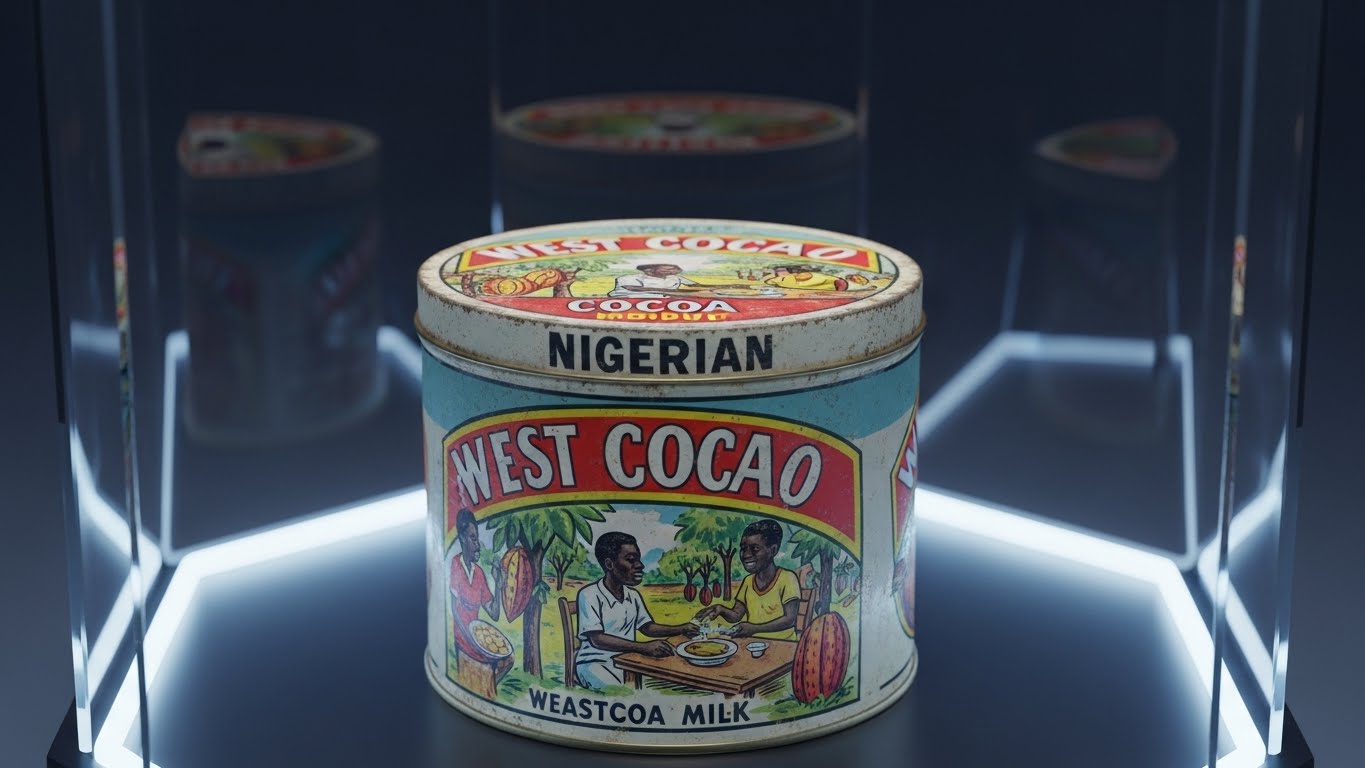


A quiet shift is underway across global markets. While entrepreneurs race to build the next big thing, many large corporations are looking backwards, not out of nostalgia, but for strategic advantage.
Brand owners are rediscovering the power of legacy.
The reasoning is straightforward. In unstable economies, trust grows faster than innovation. Consumers facing inflation, currency pressure and reduced purchasing power show less appetite for experimentation. They prefer brands they recognise, remember and believe in.
Nigeria is no exception.
Familiarity in fragile economies
In markets such as Nigeria, brands are more than business assets. They carry cultural meaning and link to childhood memories, community life and daily routines. When economic pressure rises, these emotional connections matter more, not less.
This is why older brands frequently fare better in downturns than fresh ones. They require less explanation, persuasion, and marketing budget to convert attention into sales.
Globally, conglomerates have taken notice. Companies such as India’s Reliance have begun to acquire and revitalise old brands, recognising that developing trust from scratch is significantly more expensive than reactivating it.
The insight travels nicely.
The Nigerian brand contradiction
Ironically, many Nigerian brands move in the opposite direction. In their pursuit of modernity, they erase the very signals that once made them trustworthy. They change names, logos and identities in ways that disconnect from consumer memory.
As a result, familiarity is lost without relevance gained.
However, when Nigerian brands do rejuvenation right, the results are immediate. Reintroductions based on legacy, design, and cultural continuity frequently outperform bolder rebrands pursuing global aesthetics.
The lesson is not to freeze brands in time, but to grow them while maintaining emotional continuity.
Revival is not regression
Purchasing or renewing an old brand does not imply rejecting development. When done well, it involves modernising distribution, product quality, and storytelling while maintaining the brand’s essential meaning.
It is an approach that values patience over hype and memory over fleeting attention.
In Nigeria’s fast-paced but trust-sensitive market, this strategy may be more durable than constant reinvention.
What this means for Nigerian marketers
As the market grows more competitive and consumers become more discerning, brand memory is once again becoming a strategic advantage. The future may belong to people who are already well-known, believed, and remembered, rather than those who shout the loudest.
For Nigerian brands, the notion of legacy is no longer relevant.
The question is whether they are protecting it or giving it away.
ALSO WATCH MARKETING EDGE ONTV



Comment
No comments found.